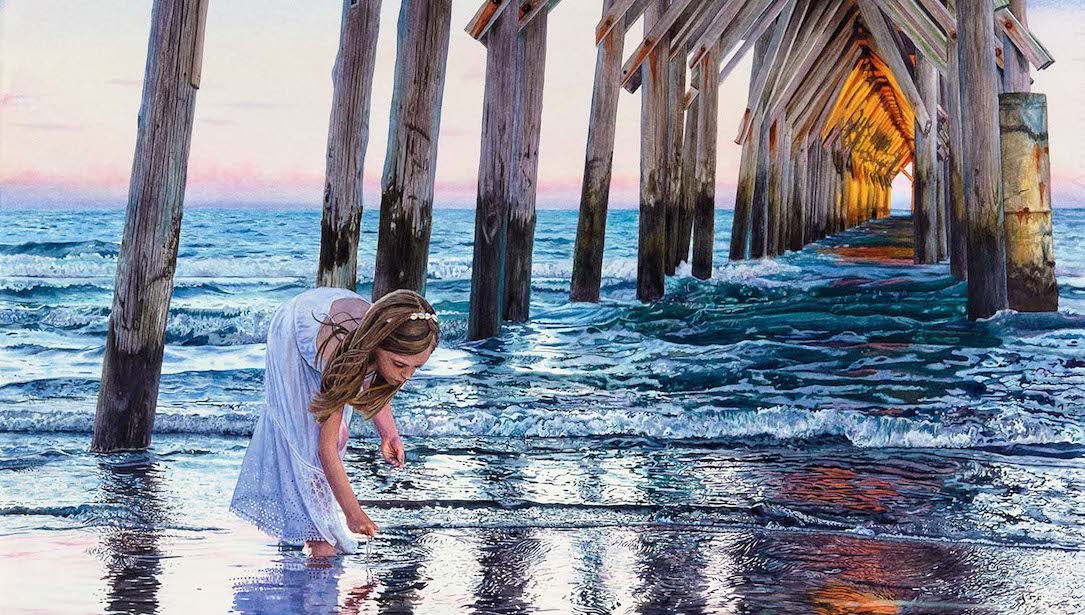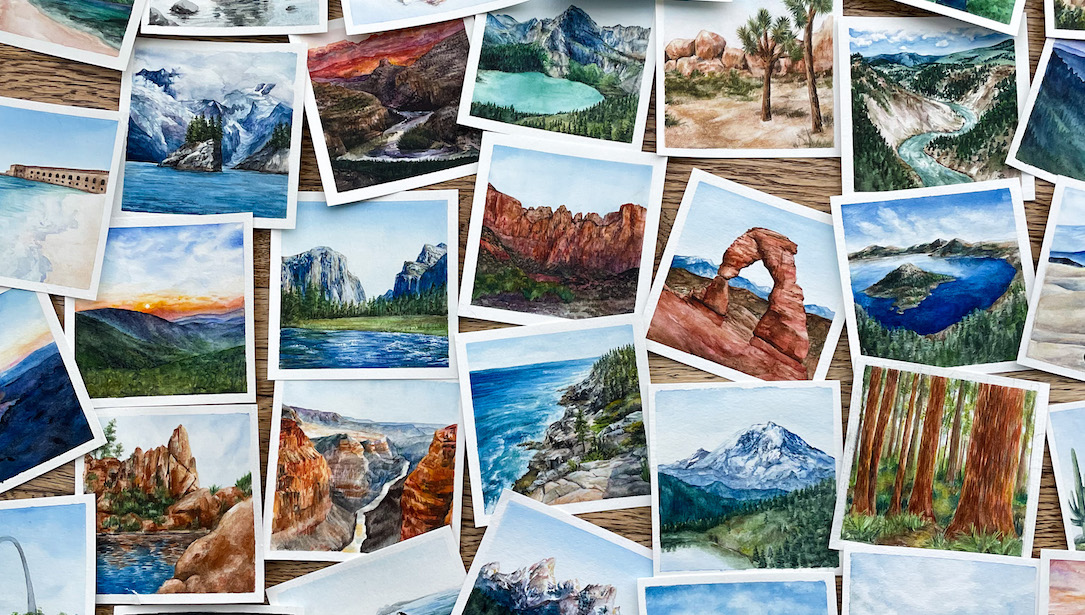














Ian de Hoog Nos cuenta cómo crea sus preciosas acuarelas. Aquí tenéis una breve entrevista con Ian:
¿Por qué haces arte?
Con todas las distracciones del día a día, encuentro que pintar es un proceso relajante y apacible. Que a veces surja algo bello de esos momentos es un regalo adicional.
¿Cuánto tiempo llevas pintando?
Comencé hace unos 10 años con algunas acuarelas por sugerencia de un profesor del programa de arquitectura que cursaba. Ahora soy artista profesional.
¿Recibiste formación artística formal?
No exactamente. Aparte de algunos talleres a lo largo de los años, lo he aprendido a base de cometer errores. Sigo cometiendo errores y sigo intentando entenderlo.
¿Qué te inspira?
La naturaleza, sobre todo, y la luz.
¿Qué tipo de música escuchas mientras pintas?
Escucho de todo, desde música clásica hasta rock alternativo. Depende del momento. Suelo poner podcasts o audiolibros. También tengo la costumbre de ver series en Netflix de fondo mientras pinto.
¿Pintas todos los días?
Pinto o dibujo todos los días.
¿Pintas una pieza a la vez o trabajas en varias simultáneamente?
Depende. Si tengo un encargo, a veces trabajo en varios cuadros a la vez. Normalmente prefiero terminar una obra por completo. A menudo, cuando no estoy segura de si una obra está terminada, la coloco en una repisa a la vista hasta que me doy cuenta de lo que hay que corregir o hasta que la doy por concluida.
¿Primero creas un boceto conceptual?
Para encargos, sin duda. Además, si se trata de un tema nuevo, suelo hacer bocetos y estudios de valores para desarrollar ideas y así comprender mejor lo que voy a hacer al empezar a pintar. Lo que más me atrae de la acuarela es su imprevisibilidad, aquello que no puedo controlar. Para aprovecharla, cuanto menos intento descifrar las cosas mientras pinto, mejor puedo conectar con lo que sucede en el papel.
¿Prefieres pintar en estudio o al aire libre?
Cualquiera de las dos opciones. Pero nada supera la comodidad de trabajar al aire libre en un día soleado. Desafortunadamente, como vivo en una zona propensa a la lluvia, disfrutar del espacio del estudio es fundamental.
¿Cuántos colores básicos utilizas?
Nueve: es una paleta primaria dividida con un amarillo tierra, un naranja tierra y un neutro oscuro: Amarillo Hansa Medio, Gamboge Nuevo, Escarlata Pirrol, Carmesí Alizarina Permanente, Ultramar Francés, Azul Ftalocianina GS, Ocre Francés, Siena Tostada Clara, Tinte Neutro
¿Tubos, sartenes o palitos?
Tubos todo el día. Nunca he probado los palos.
¿Utilizas líquido de enmascarar?
Me encanta la idea, pero me falta paciencia. Si es necesario, usaré un poco de gouache o un bolígrafo de acrílico/gel blanco para retocar el blanco. De lo contrario, intento conservarlo lo mejor posible con el pincel. He descubierto que este método me ayuda a concentrarme en perfeccionar mi técnica, controlar la humedad y apreciar mejor el valor tonal.
¿Cuándo sabes que tu obra está terminada?
En definitiva, cuando ya no queda nada por arreglar, tengo una pequeña repisa justo a la vista de donde pinto. A menudo, cuando una obra está casi terminada o no estoy segura de qué necesita retoques, la coloco en la repisa. A veces permanece allí un par de horas, a veces días o semanas. Finalmente, o descubro qué se necesita o acepto el resultado.
••••••••••
Únete a nosotros en línea cada semana para una conversación cercana y personal con John Cogley, CEO y propietario de Daniel Smith, y artistas invitados de todo el mundo. Los jueves (14:00, hora del Pacífico), John destaca las características de nuestros productos y responde a tus preguntas. Los viernes (10:30, hora del Pacífico), un artista invitado comparte cómo incorpora esas características en su obra. Haz clic aquí para ver los enlaces de Zoom de la próxima semana..
Consulte nuestra Facebook página para noticias sobre próximos artistas invitados o para ver repeticiones pasadas. Cada reunión de Zoom también se graba y se comparte en nuestra canal de YouTube. La traducción al español está disponible – selecciona el canal en español en Zoom.