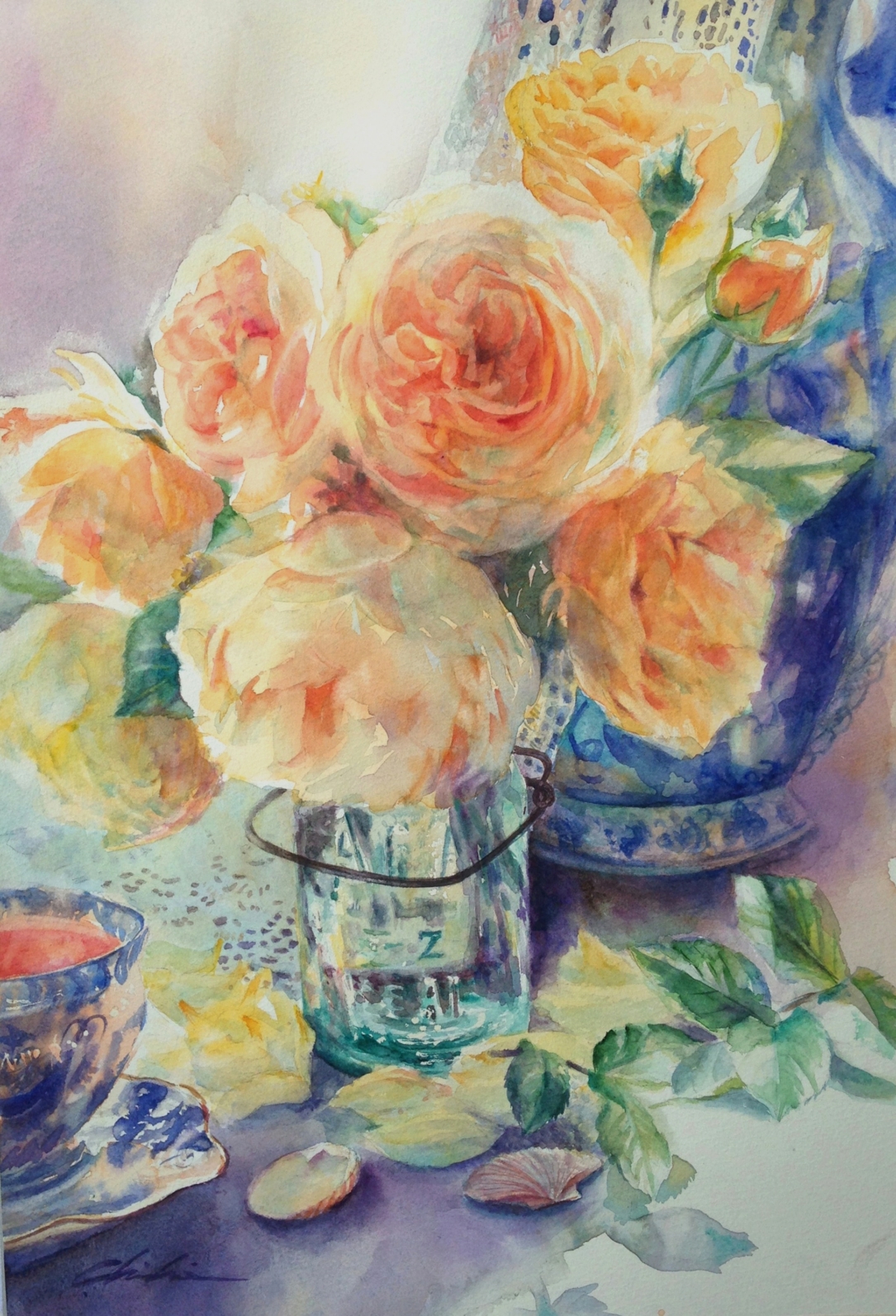












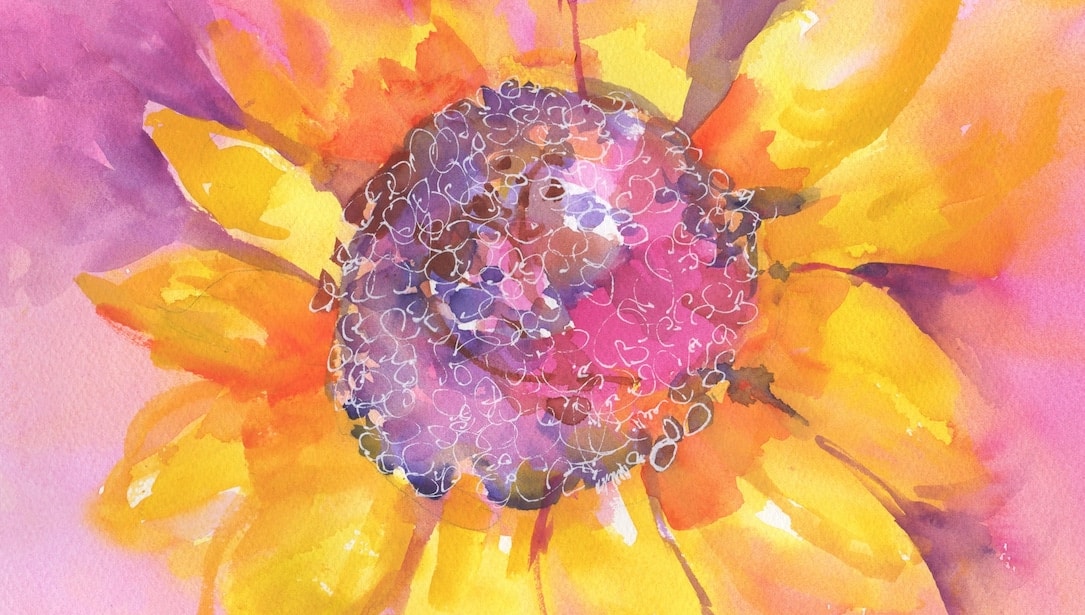

Kathleen McElwaine El viernes 29 de julio, se conectó EN DIRECTO con nosotros desde Estados Unidos para compartir sus técnicas de acuarela y su paleta de colores favorita.
Aquí tenéis una breve sesión de preguntas y respuestas con Kathleen:
¿Por qué haces arte?
La pintura es mi fundamento y centro social en mis relaciones con los demás. La uso para expresar todo, desde mi fe hasta mis relaciones con mi familia y amigos.
¿Cuánto tiempo llevas pintando?
Desde que era niño.
¿Recibiste formación artística formal?
Cuando tenía 12 años, comencé a estudiar arte con Jay O'Meilia; recibí clases particulares durante 8 años. Él me enseñó los fundamentos, el control ojo-mano y cómo disciplinarme para dibujar todos los días. Dibujaba mucho con acuarela azul claro. Jay me enseñó las cosas más importantes, que aún aplico a diario en mi carrera artística: paciencia, autodisciplina, humildad, encontrar la manera de servir a mi comunidad y recordar siempre lo mucho que me he esforzado para lograr lo que he conseguido.
¿Eres artista profesional o aficionado?
¡Soy artista y trabajo, hurra! Me esforcé mucho para llegar hasta aquí.
¿Quién te inspira?
Mi papá.
¿Qué escuchas mientras pintas?
No hay música, pero me gusta escuchar a los pájaros que cantan fuera de mi ventana.
¿Has tenido algún mentor?
Sí – Virginia Jarboe Rodecker de Tulsa, Oklahoma
¿Pintas todos los días?
Sí, pintar es como comer. Siempre estoy planeando clases y buscando maneras de pintar. La enseñanza es una fuente constante de inspiración en mi día a día como pintora.
¿Pintas una pieza a la vez o trabajas en varias simultáneamente?
Normalmente trabajo en varios cuadros a la vez. Siempre tengo inspiración para pintar. No me imagino viviendo lo suficiente como para pintar todos los cuadros que tengo en mente. Y quiero enseñar a otros a pintarlos.
¿Primero creas un boceto conceptual?
Creo a partir de mi imaginación, pero a menudo uso fotos y paisajes al aire libre como referencia. Me enseñaron a planificar una pintura con un boceto a la acuarela. Hago el boceto con un pincel y a veces creo algo más grande a partir de él, o a veces solo uso el boceto.
¿Prefieres pintar en estudio o al aire libre?
Inicialmente aprendí a pintar en un estudio, luego Virginia me enseñó a planificar mis pinturas al aire libre pintando un estudio en acuarela en el lugar y después un cuadro al óleo en mi estudio. Hoy pinto en todos los sitios a los que voy: restaurantes, cafeterías, en el coche cuando voy de pasajera, incluso en trenes, aviones y autobuses cuando viajo.
¿Cuántos colores básicos utilizas?
En el lado derecho de mi paleta, tengo diez colores DANIEL SMITH que consisten en primarios y secundarios, además de Naranja quemada de quinacridona y Índigo. Quiero que mis alumnos sepan cómo usar y reconocer los colores de la pintura. Por ejemplo, un color como Tono rojo azulado ftalo Te asustará, es tan fuerte y difícil de crear un lavado, sin embargo es uno de los colores más utilizables de la paleta, especialmente para crear hermosos grises y negro oscuro. Algunos de los colores PrimaTek como Serpentina genuina Son difíciles de despertar, pero quiero que sepan cómo usarlo y apreciar sus cualidades. Les enseño a los estudiantes las características de los pigmentos y por qué son importantes, como lo que se necesita saber sobre la tinción para realzar el color. La ciencia del color está ahí para evitar que tengamos que adivinar o pasar por muchos intentos fallidos.
¿Tubos, sartenes o palitos?
Me gustan todas las pinturas de DANIEL SMITH. Disfruto muchísimo de las barras porque el color parece tan intenso y tan rápido. Me encantan los colores nuevos. Y estoy muy orgullosa de mi tarjeta de puntos.
¿Cuándo sabes que tu obra está terminada?
Depende del cuadro, puede tardar entre 30 minutos y 2 horas. Sabes que está terminado cuando ya no sabes qué más hacer.
••••••••••
Únase a nosotros en línea cada semana para un Conversación cercana y personal Con Daniel Smith, CEO y propietario, John Cogley y artistas invitados de todo el mundo. Los jueves (14:00, hora del Pacífico), John destaca las diversas características de nuestros productos y responde a sus preguntas. Los viernes (10:30, hora del Pacífico), un artista invitado comparte cómo incorpora esas características en su obra. haga clic aquí para los enlaces de Zoom de la próxima semana.
Consulte nuestra página de Facebook para obtener noticias sobre los próximos artistas invitados o para ver repeticiones anteriores. Cada reunión de Zoom también se graba y se comparte en nuestro canal de YouTube. La traducción al español está disponible – selecciona el canal en español en Zoom.