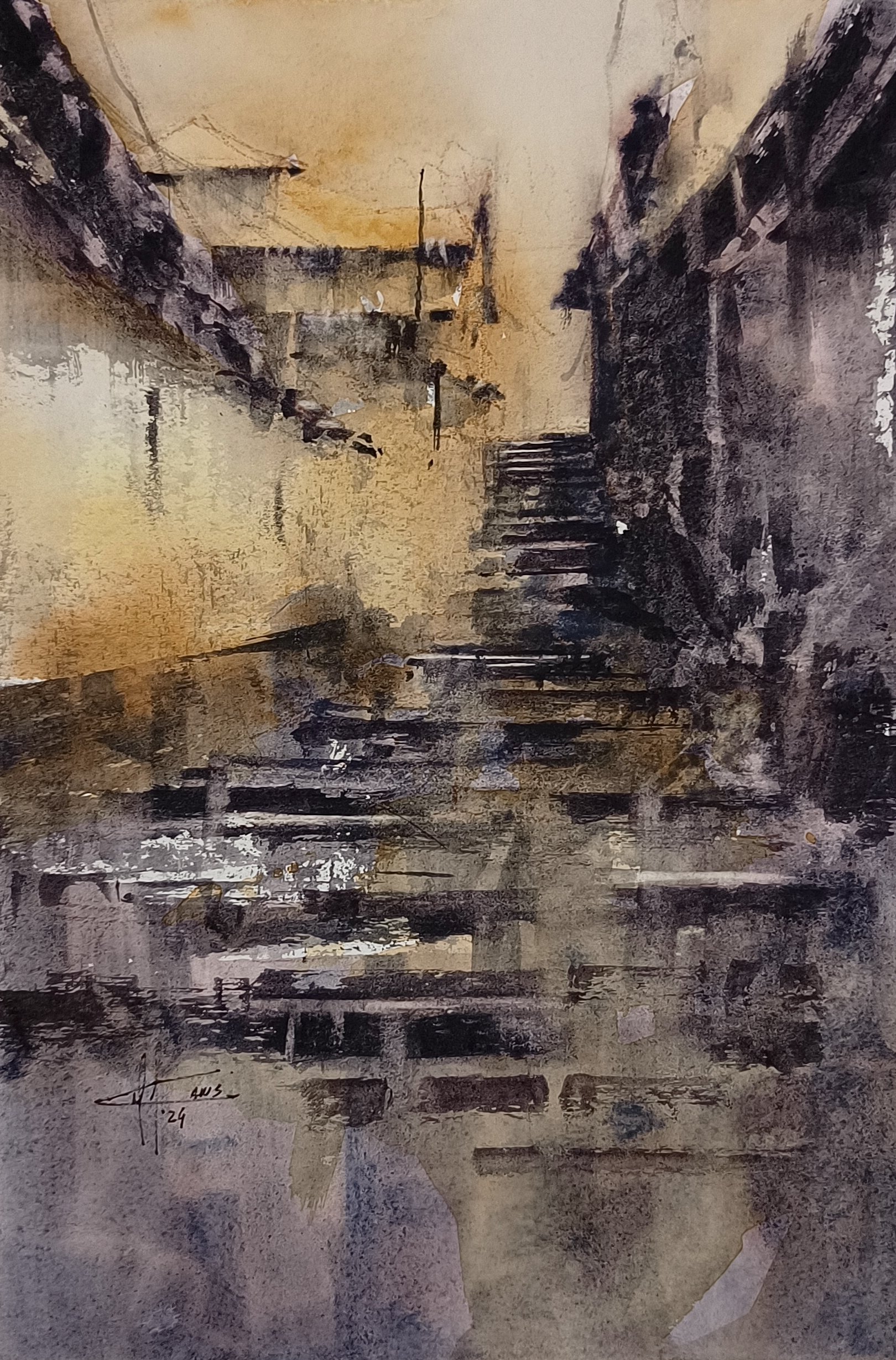













Raffaele Ciccaleni è venuto da noi in DIRETTA dall'Italia venerdì 4 novembre tramite Zoom per condividere le sue tecniche di acquerello e la sua tavolozza di colori preferita.
Ecco una breve sessione di domande e risposte con Raffaele:
Perché fai arte?
Ho sempre disegnato e dipinto (e suonato) fin da quando ho memoria, quindi fare arte è sempre stato un modo per esprimermi. Nessun obiettivo particolare da perseguire o regole da seguire, solo un modo normale di attraversare la vita. Ciò che è scaturito da questo processo potrebbe non essere stato sempre vera e propria "arte", ovviamente, ma ne ha comunque rappresentato l'essenza.
Hai seguito un corso di formazione artistica formale?
No, ho ricevuto una formazione specifica solo per il mio lavoro principale, che era l'insegnamento. Ora, dopo essere andata in pensione, sono un'artista che lavora e insegna a tempo pieno.
Cosa ti ispira?
Per quanto riguarda i soggetti, traggo ispirazione principalmente dai paesaggi. Quanto alla creatività, tutto può ispirarmi: libri, storia dell'arte, parole astratte, critici d'arte, studenti e l'insegnamento.
Che tipo di musica ascolti mentre dipingi?
Da musicista… preferisco di gran lunga un ambiente privo di musica quando dipingo. I musicisti di solito guardano opere d'arte mentre compongono musica?
Hai mai avuto un mentore?
Il mio principale mentore culturale è stato il mio professore universitario Gino Stefani, che insegnava Storia della Musica. Egli suggeriva sempre un approccio semiologico a ogni ambito della comunicazione e dell'espressione. Era amico del compianto Umberto Eco, di cui ho frequentato anche i corsi universitari negli anni Settanta. I miei mentori nell'acquerello si trovano nei libri di J.S. Cotman, E. Lear, J.W.M. Turner, E. Wesson, E. Seago, R. Hilder e J. Fletcher Watson. Ho avuto la fortuna di intrattenere una corrispondenza con quest'ultimo. Anche i maestri contemporanei orientali, che abbiamo potuto conoscere e seguire solo sul web negli ultimi decenni, sono per me una grande fonte di ispirazione.
Dipingi tutti i giorni?
Non dipingo tutti i giorni. Ho bisogno di periodi di pausa, dedicati alla riflessione e allo studio. Poi, all'improvviso, vado a dipingere!
Dipingi un'opera alla volta o lavori su più opere contemporaneamente?
Di solito lavoro su un'opera alla volta, ma spesso dipingo più pezzi in una sola sessione: preferisco lavorare molto velocemente! A volte lavoro dopo aver espresso un concetto o dopo aver ricevuto un'idea stimolante, ma per lo più mi lascio guidare dall'ispirazione, soprattutto quando dipingo all'aria aperta.
Preferisci dipingere in studio o all'aria aperta?
Preferisco dipingere all'aria aperta, ma mi sembra di essere all'aria aperta anche al chiuso, dato che non ho mai avuto un vero e proprio studio.
Quanti colori principali utilizzi?
Utilizzo sempre pochissimi colori di base, ma mi sono limitato a tavolozze molto ristrette. Negli ultimi decenni, uno dei miei principali interessi è stato quello di studiare, comprendere e sfruttare gli insegnamenti che le triadi di colore offrono a noi pittori. Il mio set ideale è composto da tre colori, tre pennelli e un bicchiere d'acqua.
Tubi, padelle o bastoncini?
Preferisco i colori in tubetto, anche se a volte uso anche quelli in pastiglia quando viaggio: viaggiare leggeri è fondamentale. Può sembrare strano, ma i colori in tubetto sono ancora preferibili per gli schizzi veloci. Considero l'uso dei pastelli a cera principalmente per "riempire" intere pastiglie in set speciali.
Come fai a sapere che la tua opera è finita?
So che un'opera è finita... il più delle volte troppo tardi! Solo a quest'età comincio a lasciare che un dipinto fluisca e si esprima da solo, nella sua gloria "dall'aspetto incompiuto".
••••••••••
Unisciti a noi online ogni settimana per un Conversazione intima e personale Con John Cogley, CEO e proprietario di Daniel Smith, e artisti ospiti provenienti da tutto il mondo. Il giovedì (ore 14:00, Pacifico), John illustra le diverse caratteristiche dei nostri prodotti e risponde alle vostre domande. Il venerdì (ore 10:30, Pacifico), un artista ospite interviene per condividere come integra queste caratteristiche nelle sue opere. clicca qui per i link Zoom della prossima settimana.
Controlla il nostro Pagina Facebook per notizie sui prossimi artisti ospiti o per guardare le repliche passate. Ogni riunione Zoom viene anche registrata e condivisa sul nostro Canale YouTube. La traduzione al spagnolo è disponibile: seleziona il canale spagnolo su Zoom.