












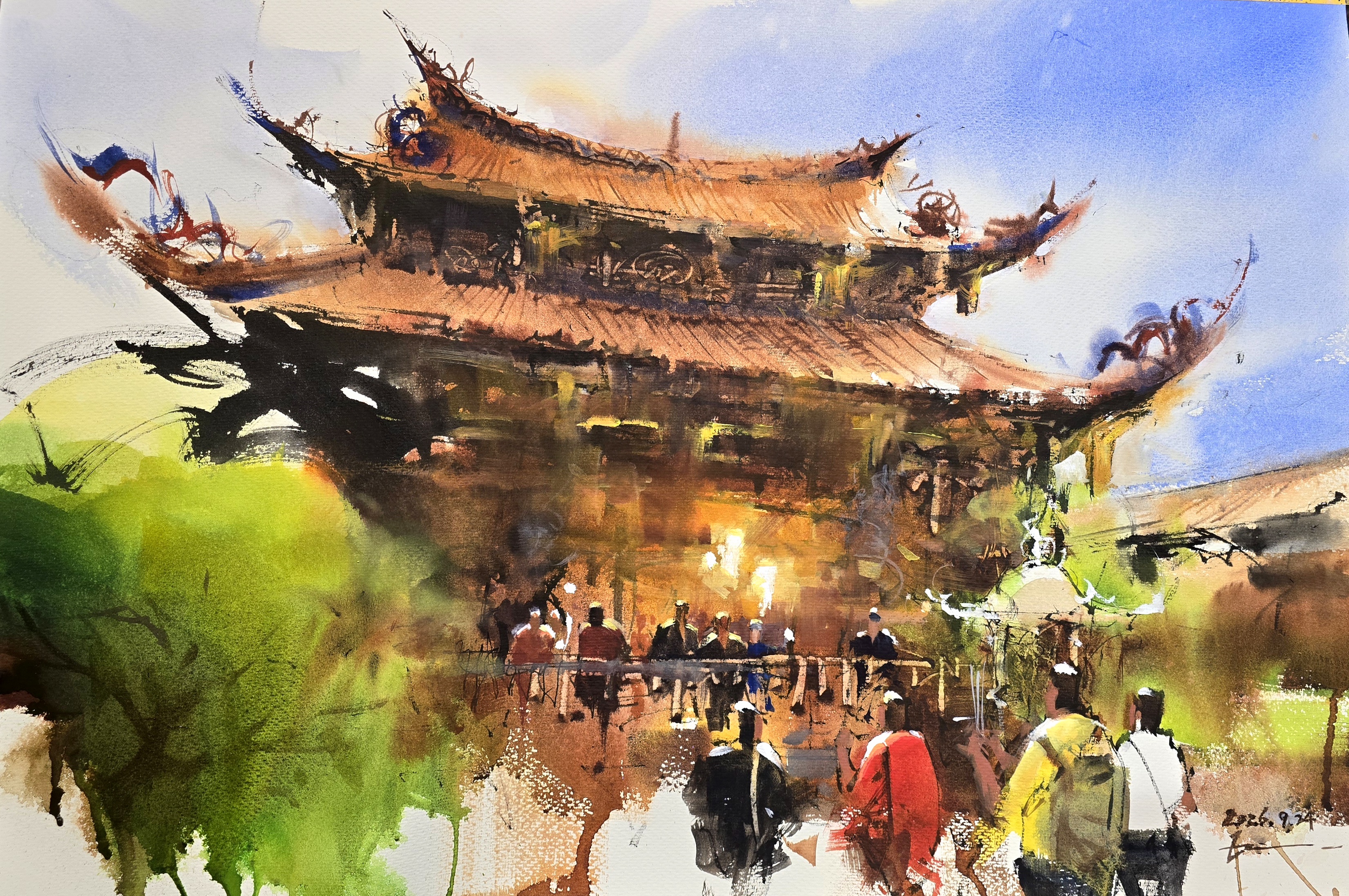

Every artist brings a unique story to the colors on their palette—and for DANIEL SMITH Brand Ambassador Ellie Yu Sih Ying, watercolor is a language for exploration, expression, and connection.
In this Brand Ambassador Feature, we get to know Ellie beyond the finished paintings, discovering the experiences that have shaped her creative journey, the ideas and subjects that continue to inspire her, and the DANIEL SMITH colors that have become part of her artistic voice. Through her perspective, we’re reminded that watercolor is as much about curiosity and discovery as it is about the final work.
We wanted to hear more from Ellie herself, so we asked her five questions about her creative journey, inspirations, approach to watercolor, and the role color plays in her work. Her thoughtful insights give us a glimpse into how she sees, creates, and continues to grow as an artist. Let’s hear from Ellie in her own words.
Meet Ellie Yu Sih Ying and step into her world of watercolor—one color, one brushstroke, and one story at a time.
Every artist has a beginning. What first drew you to watercolor, and how has your creative journey evolved into the artist you are today?
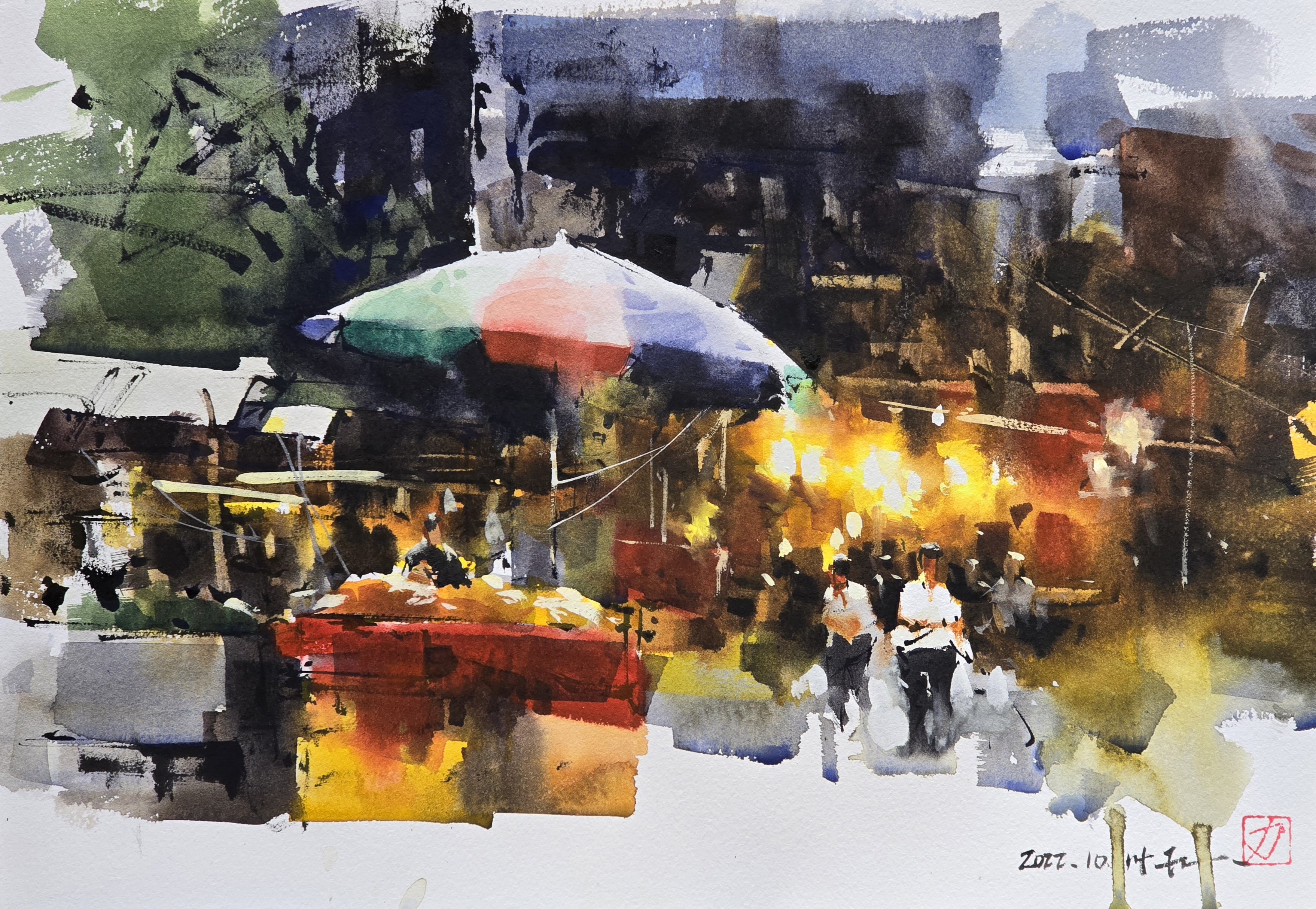
I have loved painting since I was a child. During my junior high school years, I began sketching frequently around my neighborhood, which was also how I was first introduced to watercolor.
As I continued painting, I became increasingly fascinated by the combination of Chinese ink and watercolor. Chinese ink carries the expressive qualities of traditional Eastern painting, while watercolor offers rich colors and a beautiful sense of fluidity. Bringing these two mediums together opened up new creative possibilities for me.
Over the years, I have continued exploring and developing techniques that combine ink and watercolor. Through ongoing experimentation, I hope to create a distinctive approach to watercolor painting that brings together the characteristics of both Eastern and Western art.
Color can become part of an artist’s visual voice. How have DANIEL SMITH Watercolors influenced the way you explore color, develop your palette, and express your own artistic style?
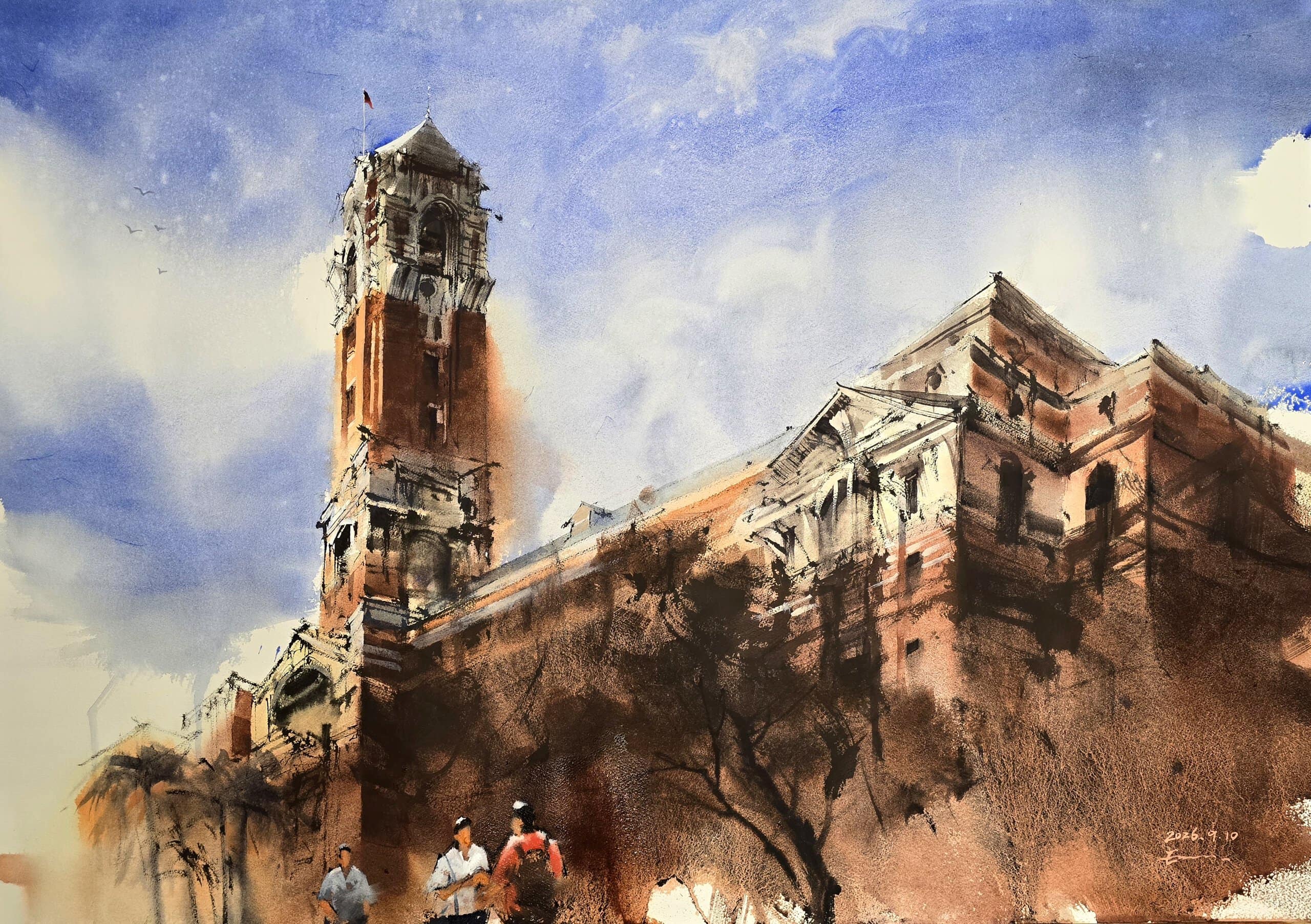
DANIEL SMITH Watercolors have incredibly beautiful and distinctive granulation effects. I often use these pigments in the darker areas of my paintings and across large areas of color.
The natural granulation and movement of water give my paintings a freer and more expressive quality. I also use these characteristics to create contrast with the main subjects in my compositions, helping to establish a stronger focal point.
Is there a DANIEL SMITH color, or combination of colors, that has become distinctly “Ellie”? What do you love about it, and how does it show up in your work?
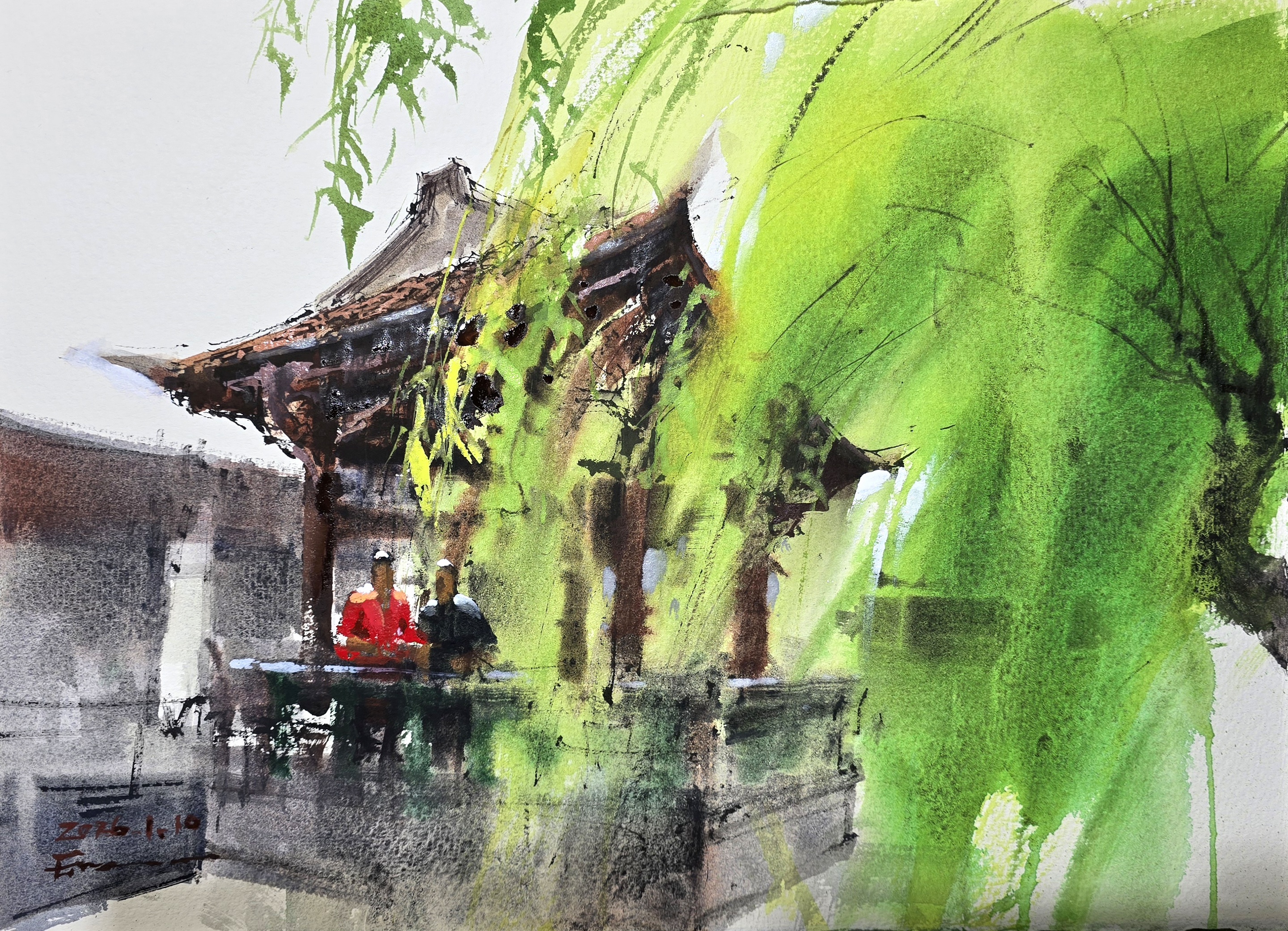
Among DANIEL SMITH Watercolors, some of my favorite colors are Permanent Brown, Jadeite Genuine, and Lunar Black.
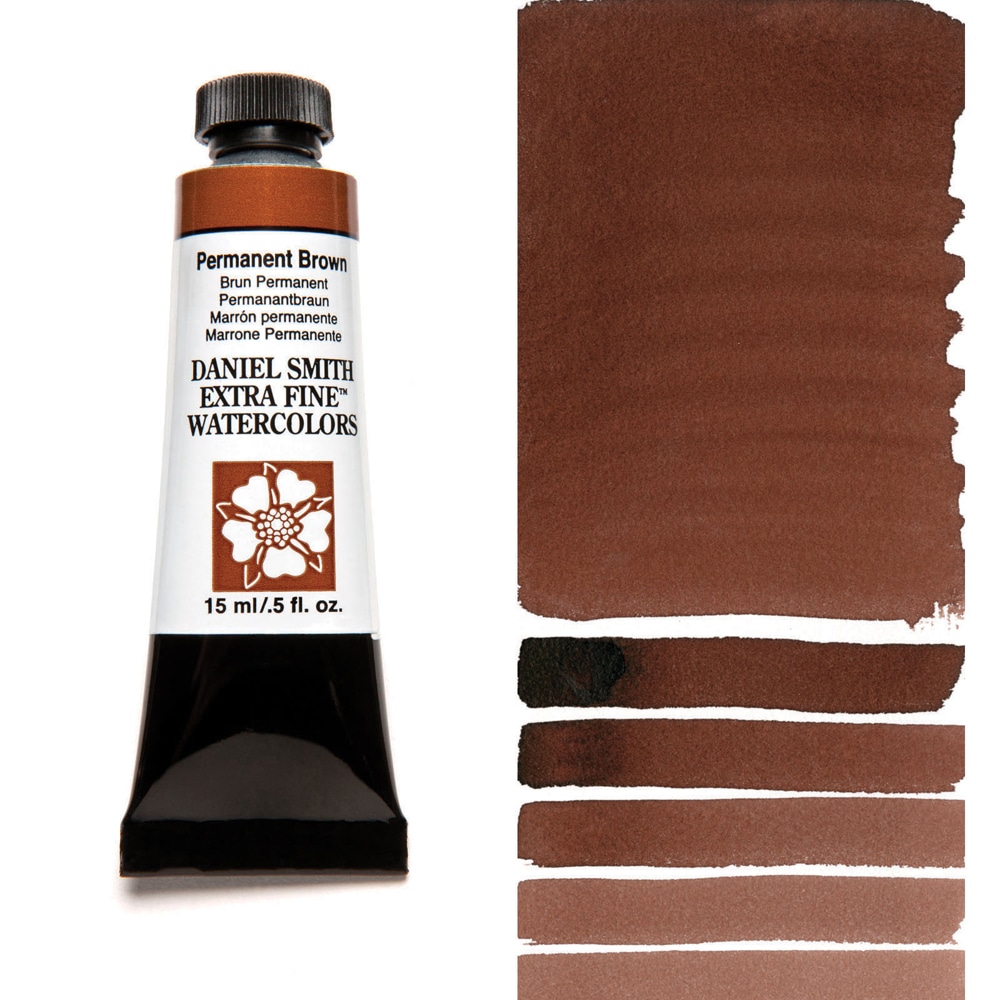
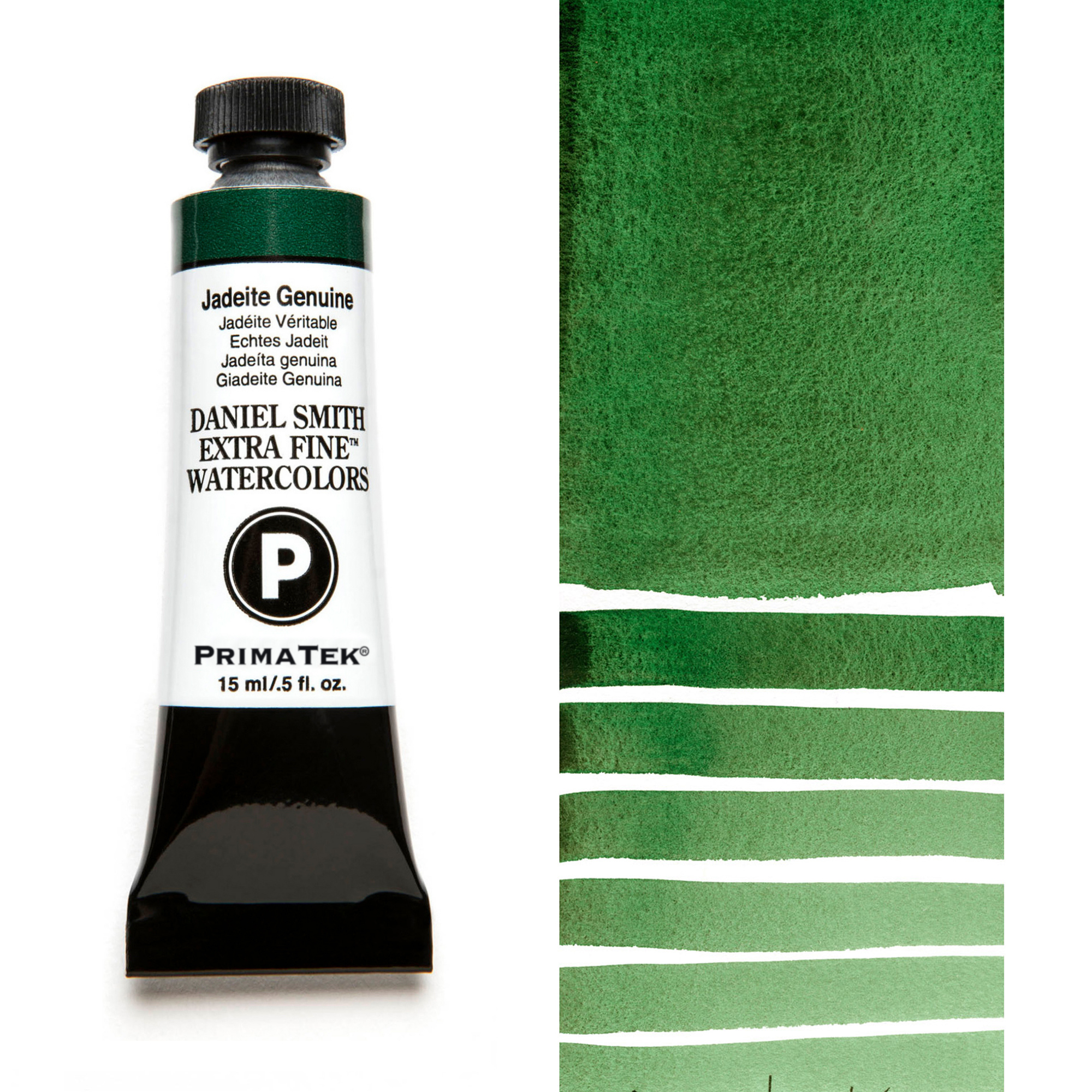
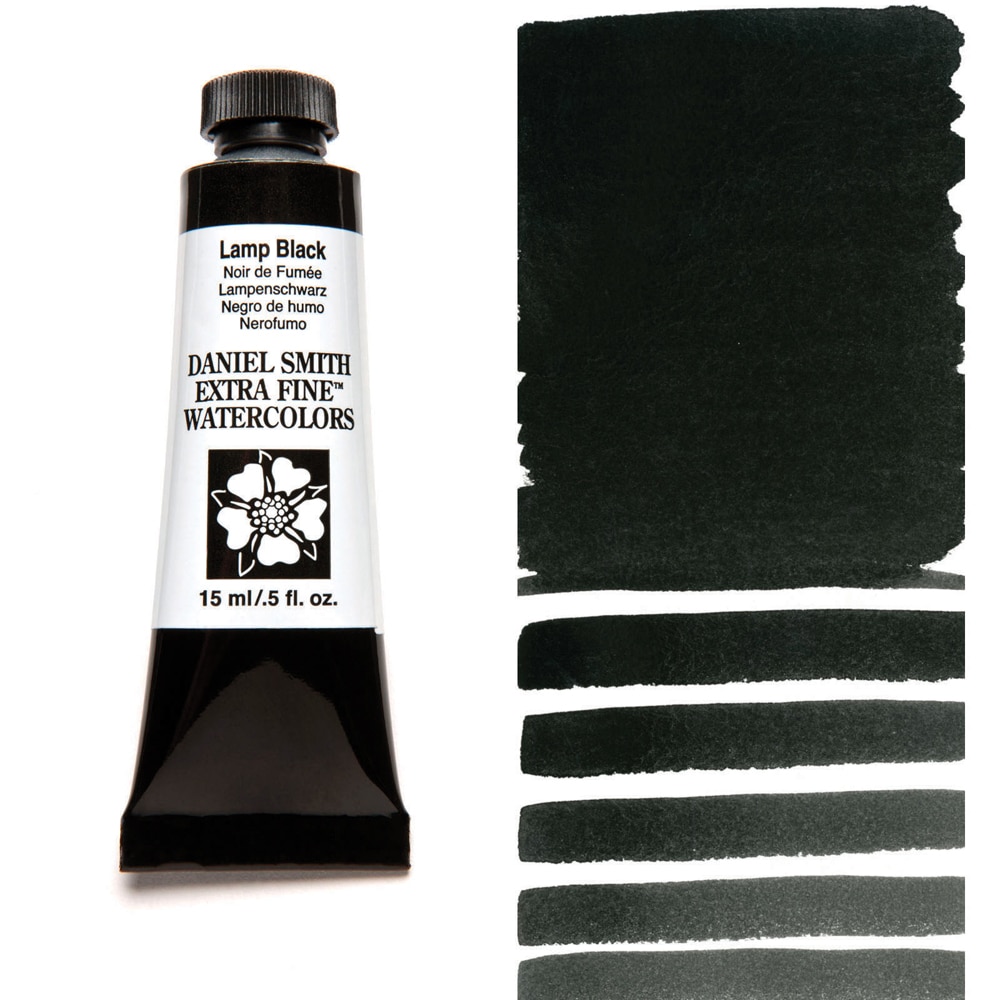
I particularly love their deep tones and pronounced granulation effects. In my paintings, I enjoy creating strong contrasts between light and dark, as well as between the main subject and the surrounding elements. These colors work especially well in darker areas, where their granulation creates beautiful variations and textures.
Experimentation often leads to unexpected creative breakthroughs. Can you share a memorable discovery you’ve made while exploring DANIEL SMITH pigments, whether through mixing, granulation, transparency, or another unique characteristic?
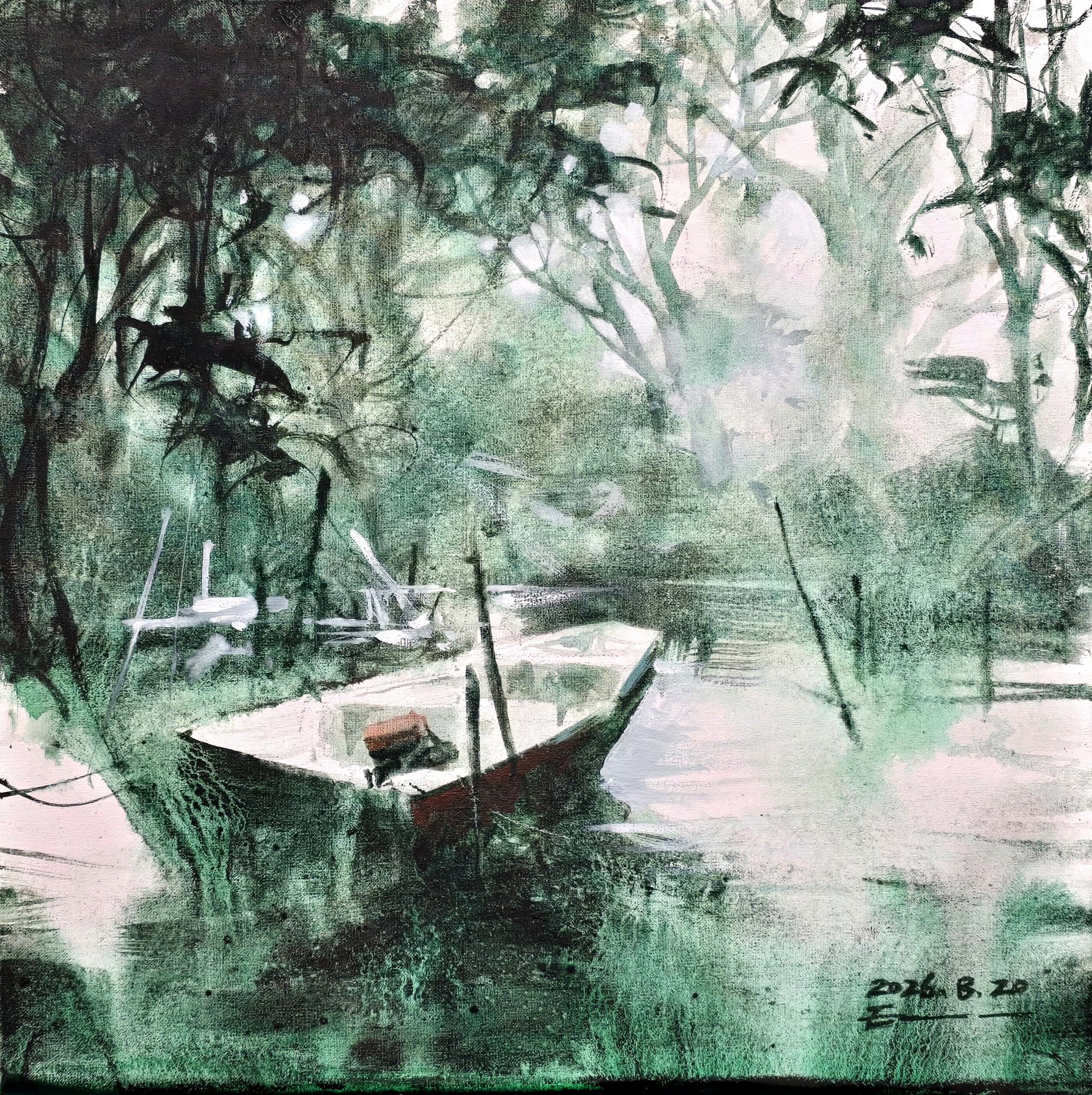
In my painting process, I usually begin by drawing the outlines with Chinese ink before applying watercolor.
Since Chinese ink has such a deep and intense tone, I was pleasantly surprised to discover how beautifully it works with the granulation effects of DANIEL SMITH Watercolors. The combination creates unique and interesting visual effects.
I also enjoy experimenting with DANIEL SMITH’s gray and lavender shades. Some of these pigments have a slightly opaque quality, and I discovered that their richer consistency, combined with granulation and the natural flow of water, can produce beautiful results.
These experiments have not only added more texture to my paintings but have also given my colors greater depth and richness, opening up new possibilities in my creative process.
As a DANIEL SMITH Brand Ambassador, what would you encourage artists who are still discovering their creative voice to explore—and what continues to keep you curious and excited about watercolor today?
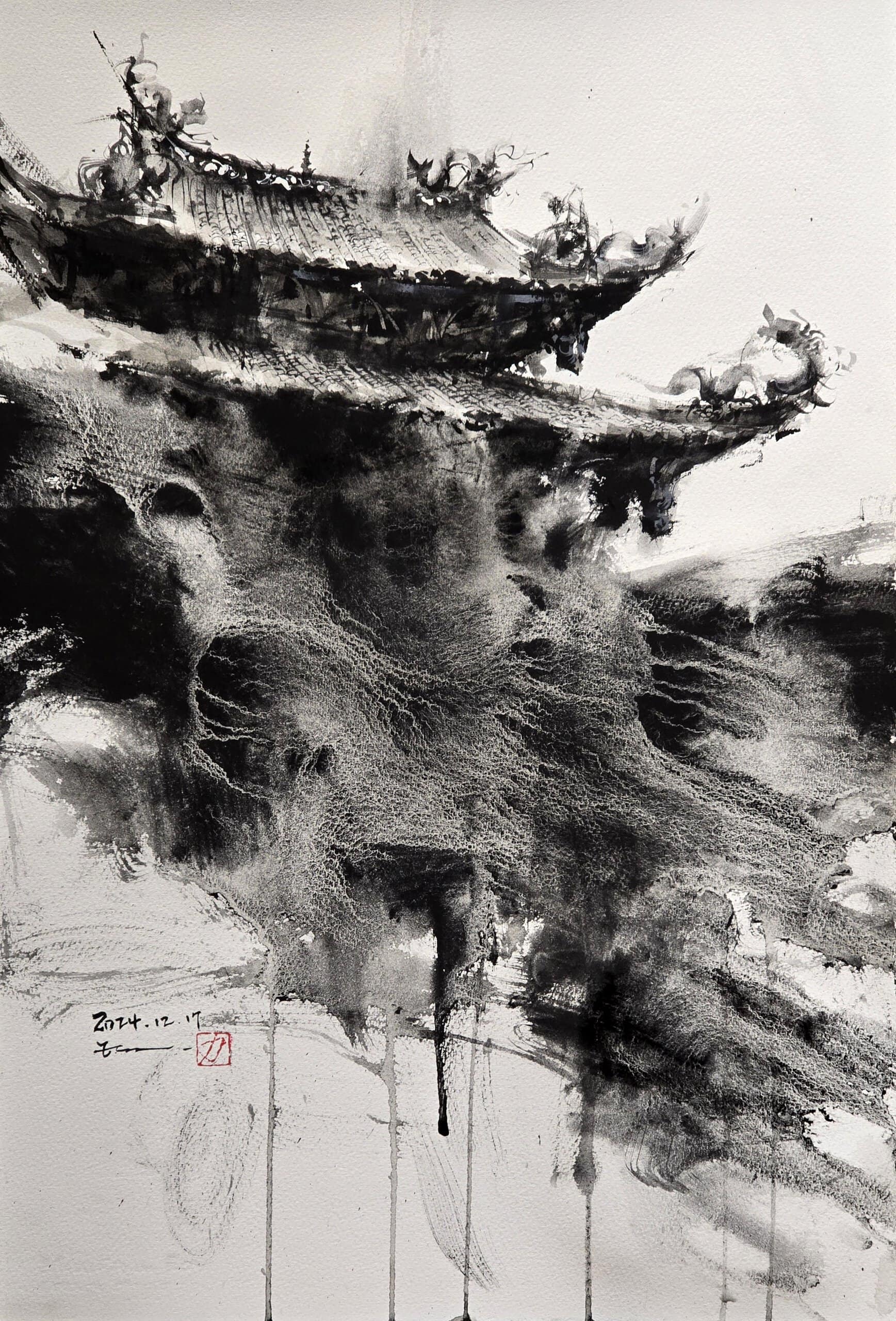
I love using sketching and painting as a way to document my life and the places I visit, making art a natural part of my everyday life.
Because I frequently paint outdoors, I often discover new ways of expressing myself or find unexpected inspiration during the painting process. I also genuinely enjoy exploring different watercolor and ink techniques, which keeps me curious and passionate about painting.
For artists who are still discovering their own creative voice, I would encourage them to keep experimenting and not be afraid of making mistakes. Just keep painting!
Throughout this journey of exploration, you will discover unexpected moments of inspiration and see the progress you have made step by step. I believe these experiences are what make painting such a beautiful and rewarding journey.
Ellie’s journey is a beautiful reminder of what can happen when curiosity, creativity, and experimentation come together through watercolor. Want to see her approach in action? Watch Ellie’s LIVE demo and discover more about her techniques, creative process, and the ways she explores the possibilities of DANIEL SMITH Watercolors.
And the exploration doesn’t end there—follow Ellie Yu Sih Ying’s artistic journey to see more of her paintings, inspirations, and continuing discoveries with watercolor. Keep exploring, keep experimenting, and perhaps let Ellie’s story inspire a few new possibilities on your own palette.
アーティストについて

エリー・ユー・シーイン
“I am an artist from Taiwan whose practice is rooted in the act of sketching as a form of lived documentation. The subjects of my work are drawn from the textures of everyday experience, ranging from quiet, static scenes to more dynamic and collective moments.
Situated within the ordinary yet deeply nuanced fabric of daily life, these works translate fleeting moments into visual narratives that hover between observation and memory. Through this process, I aim to evoke a sense of intimacy and familiarity, allowing viewers to encounter the work not as distant images, but as shared experiences—at once personal and communal resonant.”
関連記事
何も見つかりませんでした