
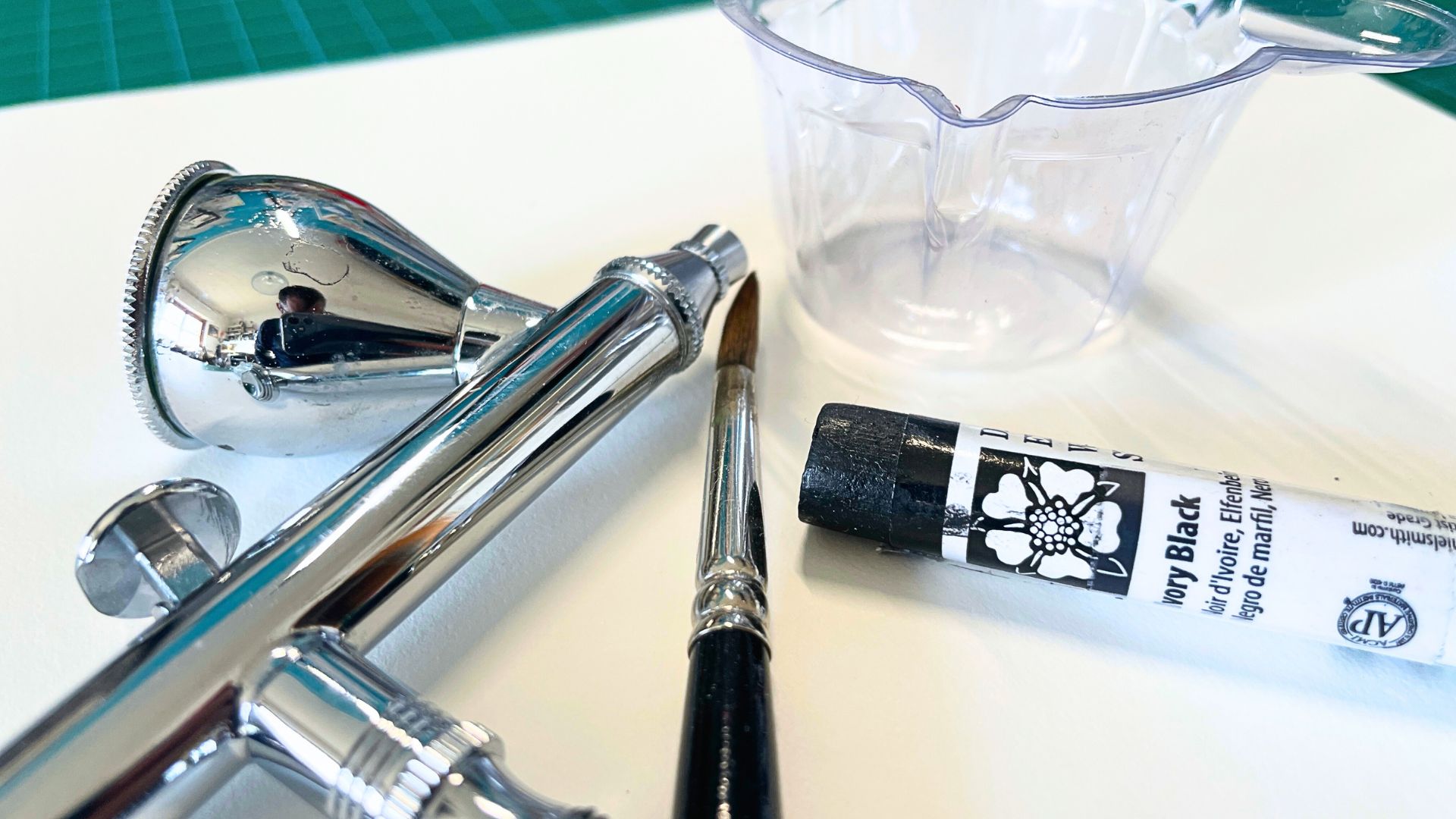

DANIEL SMITH Brand Ambassador Giovanni Balzarani shares how he combines watercolor with airbrushing techniques to achieve smooth, hyperrealistic effects. Drawing from his background in scale modeling, Giovanni explores how airbrush tools—traditionally used outside of fine art—can open new creative possibilities when paired with watercolor.
One of the technical and artistic tools that is undoubtedly underrated in the art world is the airbrush.
Commonly used in auto body shops, industrial painting, or general coating to achieve a flawless finish, it has evolved over the years into miniaturized versions. These are primarily used in scale modeling to create effects that are quite simply unthinkable with a standard brush.
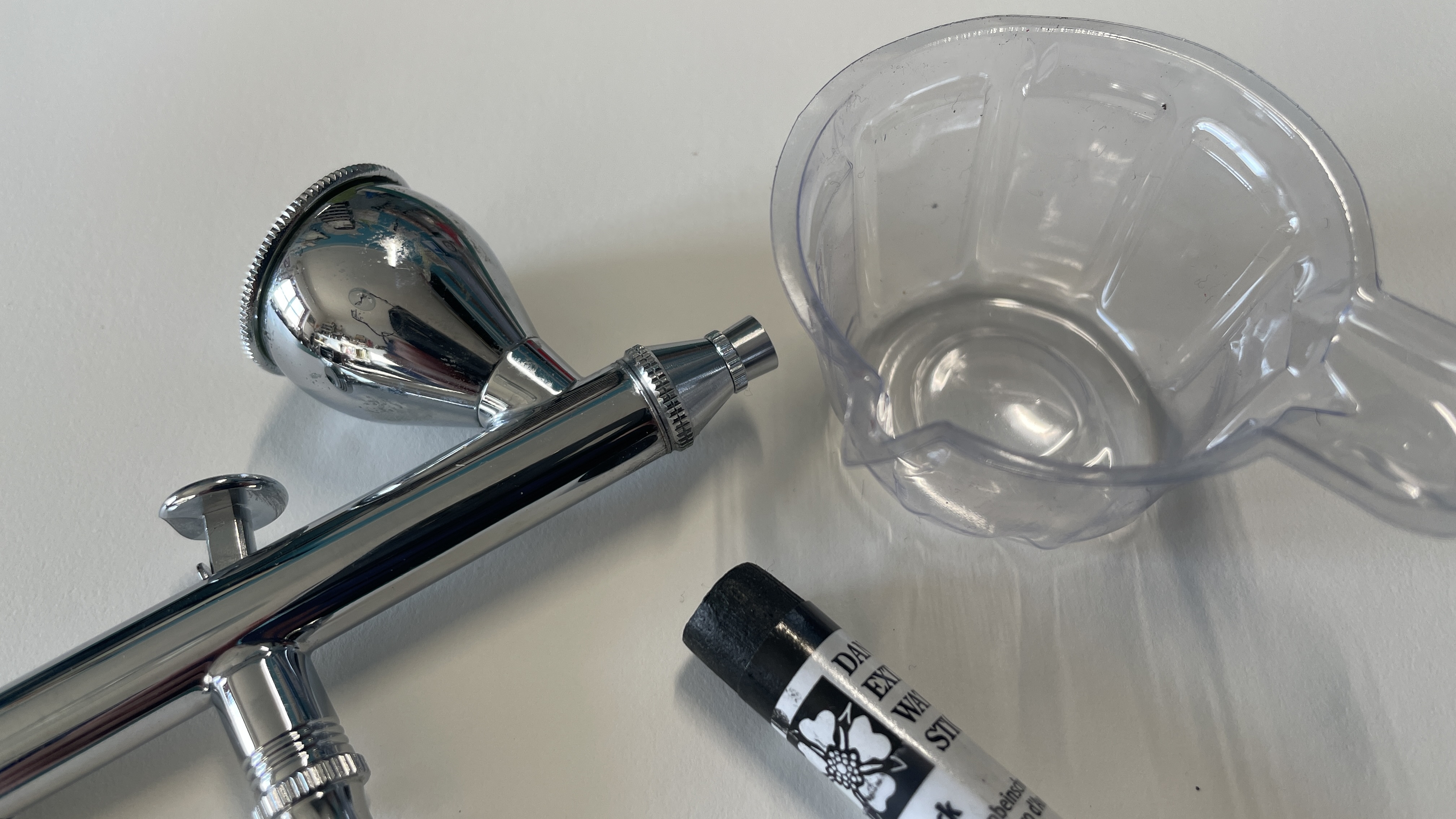
One of my many hobbies is scale modeling—both RC (dynamic) and static collecting. I have often wondered how I could apply airbrushing techniques to my current watercolor paintings.
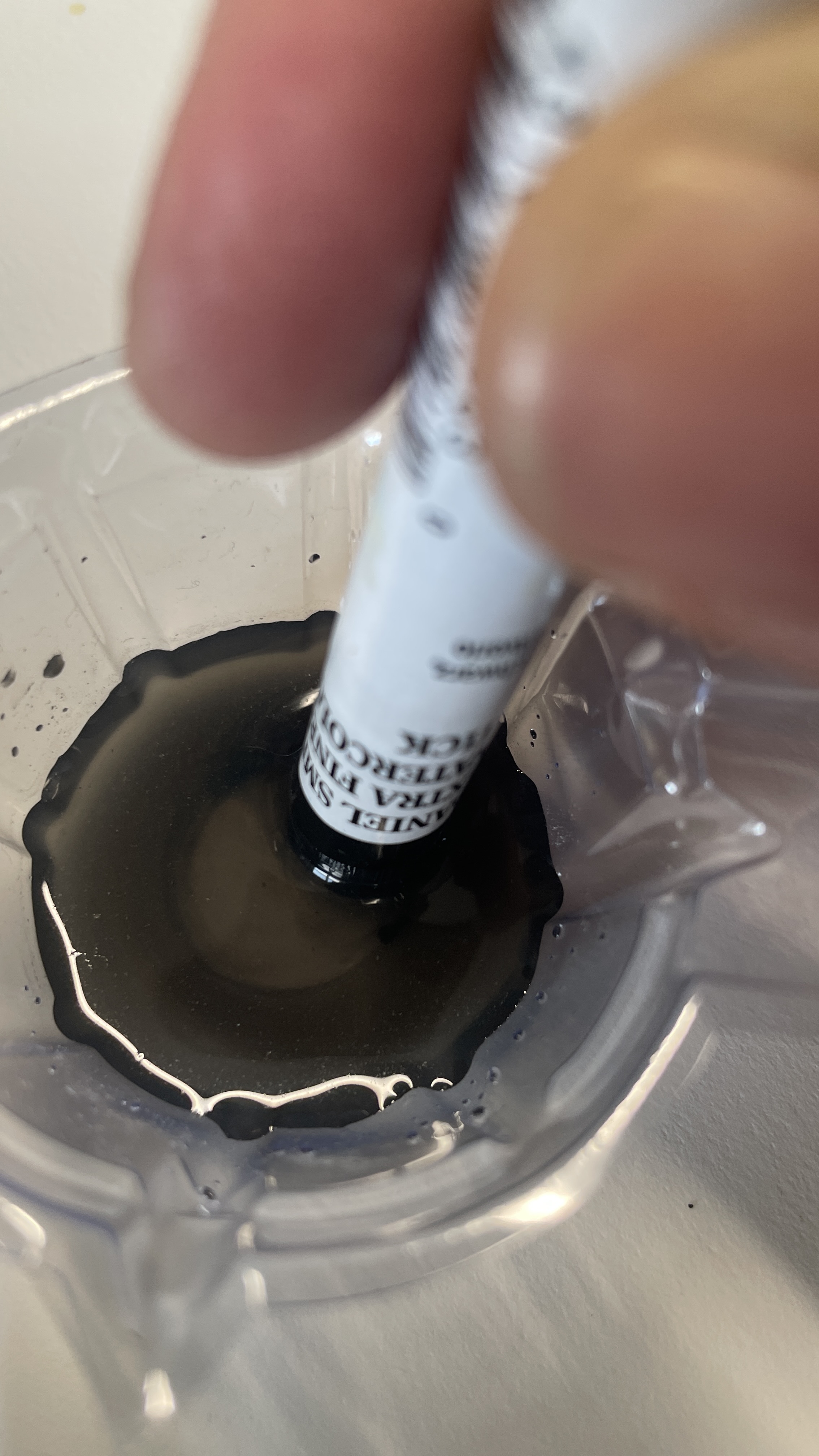
The technique is actually very well-suited for it, as the airbrush requires a very fluid dilution to function properly; a good starting ratio is 70/30 (70% thinner to 30% paint).
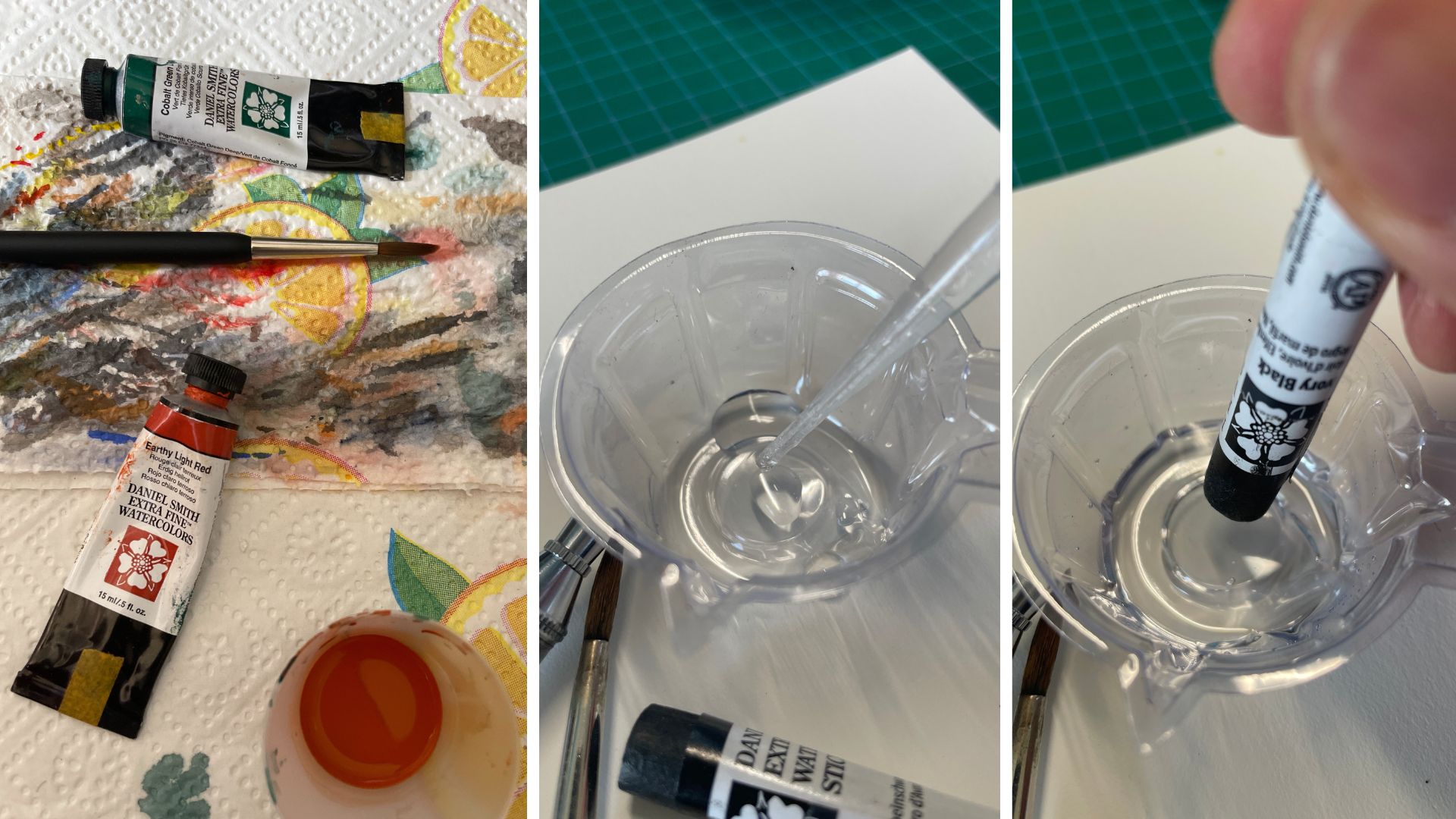
After dilution, I poured everything into my airbrush container and performed spray tests to check the dilution.
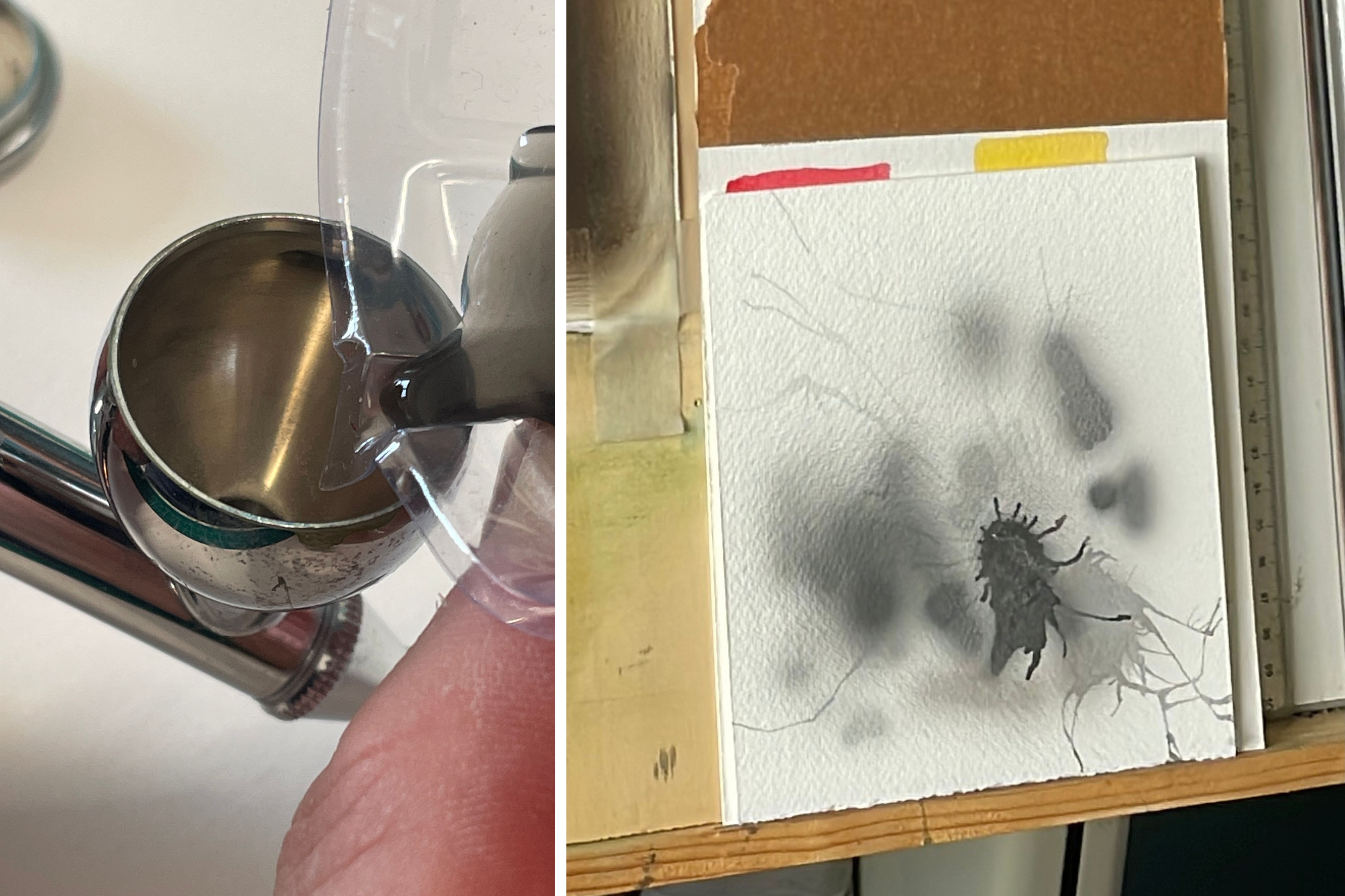
For my latest works, I used DANIEL SMITH Watercolor Sticks because they are pigment-rich and easy to dilute, making them absolutely perfect for this method.
An essential component of this technique is masking.
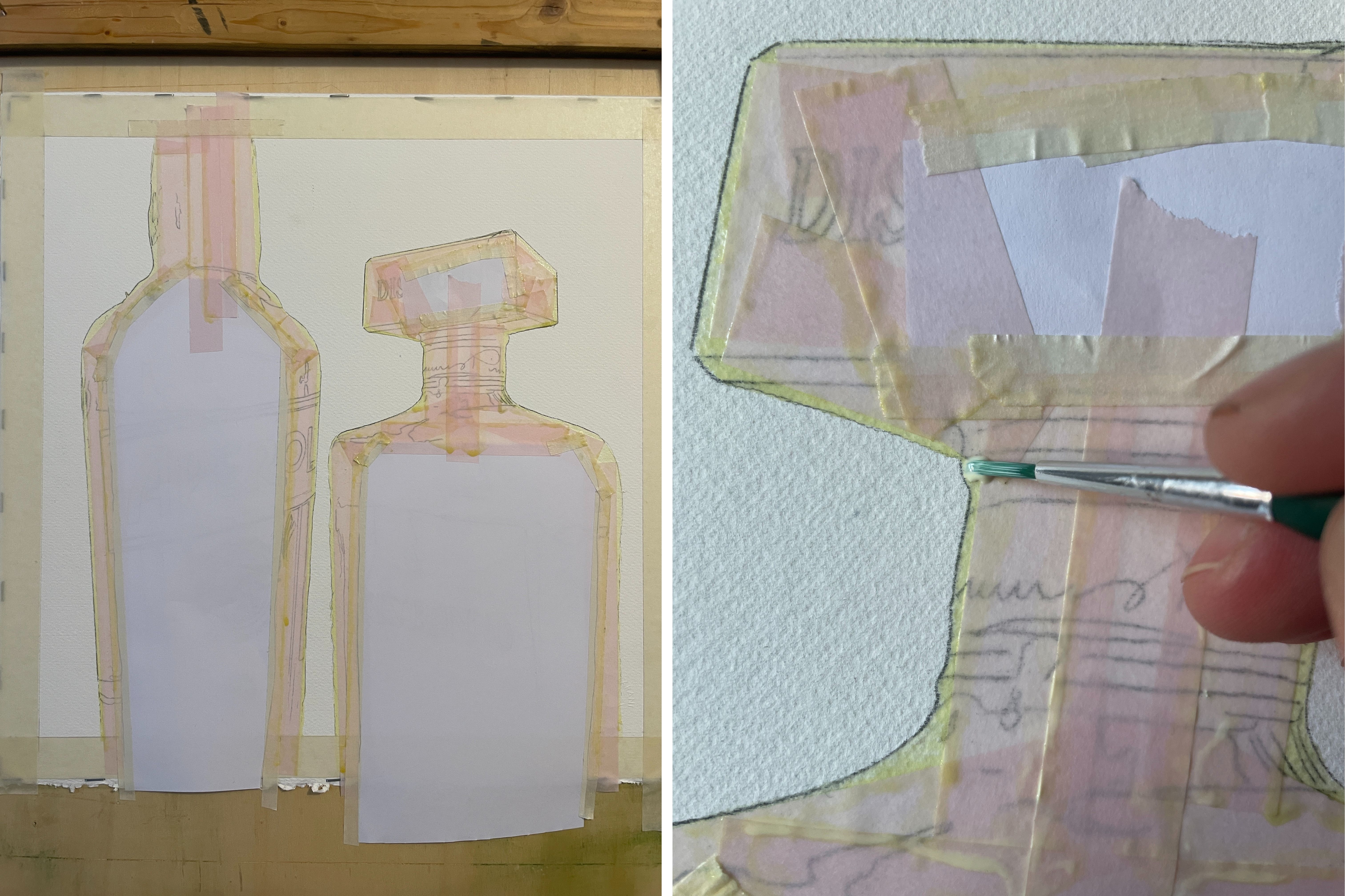
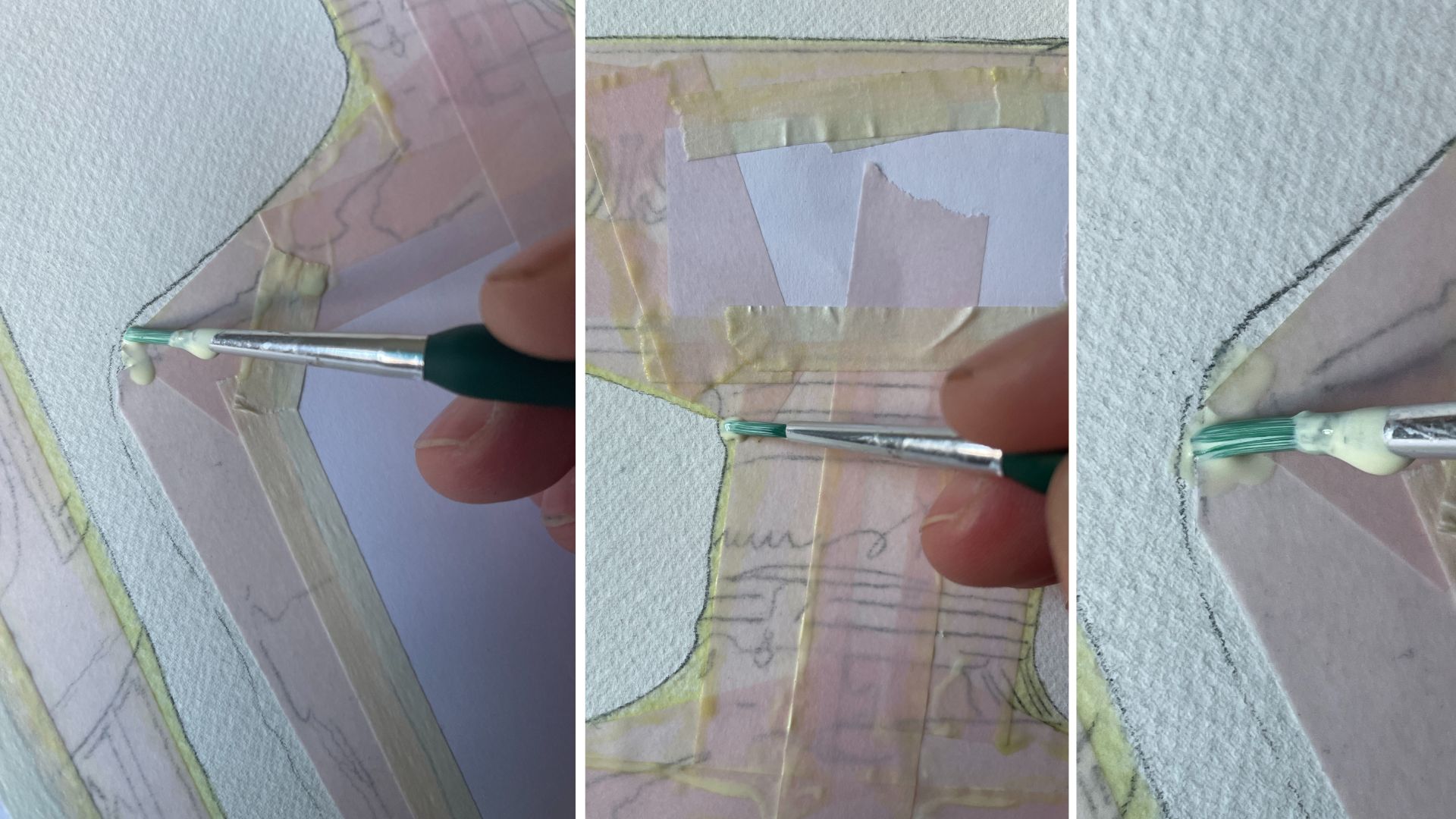
This is done using low-tack masking tape and Masking Fluid to carefully seal any gaps.
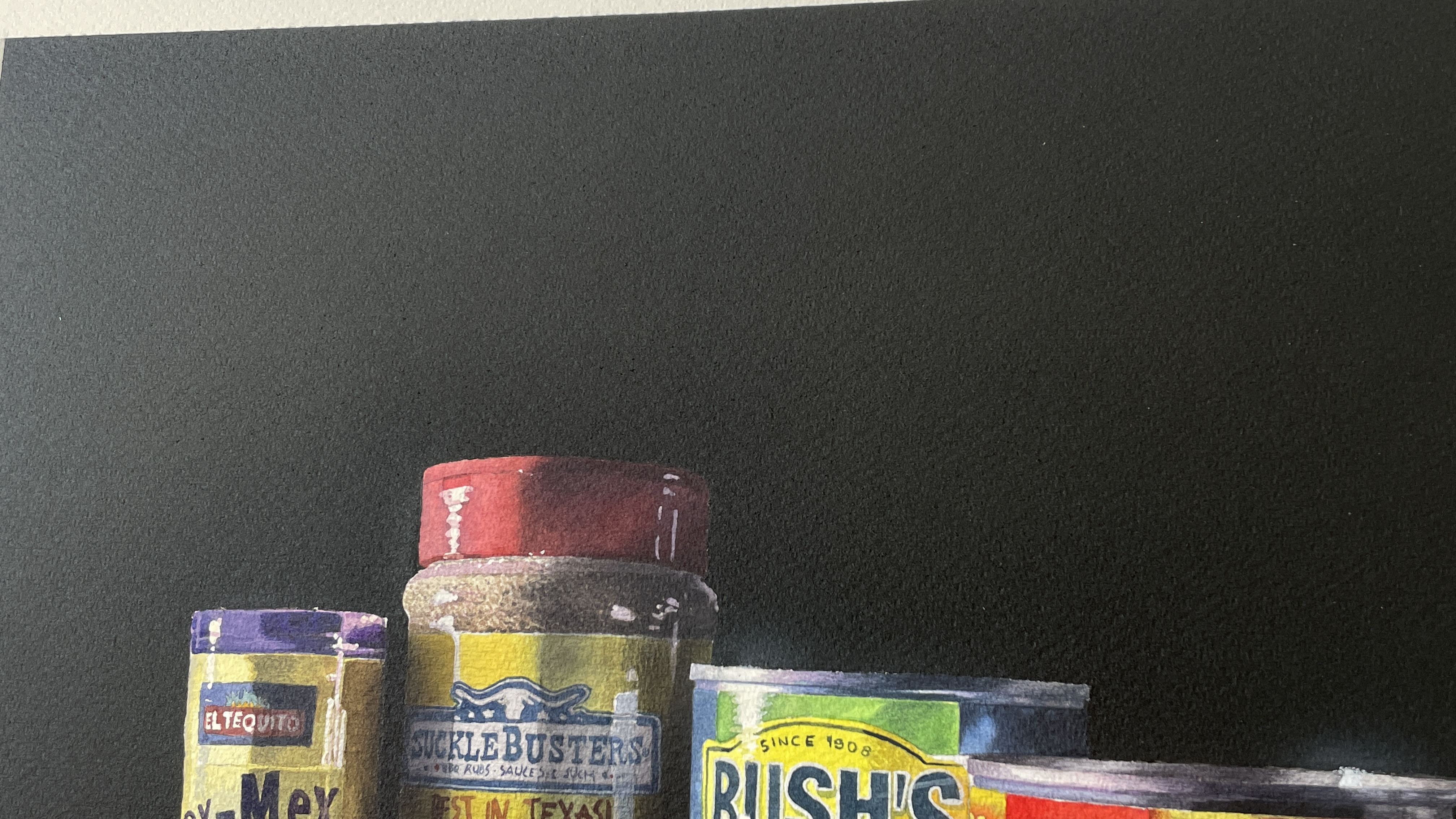
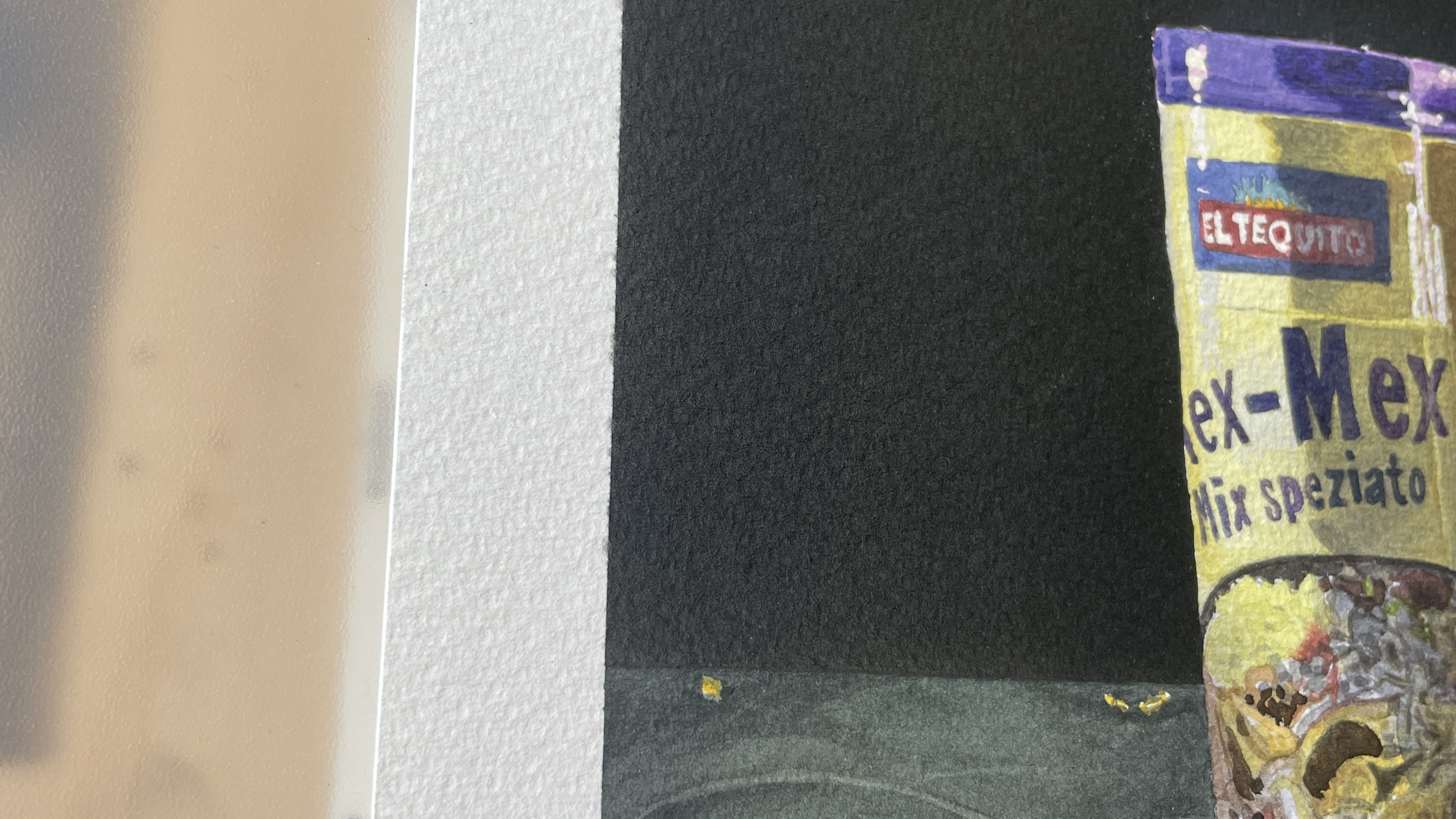
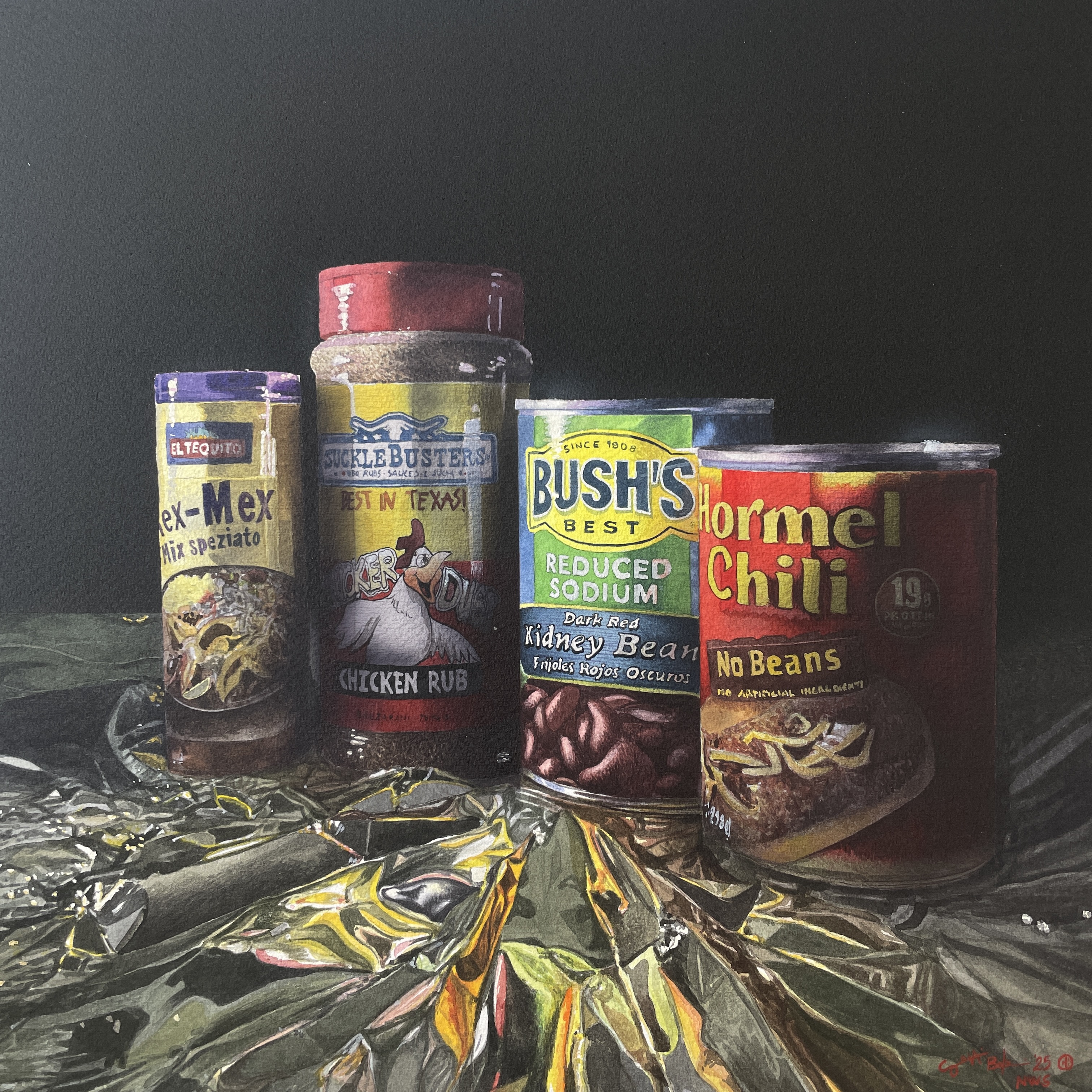
The idea of using an airbrush came from my desire to create a perfect, homogeneous background without a single visible brushstroke, as I study high-definition hyperrealistic watercolor.
Before achieving a perfect even black, I applied several grisaille layers with colors matching my reference image.
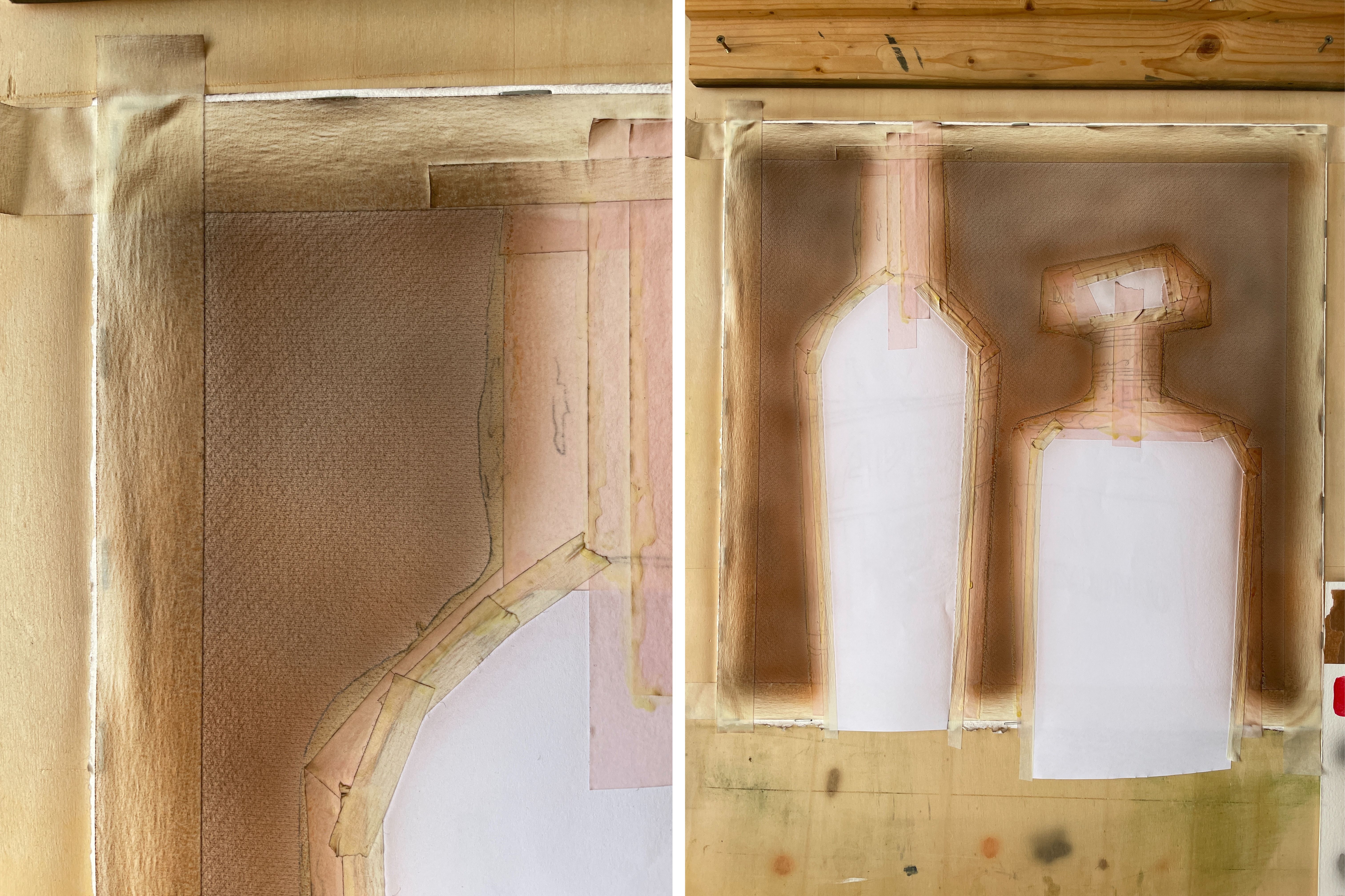
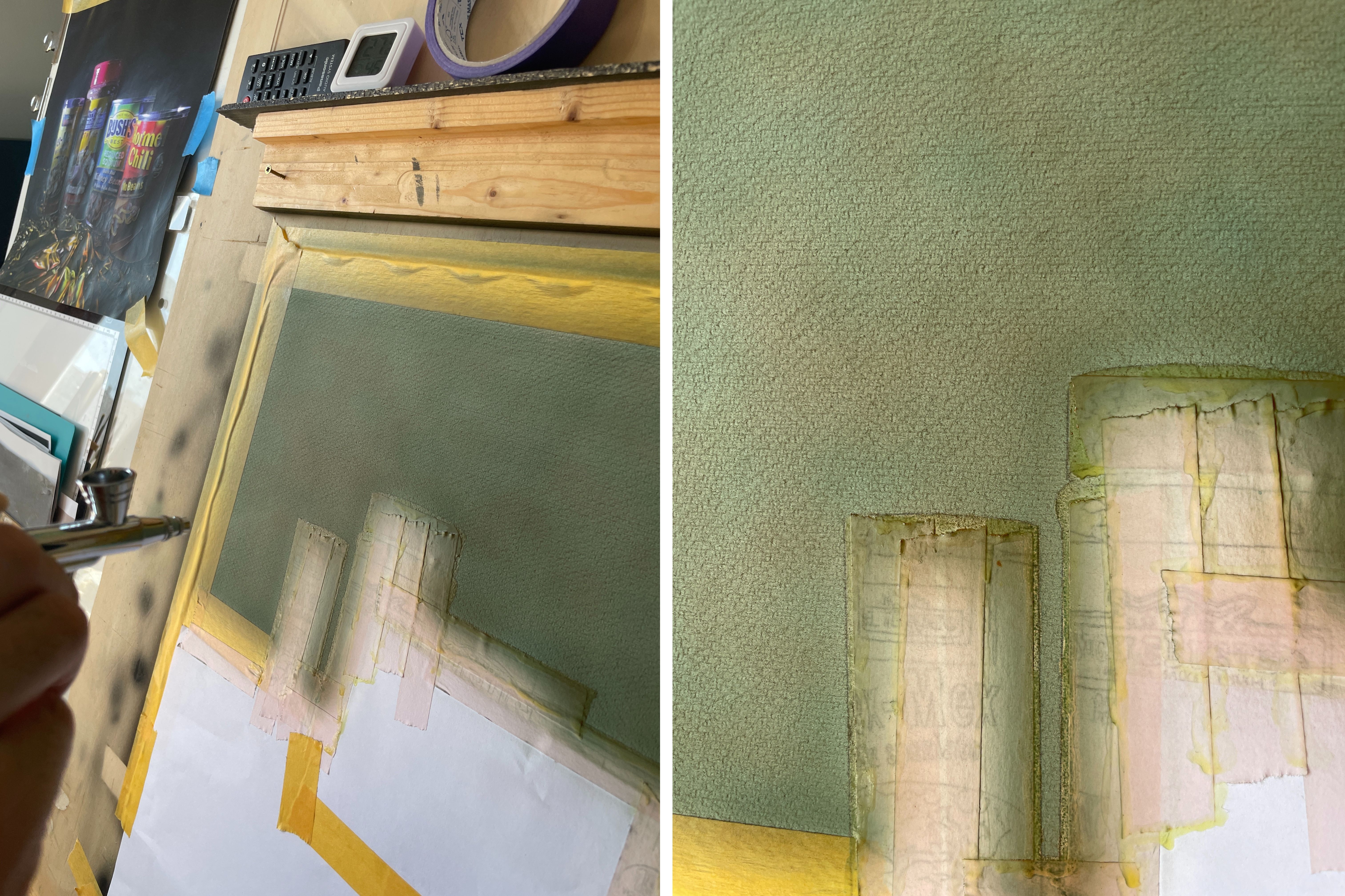
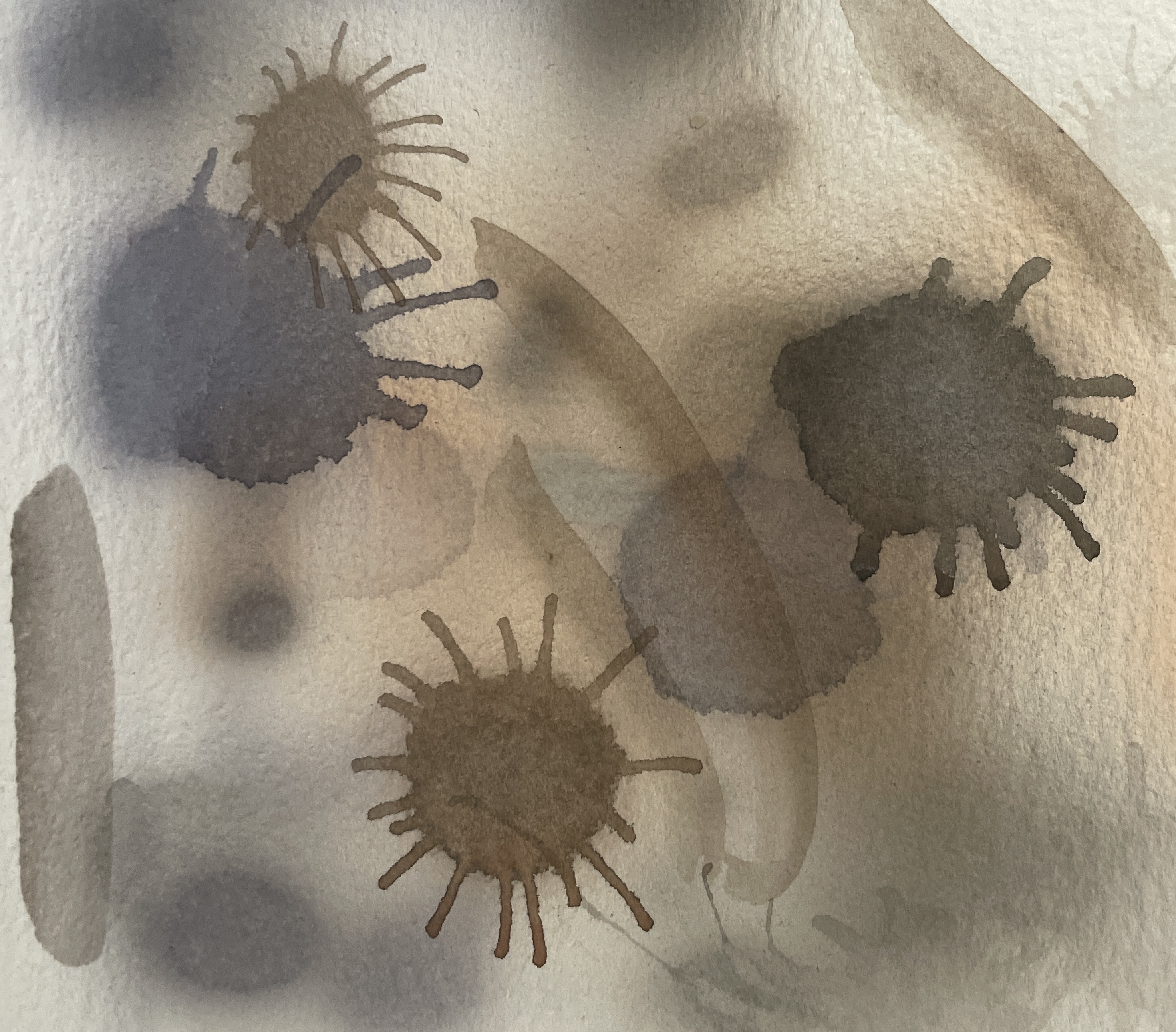
After several steps, controlling the air pressure and dilution, the result is nothing short of astonishing and beyond my expectations.
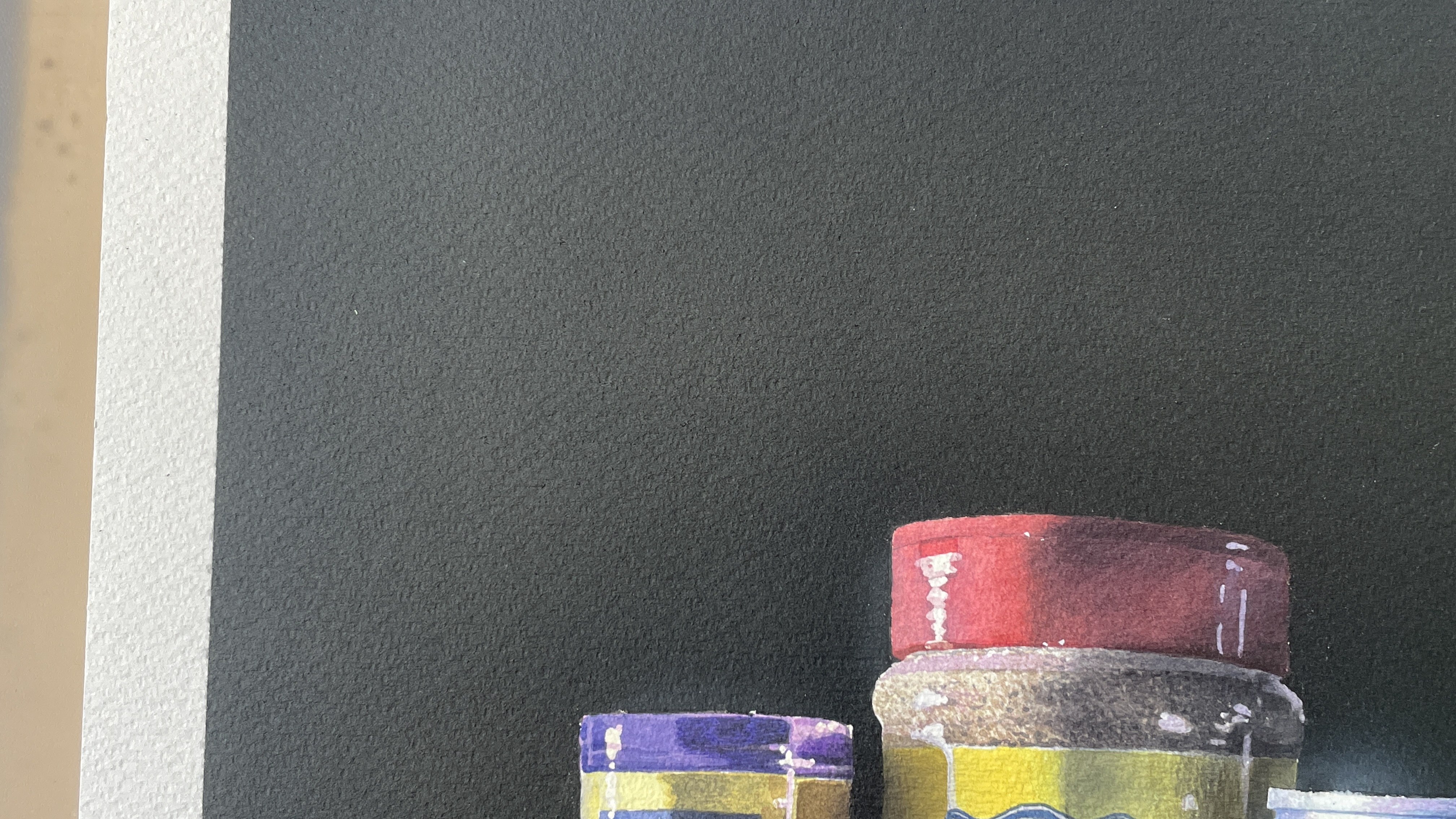
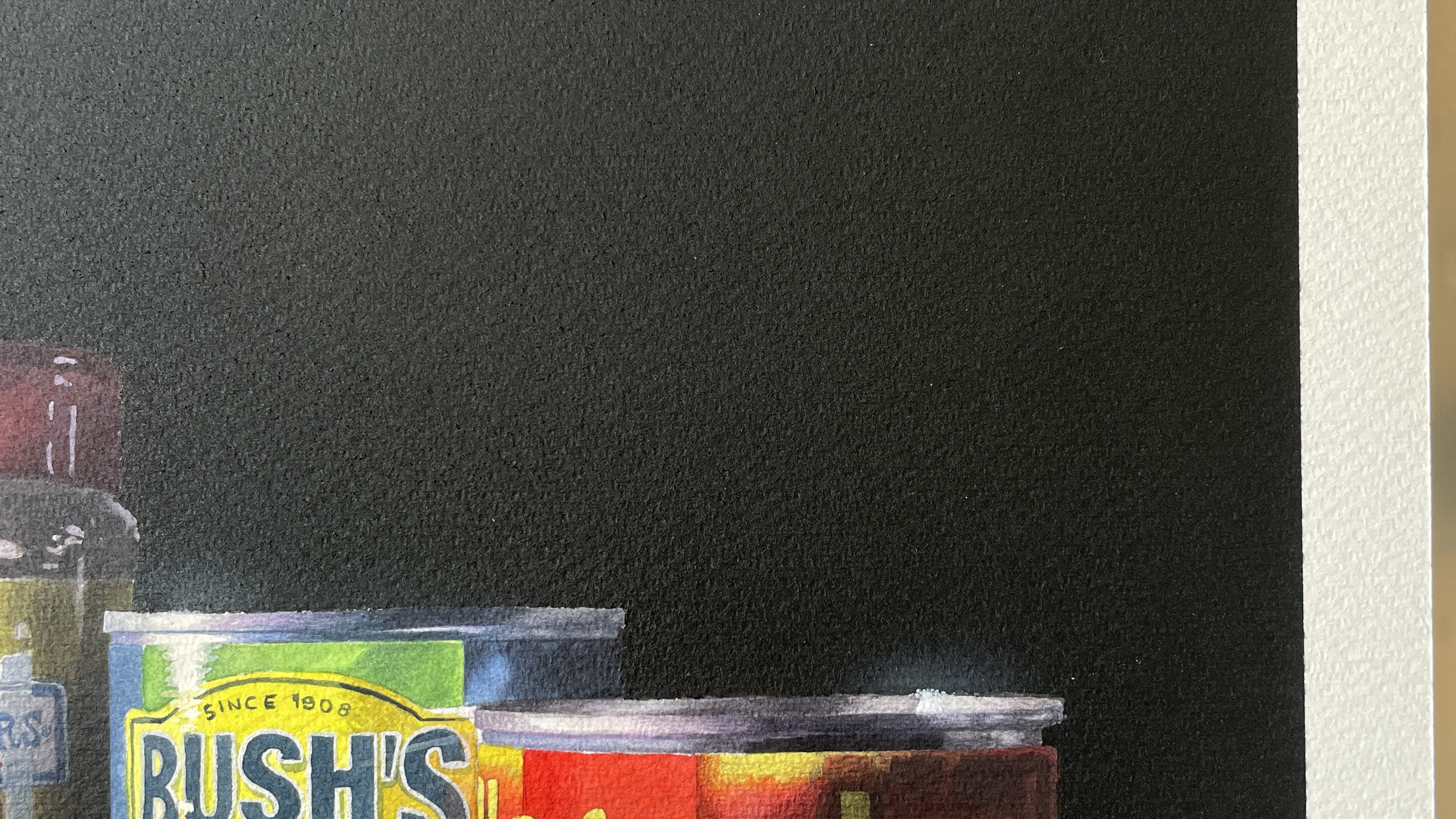
About Giovanni Balzarani

Giovanni Balzarani is an Italian painter who attended the School of Painting at the Academy of Fine Arts in Rome. He discovered the watercolor world when he was nine years old, then he explored other painting techniques during his studies. He joined the international watercolor scene and has received several awards from organizations including the Hong Kong International Watercolor Biennale, the Budapest International Watercolor Festival and Fabriano in Watercolor. His work is mainly focused on still life in the hyper-realistic style, influenced by pop-art and photorealism artists such as Andy Warhol, Ralph Goings and Chuck Close.



 EN
EN  JA
JA  FR
FR  IT
IT  DE
DE  ES
ES  NL
NL  UK
UK  VI
VI  ZH
ZH  ZH_TW
ZH_TW