

Đại sứ thương hiệu DANIEL SMITH Giovanni Balzarani Giovanni chia sẻ cách anh kết hợp màu nước với kỹ thuật phun sơn để đạt được hiệu ứng mượt mà, siêu thực. Xuất phát từ kinh nghiệm trong lĩnh vực mô hình thu nhỏ, Giovanni khám phá cách các công cụ phun sơn – vốn thường được sử dụng ngoài lĩnh vực mỹ thuật – có thể mở ra những khả năng sáng tạo mới khi kết hợp với màu nước.
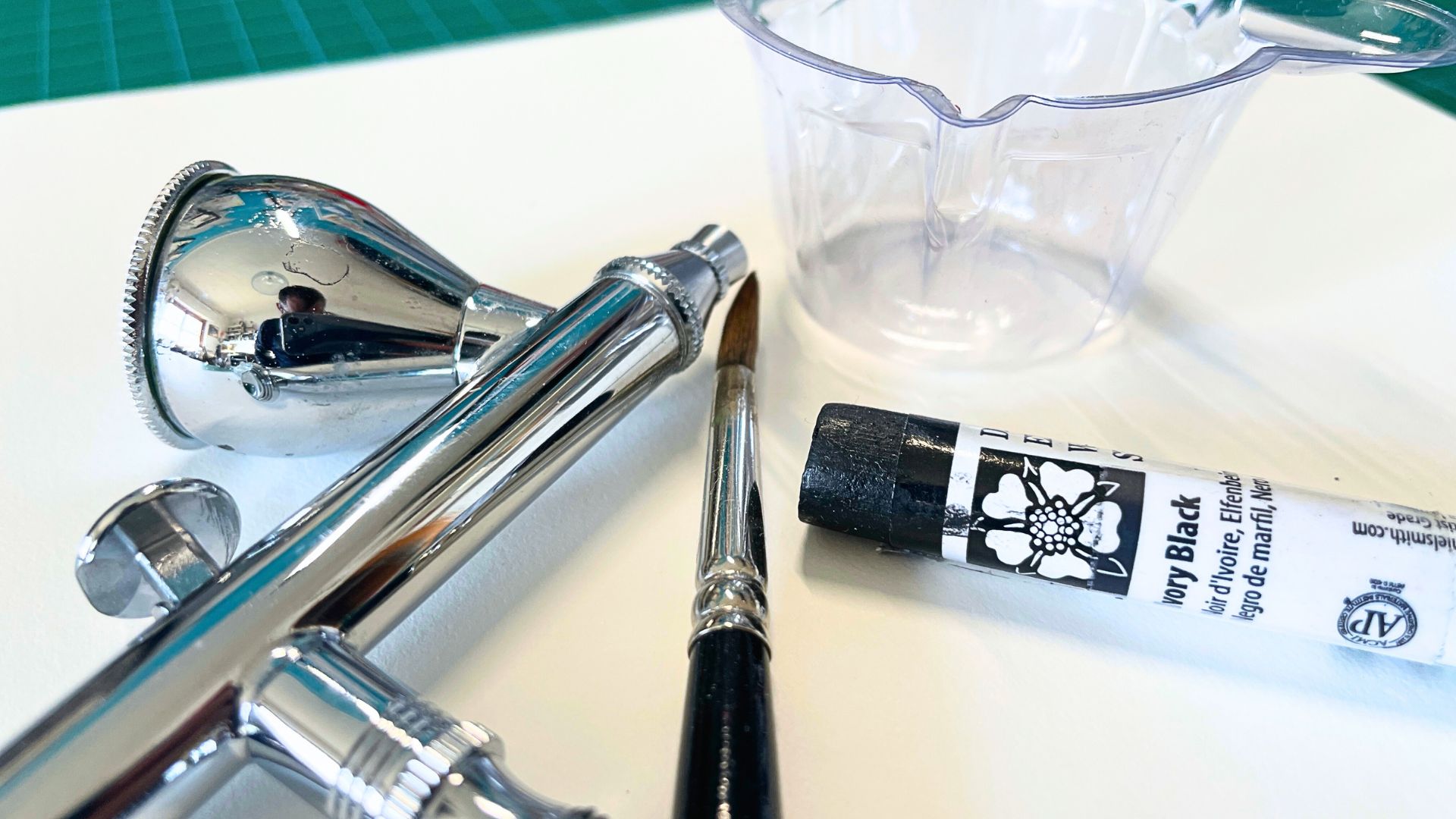
Một trong những công cụ kỹ thuật và nghệ thuật bị đánh giá thấp một cách không thể phủ nhận trong giới nghệ thuật chính là bút vẽ khí nén.
Thường được sử dụng trong các xưởng sửa chữa ô tô, sơn công nghiệp hoặc sơn phủ nói chung để đạt được lớp hoàn thiện hoàn hảo, cọ vẽ đã phát triển qua nhiều năm thành các phiên bản thu nhỏ. Những phiên bản này chủ yếu được sử dụng trong mô hình thu nhỏ để tạo ra các hiệu ứng mà đơn giản là không thể thực hiện được với cọ vẽ thông thường.
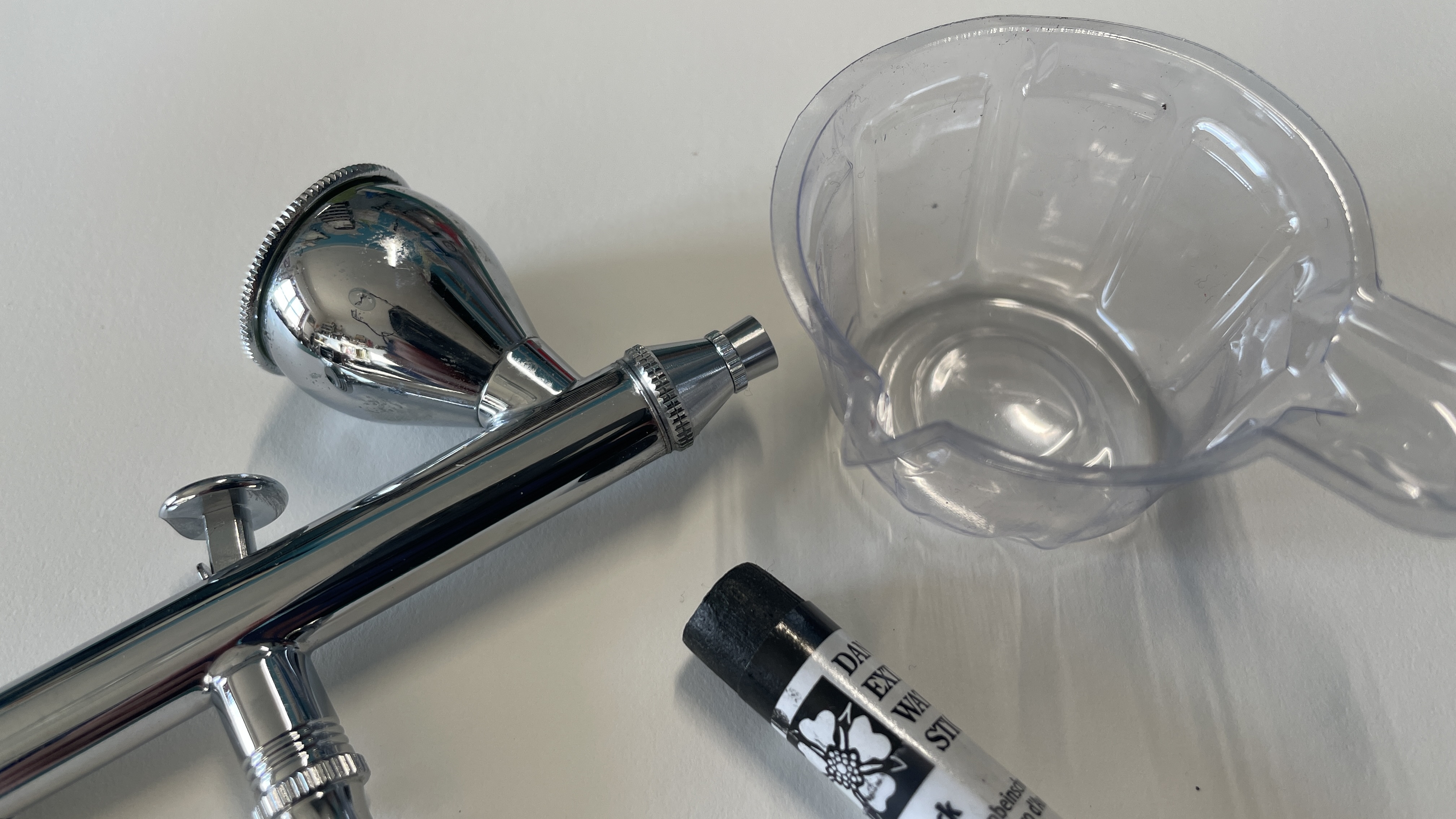
Một trong nhiều sở thích của tôi là mô hình thu nhỏ—cả mô hình điều khiển từ xa (động) và mô hình tĩnh. Tôi thường tự hỏi làm thế nào tôi có thể áp dụng kỹ thuật phun sơn vào các bức tranh màu nước hiện tại của mình.
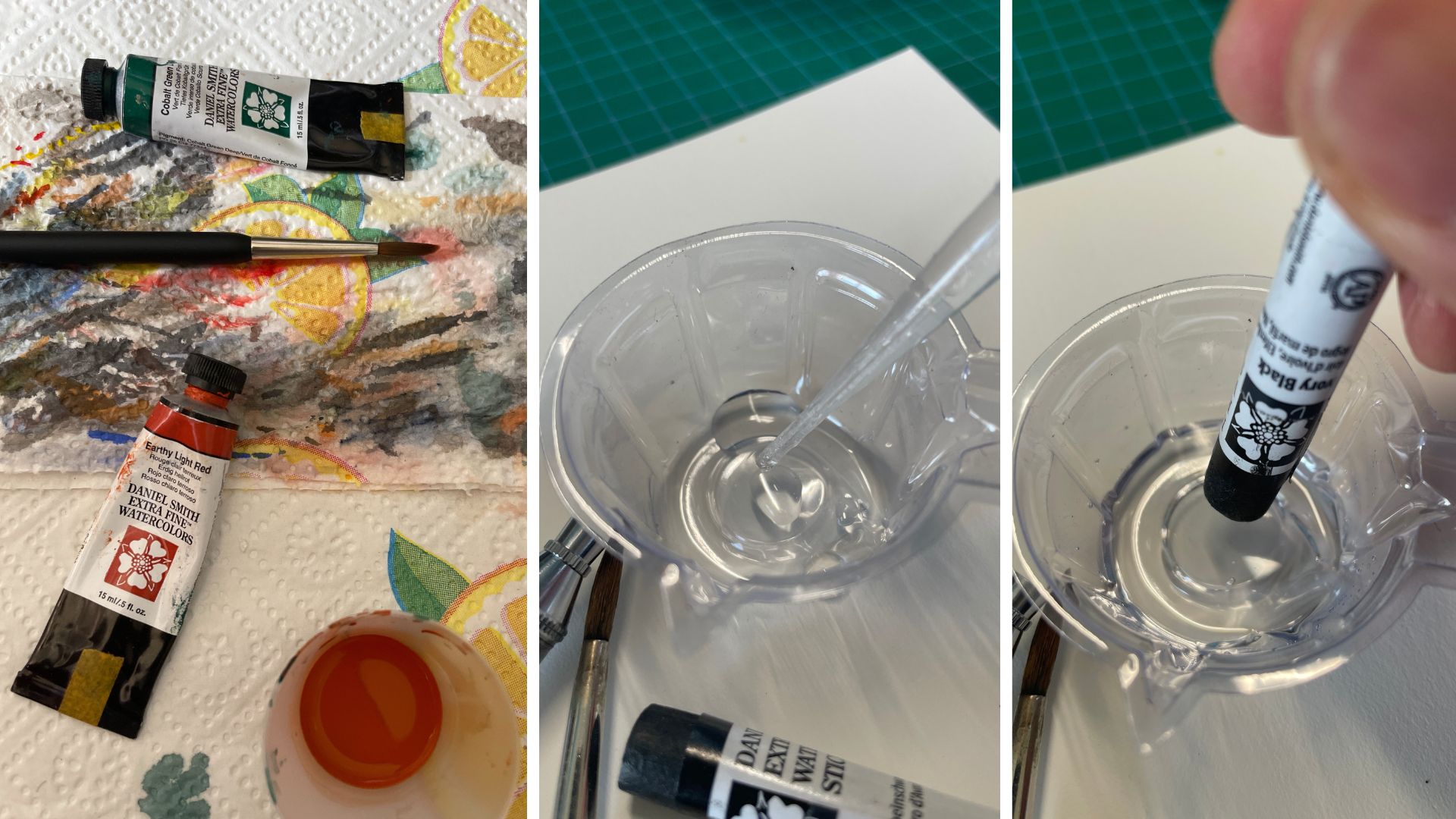
Kỹ thuật này thực sự rất phù hợp, vì súng phun sơn cần một dung dịch pha loãng rất lỏng để hoạt động đúng cách; tỷ lệ pha loãng tốt ban đầu là 70/30 (dung môi 70% với sơn 30%).
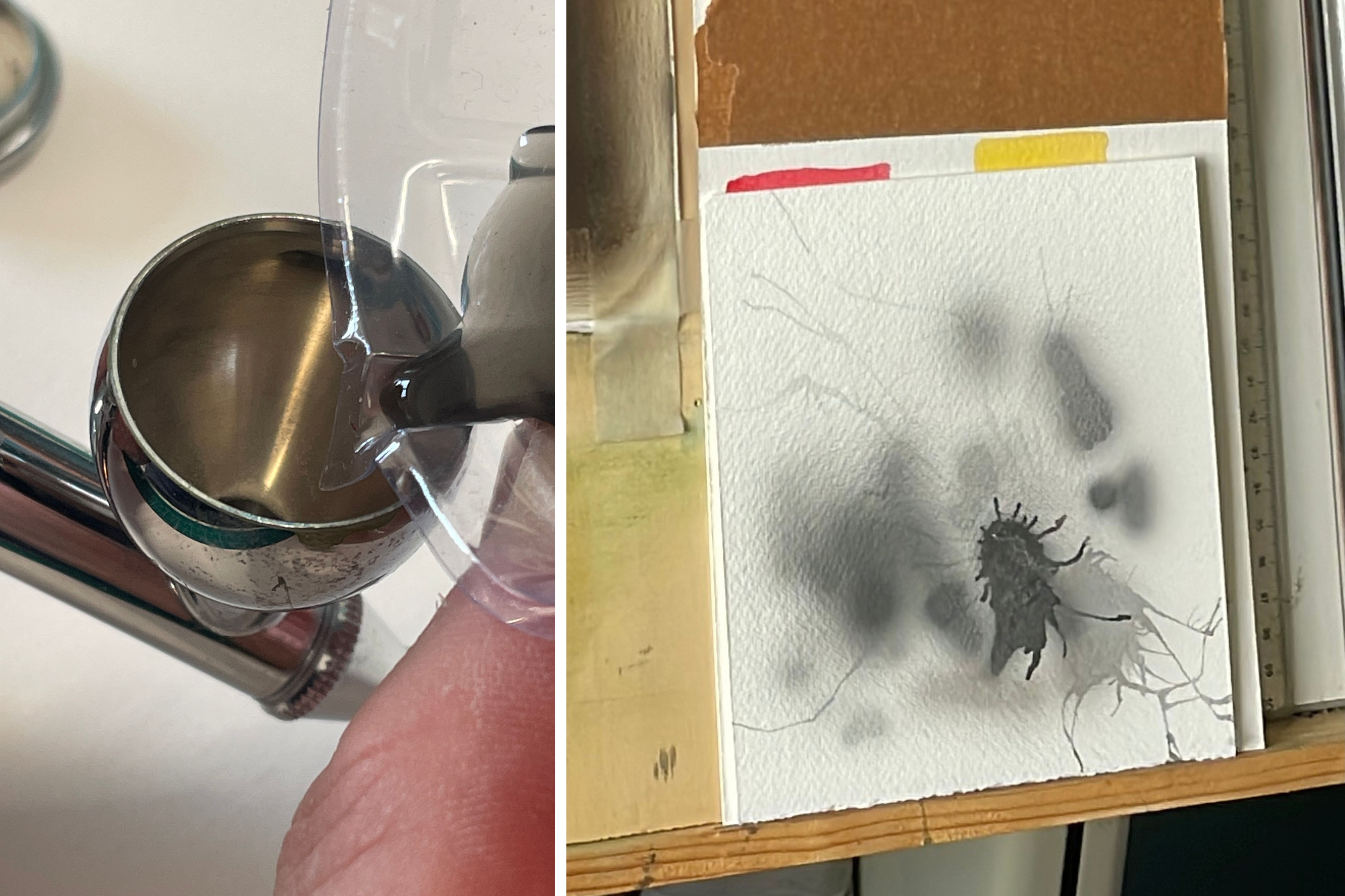
Sau khi pha loãng, tôi đổ toàn bộ vào bình phun sơn và tiến hành phun thử để kiểm tra độ pha loãng.
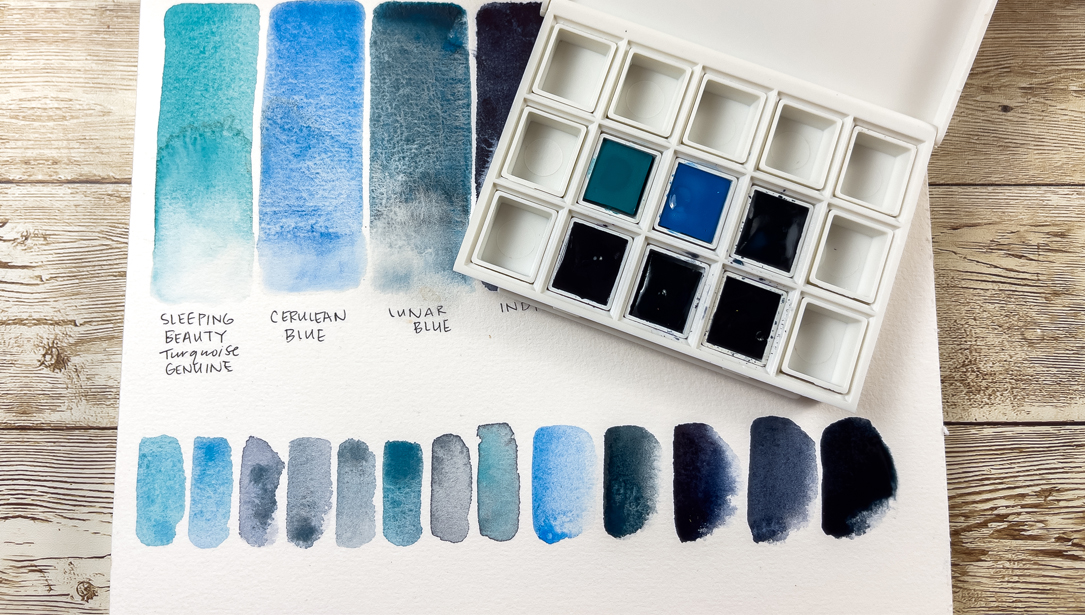
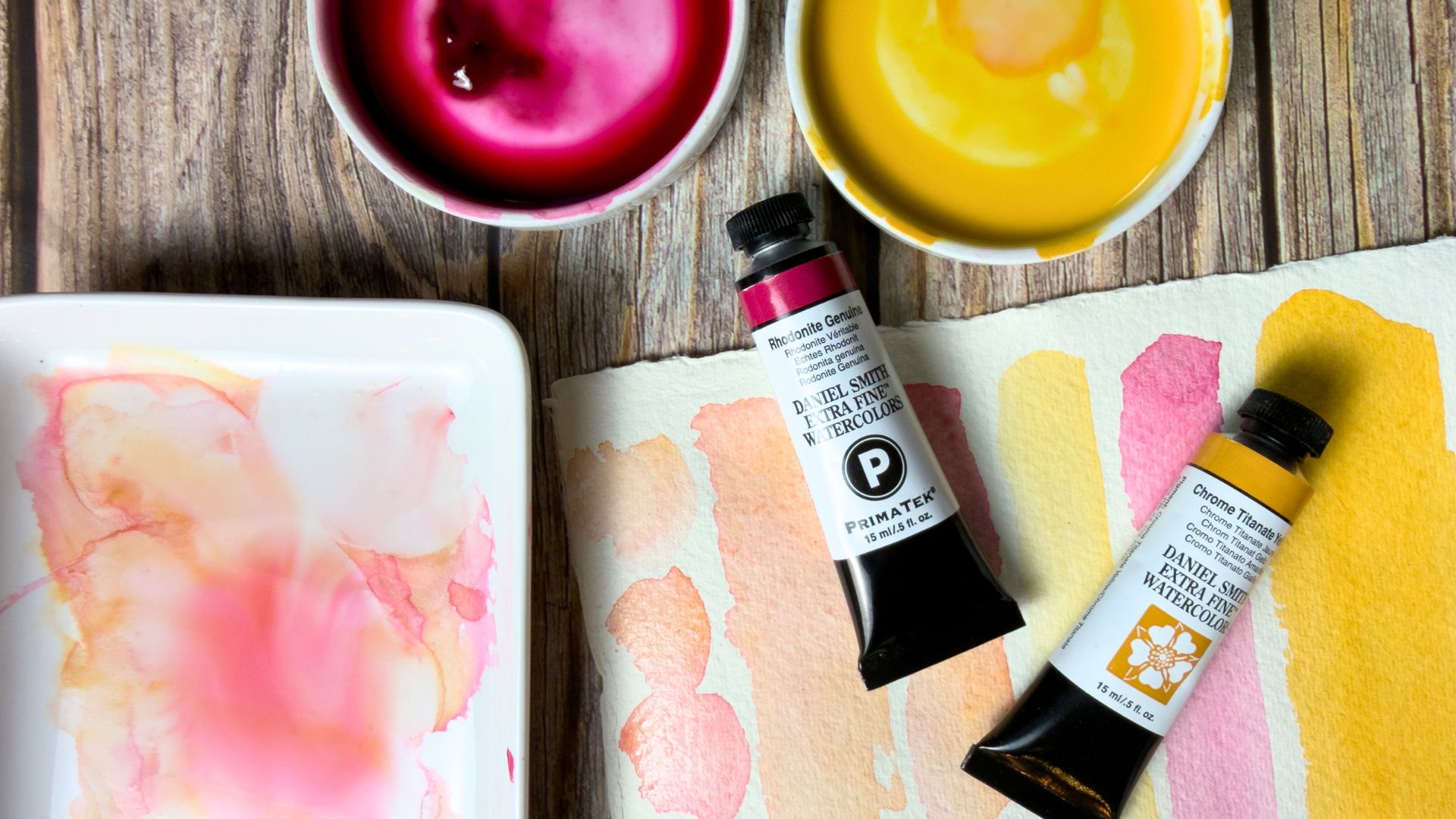
Đối với các tác phẩm mới nhất của mình, tôi đã sử dụng Que màu nước DANIEL SMITH Vì chúng giàu sắc tố và dễ pha loãng, nên rất phù hợp với phương pháp này.
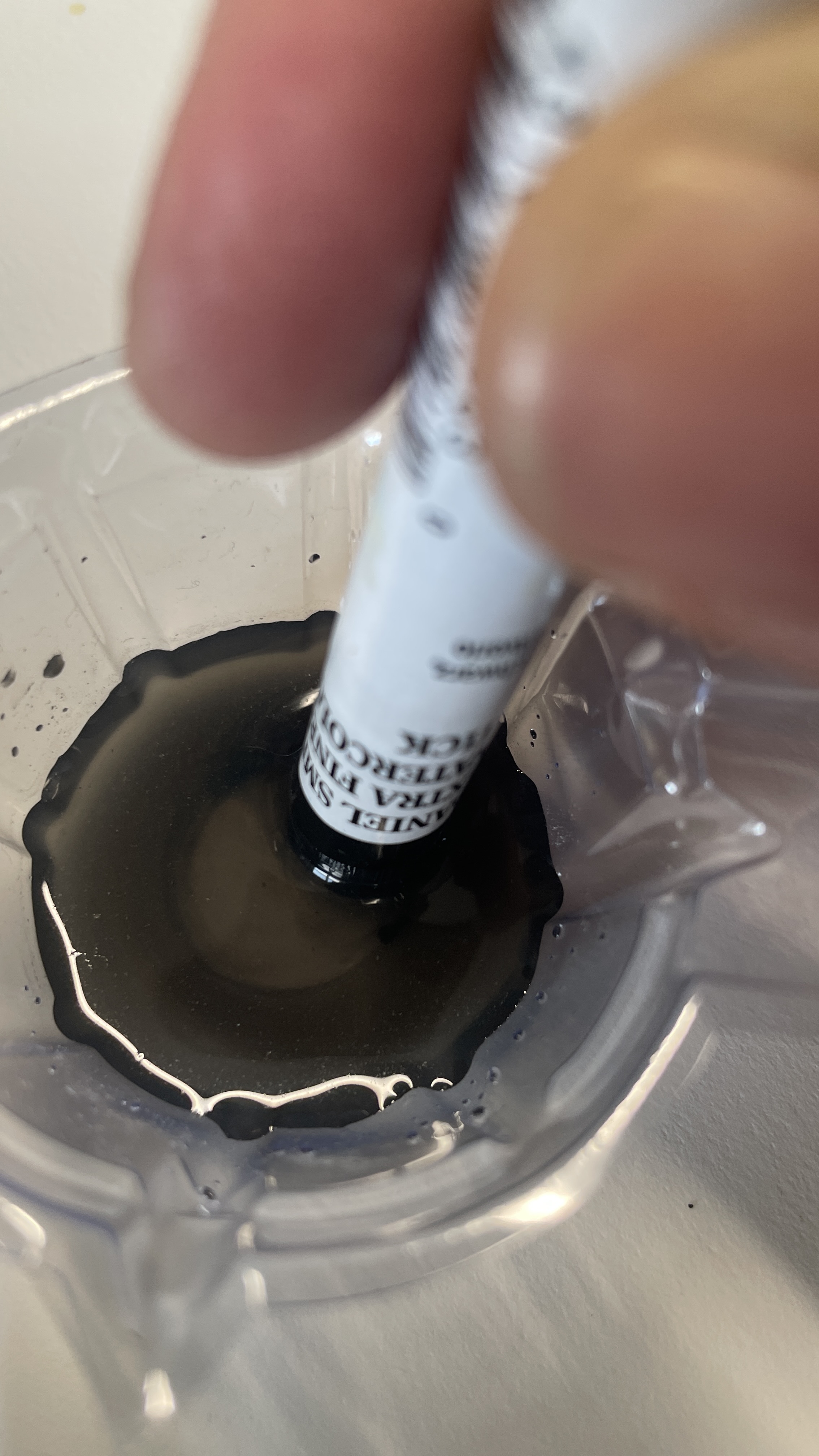
Một thành phần thiết yếu của kỹ thuật này là che phủ.
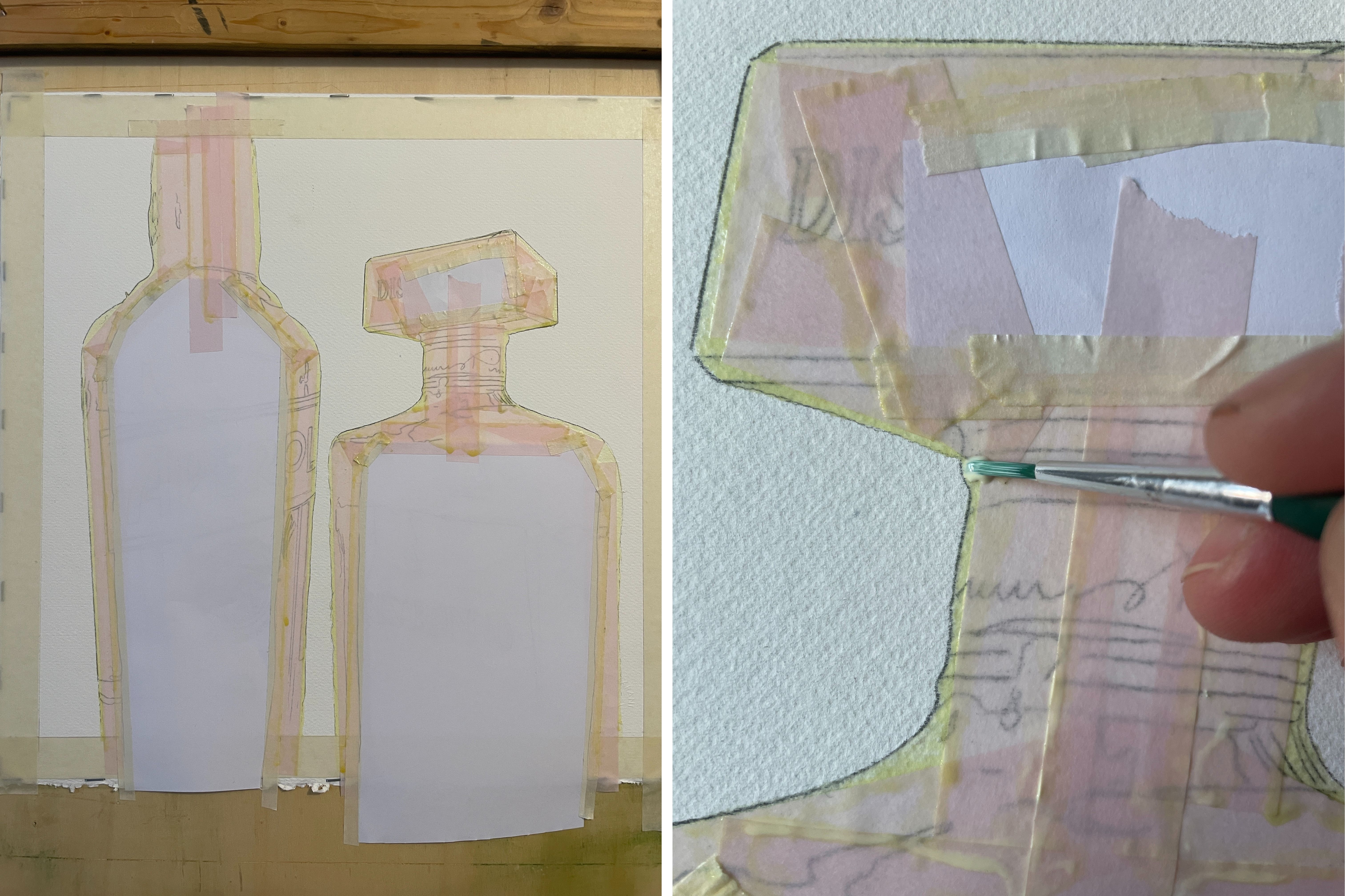
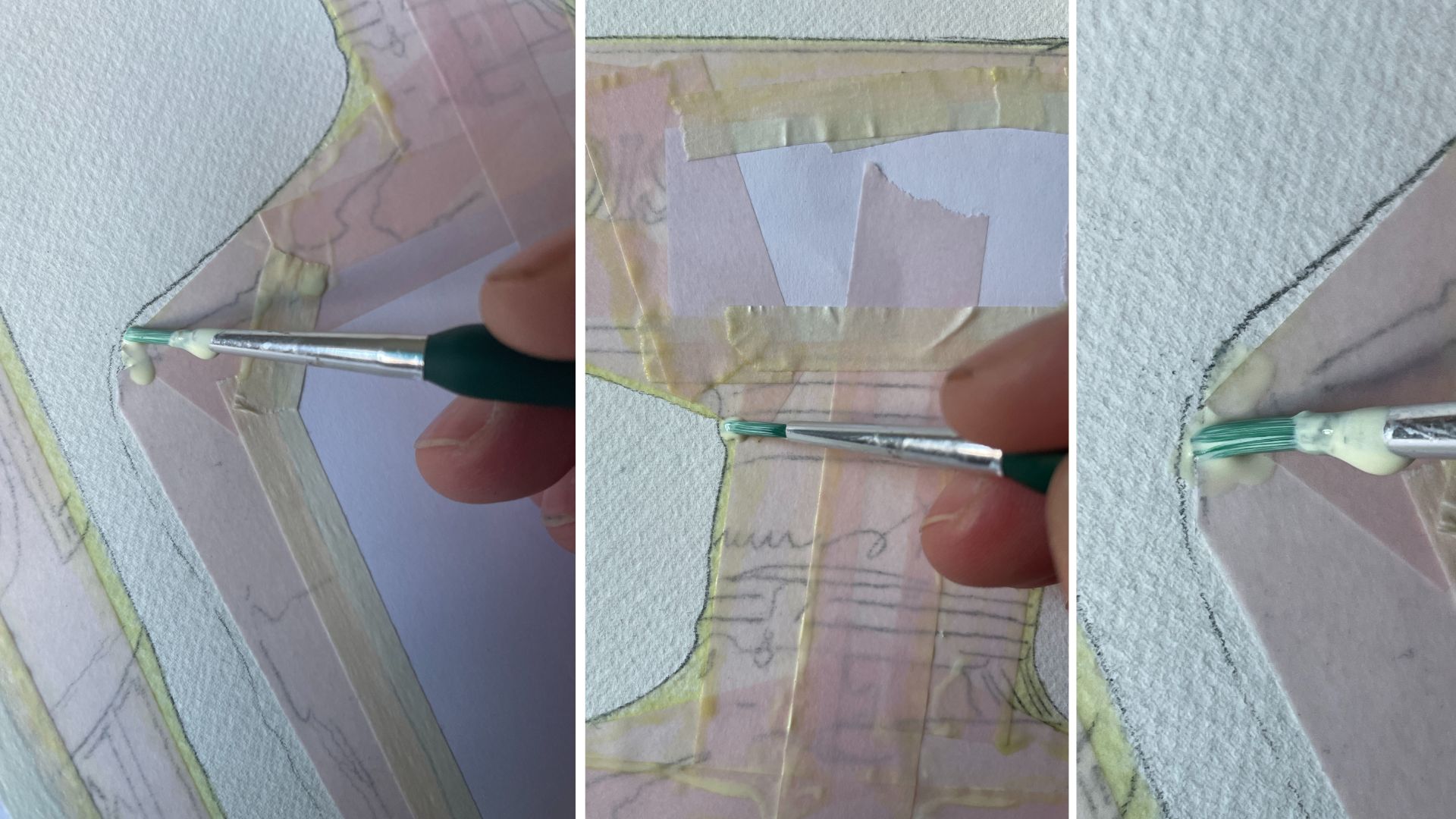
Việc này được thực hiện bằng cách sử dụng băng keo che phủ có độ bám dính thấp và Chất lỏng che phủ Để bịt kín cẩn thận mọi khe hở.
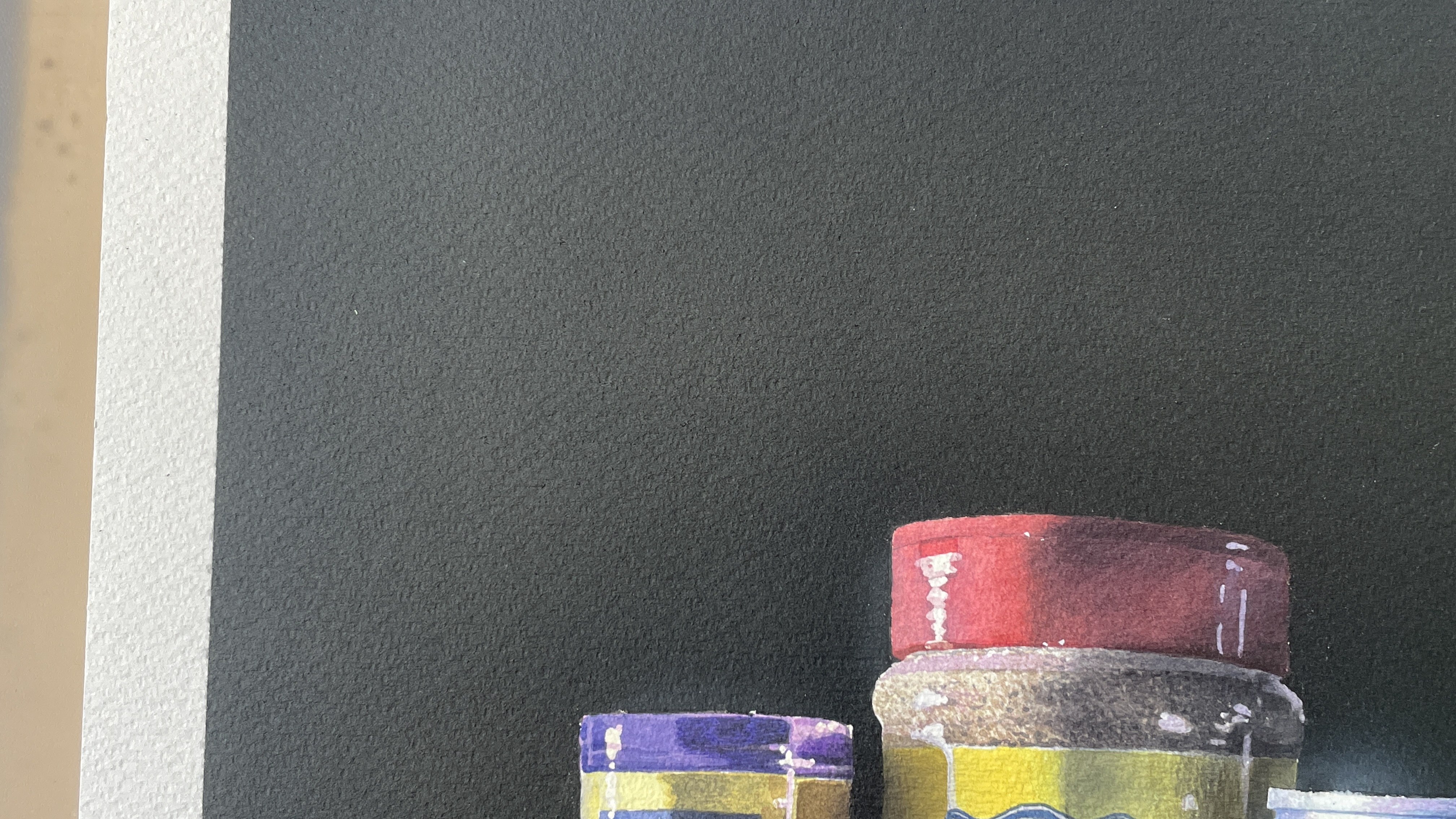
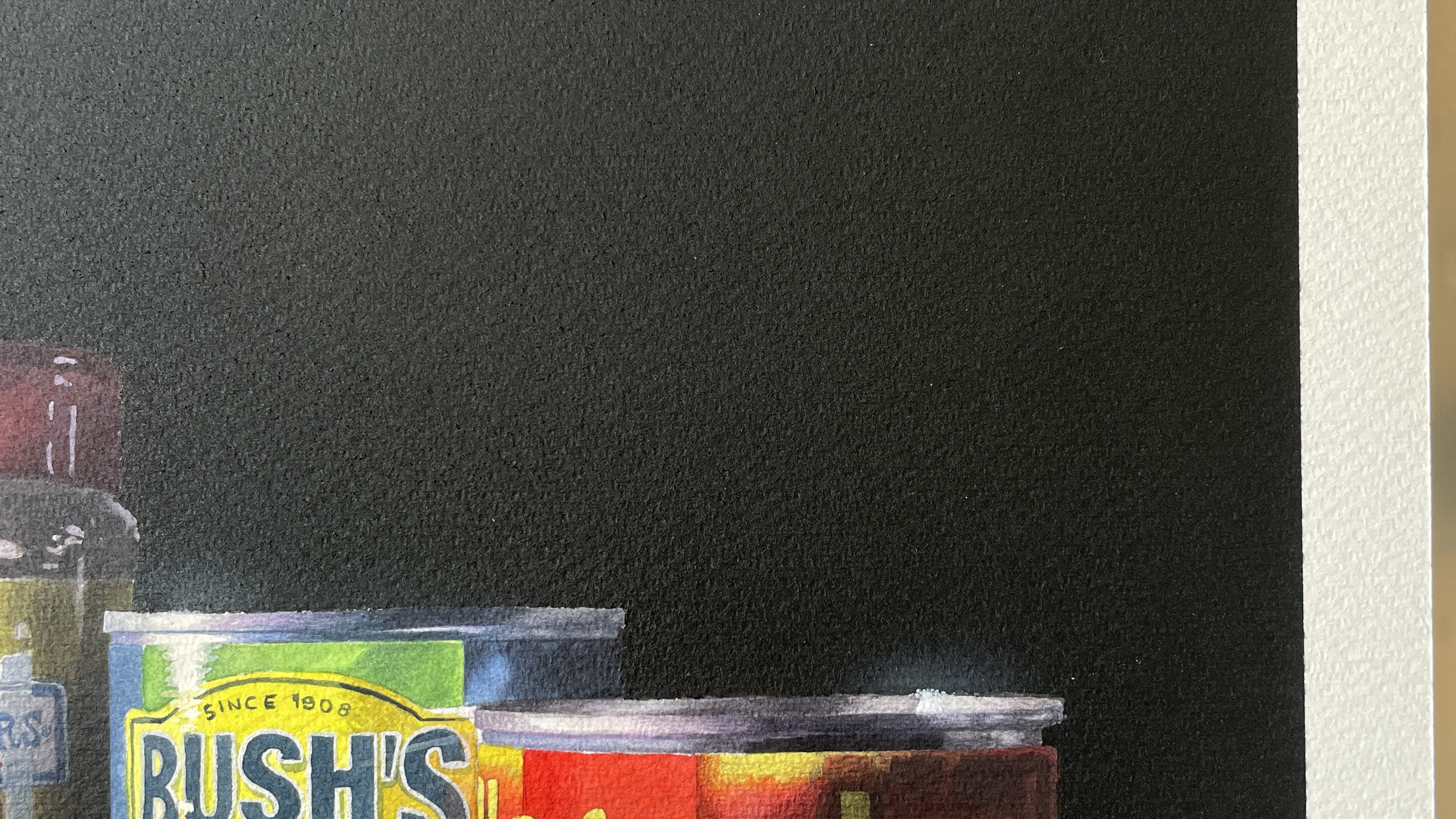
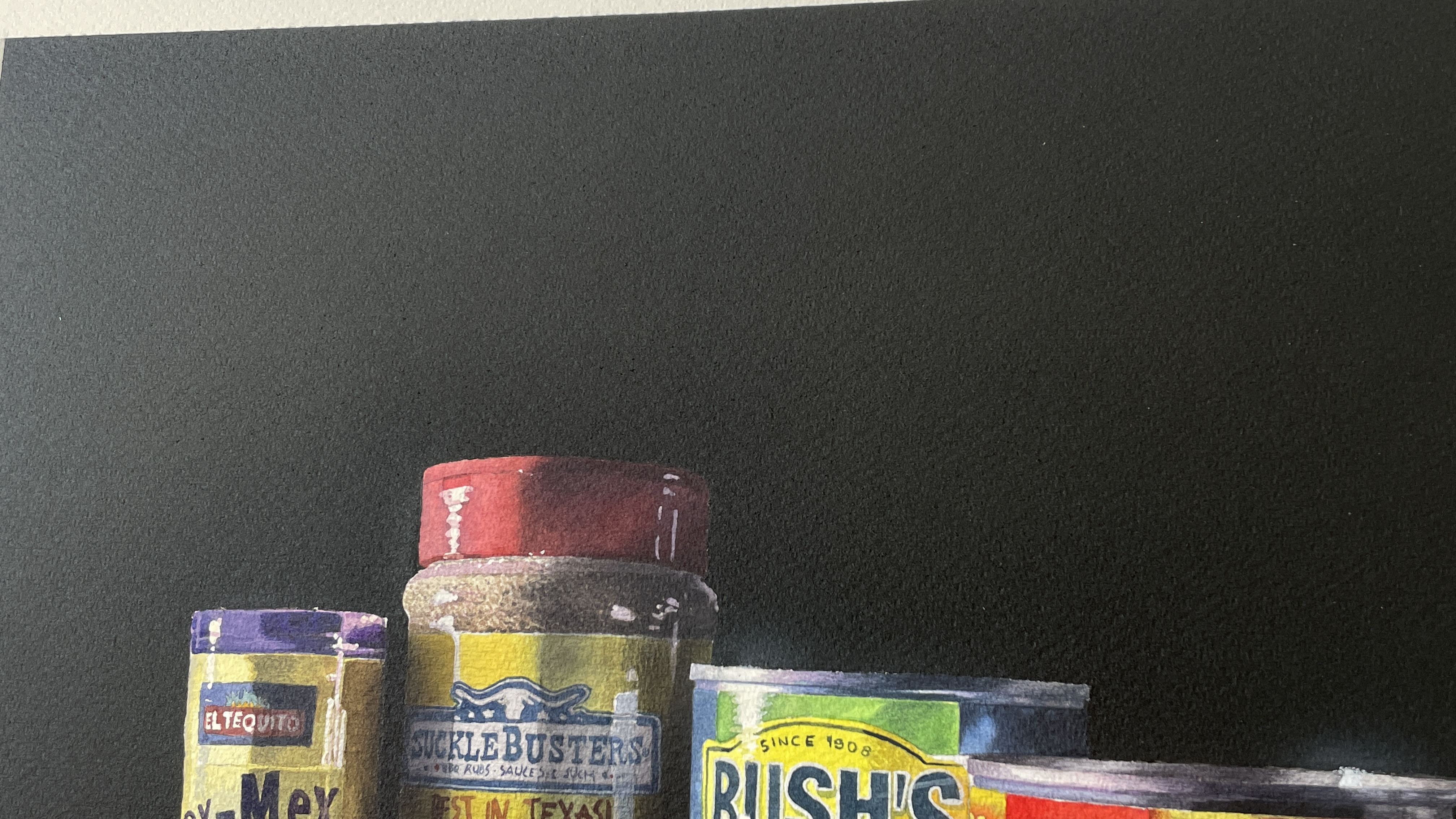
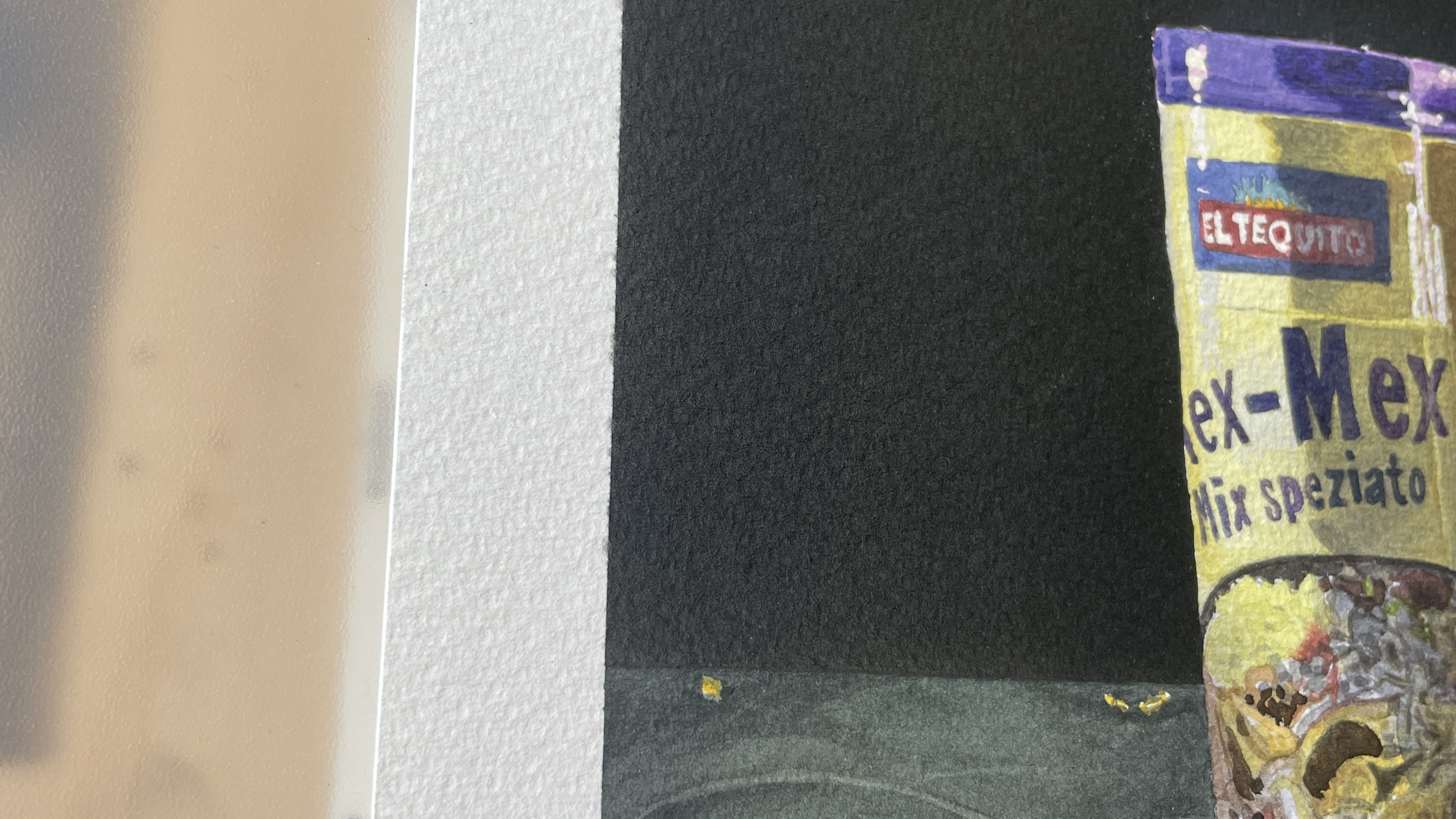
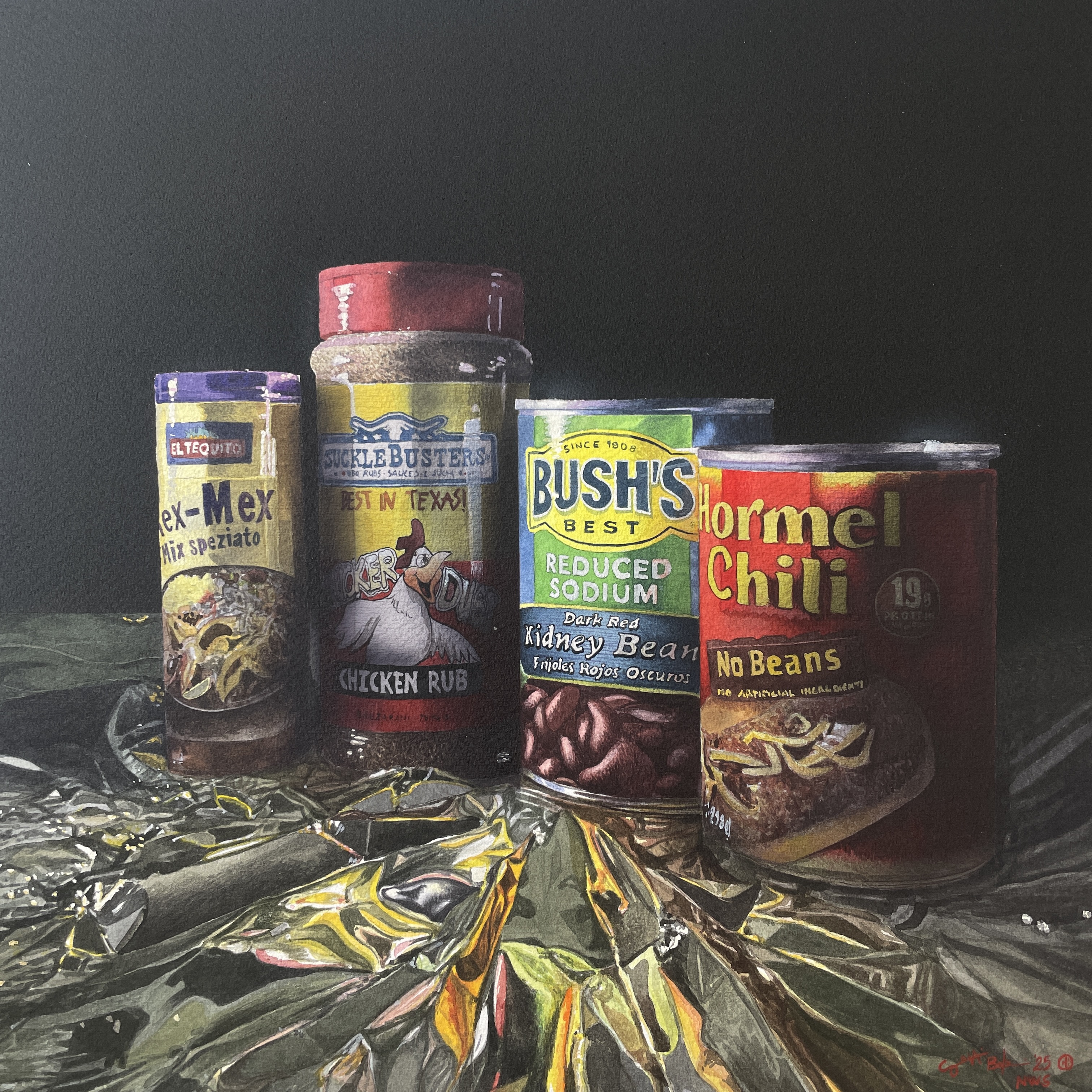
Ý tưởng sử dụng súng phun sơn xuất phát từ mong muốn tạo ra một phông nền hoàn hảo, đồng nhất mà không có bất kỳ nét cọ nào có thể nhìn thấy, trong quá trình tôi nghiên cứu kỹ thuật vẽ màu nước siêu thực độ phân giải cao.
Trước khi đạt được màu đen đều hoàn hảo, tôi đã áp dụng nhiều lớp màu xám với các màu sắc phù hợp với hình ảnh tham khảo.
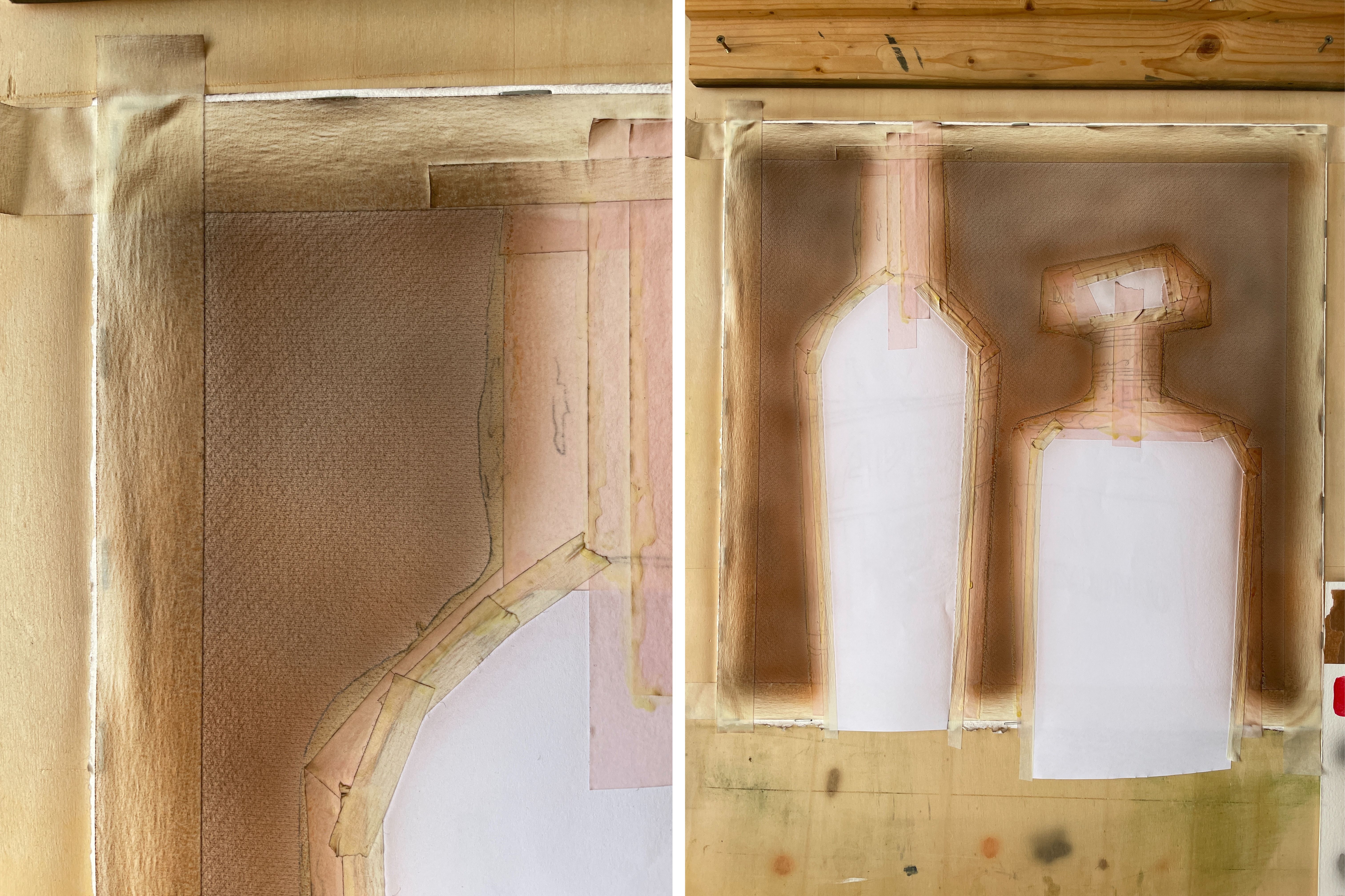
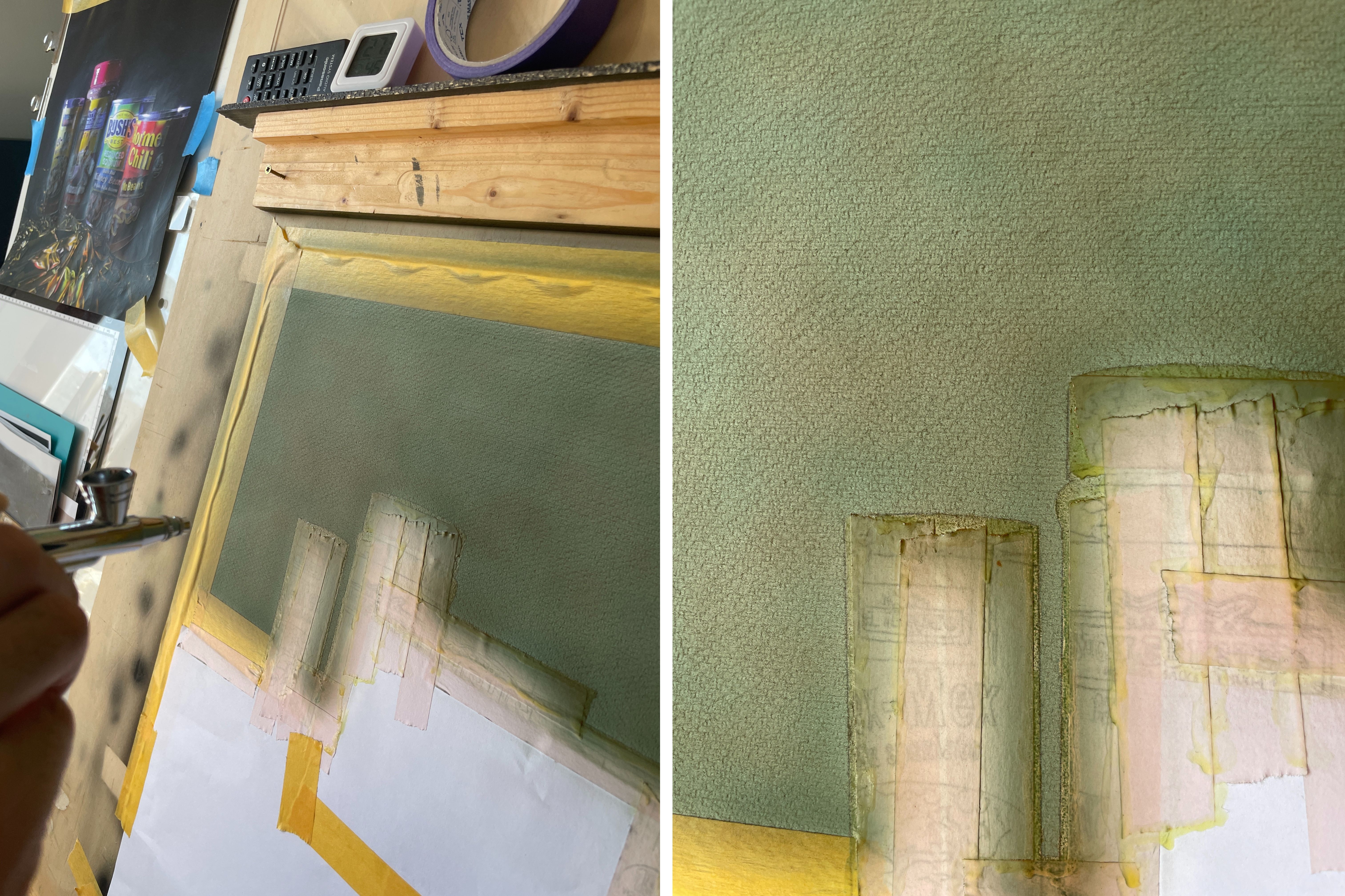

Sau nhiều bước, kiểm soát áp suất không khí và độ pha loãng, kết quả thu được thật đáng kinh ngạc và vượt xa mong đợi của tôi.
Giới thiệu về Giovanni Balzarani

Giovanni Balzarani là một họa sĩ người Ý đã theo học Trường Hội họa tại Học viện Mỹ thuật ở Rome. Ông đã khám phá ra thế giới màu nước khi mới chín tuổi, sau đó ông đã khám phá các kỹ thuật vẽ khác trong quá trình học tập của mình. Ông đã tham gia vào bối cảnh màu nước quốc tế và đã nhận được một số giải thưởng từ các tổ chức bao gồm Triển lãm màu nước quốc tế Hong Kong, Liên hoan màu nước quốc tế Budapest và Fabriano in Watercolor. Các tác phẩm của ông chủ yếu tập trung vào tĩnh vật theo phong cách siêu thực, chịu ảnh hưởng của các nghệ sĩ theo trường phái nghệ thuật đại chúng và chủ nghĩa hiện thực như Andy Warhol, Ralph Goings và Chuck Close.



 EN
EN  JA
JA  FR
FR  IT
IT  DE
DE  ES
ES  NL
NL  UK
UK  VI
VI  ZH
ZH  ZH_TW
ZH_TW