












Was erweckt ein abstraktes Aquarellgemälde erst richtig zum Leben?
Abstrakte Aquarellmalerei ist ein feines Gleichgewicht zwischen Intention und Hingabe – ein Dialog zwischen Künstler, Pigment und der Schönheit des Wassers. In diesem Interview spricht Besnik Xhemaili über seinen kreativen Ansatz zur abstrakten Malerei, die Rolle der DANIEL SMITH Aquarellfarben in seinem Werk und die Erkenntnisse, die seinen künstlerischen Werdegang geprägt haben.
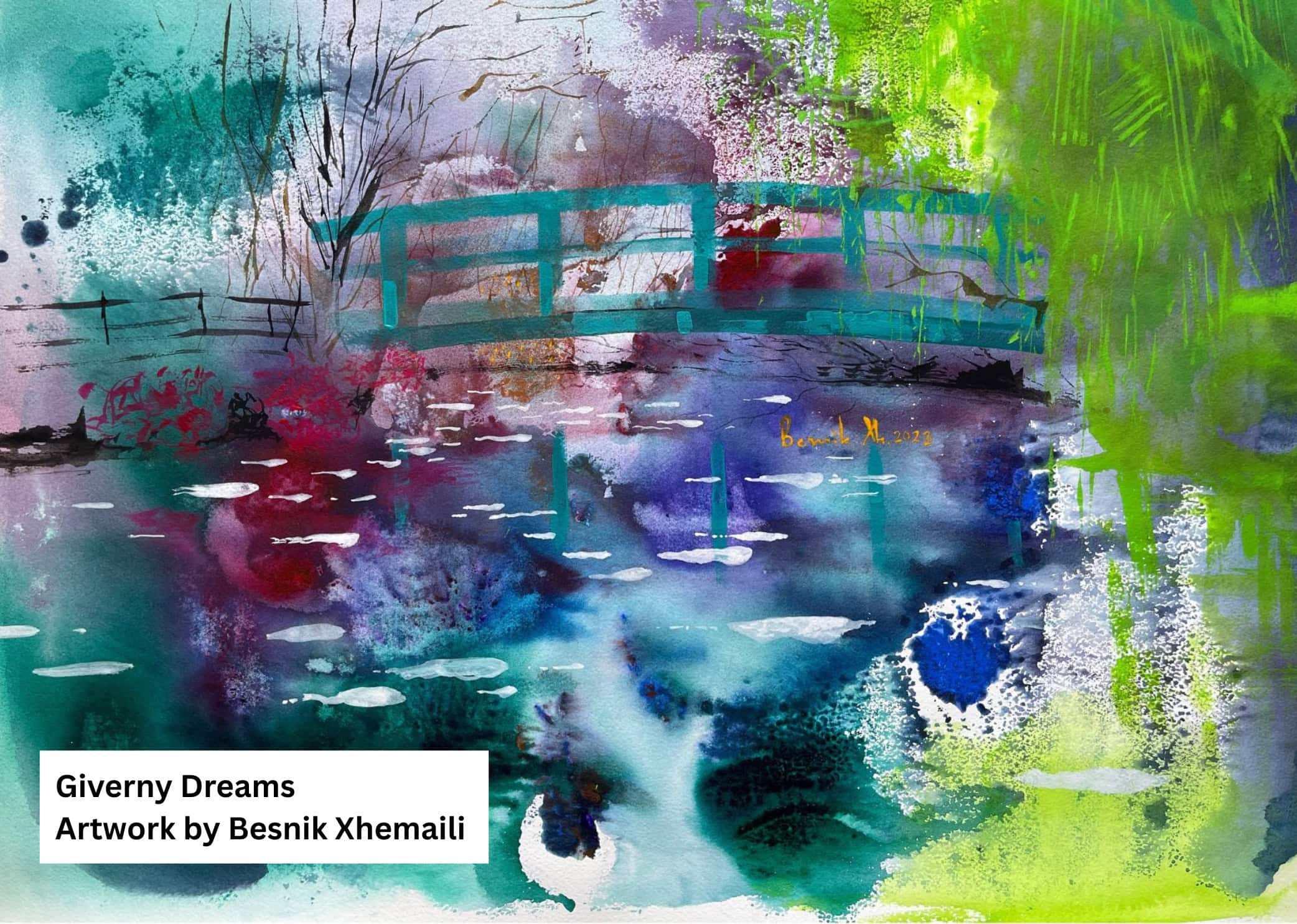
Wie haben Sie Ihren abstrakten Aquarellstil entwickelt, und welche Rolle spielen Farbe, Textur und Komposition beim Ausdruck von Emotionen und Bewegung in Ihren Gemälden?
Mein abstrakter Aquarellstil ist nichts, was ich bewusst erfunden habe – er entwickelte sich ganz natürlich über Jahre des Malens, Experimentierens und des wachsenden Vertrauens zum Medium. Aquarell hat seine eigene Intelligenz. Anstatt zu versuchen, sie zu beherrschen, lernte ich, mit ihr zusammenzuarbeiten.
Für mich ist Farbe Ausdruck von Emotion, bevor sie Form annimmt. Eine einzige Farbe kann die psychologische Atmosphäre eines Gemäldes völlig verändern. Textur entsteht durch das freie Zusammenwirken von Wasser, Pigment und Papier, wodurch unerwartete, nicht planbare Details sichtbar werden. Die Komposition bildet die unsichtbare Struktur, die diese Freiheit im Gleichgewicht hält. Selbst in meinen spontansten Arbeiten findet jede Bewegung letztendlich ihren Platz in einem bewusst gestalteten visuellen Rhythmus.
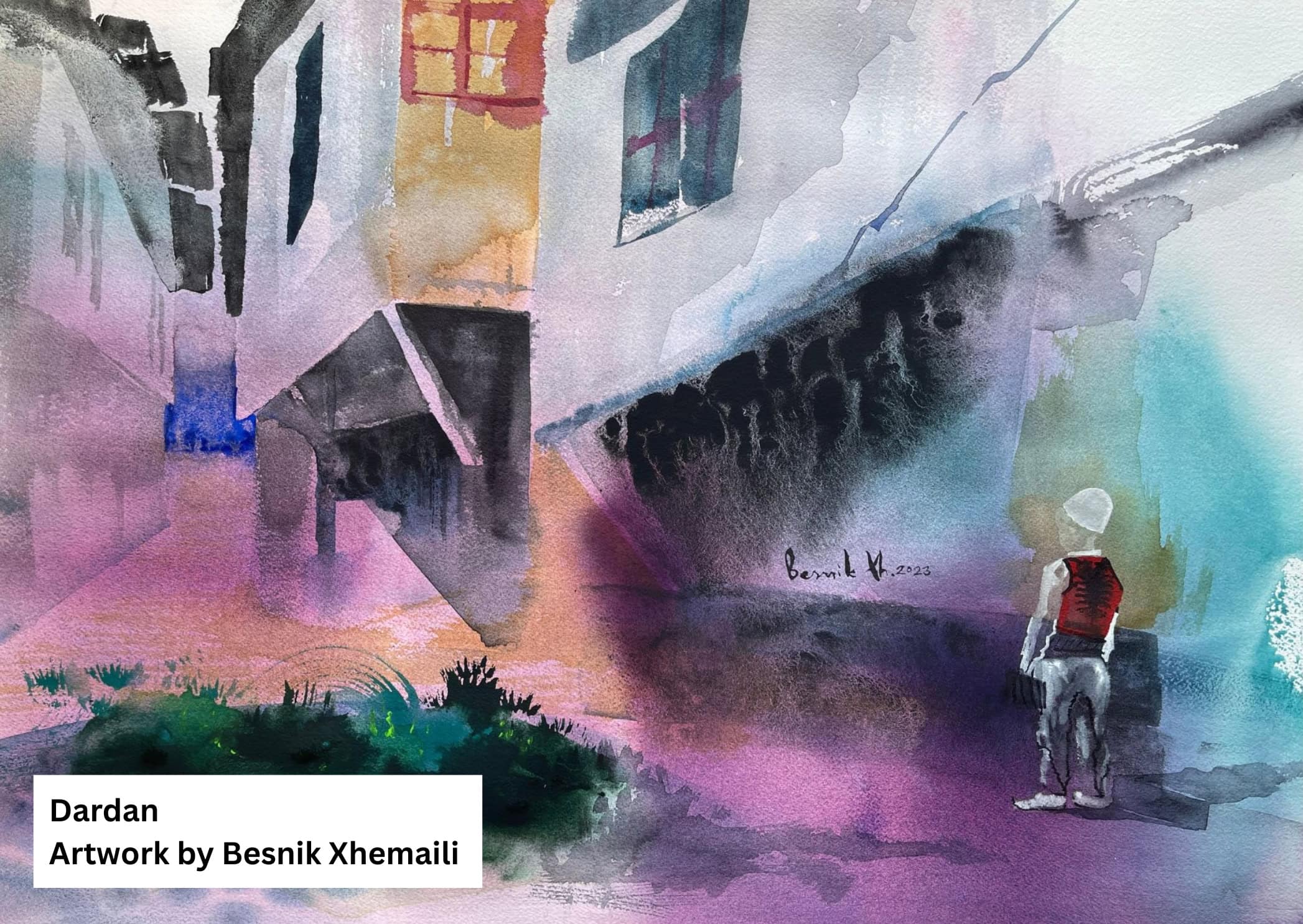
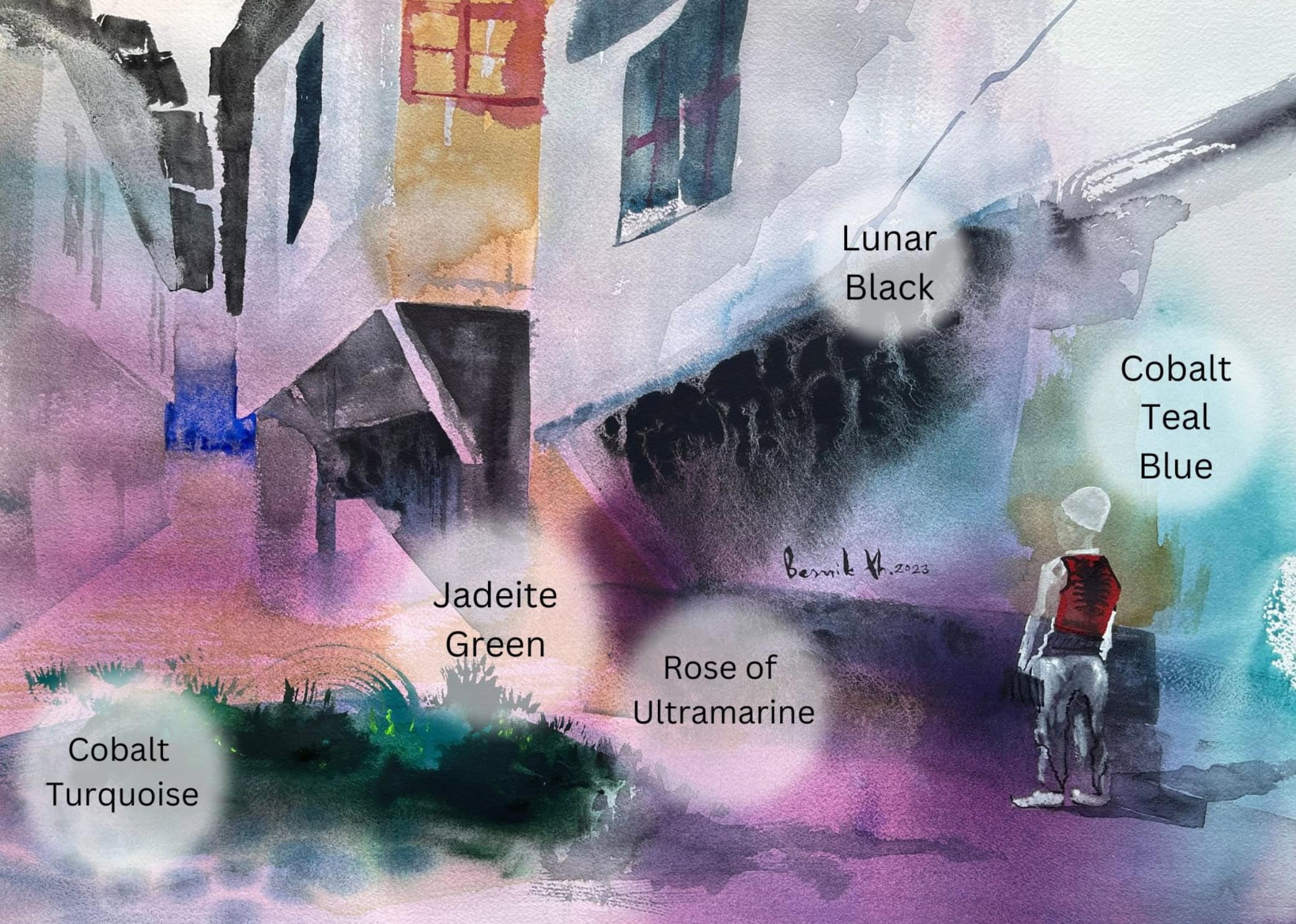
Wie haben die Aquarelle von DANIEL SMITH Ihren kreativen Prozess beeinflusst, und auf welche Pigmente oder Farbkombinationen greifen Sie in Ihren abstrakten Arbeiten am häufigsten zurück?
Die Aquarellfarben von DANIEL SMITH haben meine Möglichkeiten erweitert, da sie mir die Arbeit mit außergewöhnlicher Pigmentstärke, Transparenz und Granulierung ermöglichen. Sie reagieren wunderbar auf Wasser, und diese Reaktionsfähigkeit ist in der abstrakten Malerei unerlässlich, wo subtile Wechselwirkungen oft die bedeutungsvollsten Momente darstellen.
Ich denke selten nur an meine Lieblingsfarben. Vielmehr denke ich an die Beziehungen zwischen den Farben. Oft greife ich auf Kombinationen aus satten Erdpigmenten und leuchtenden, modernen Farben zurück – so erzeugen warme und kühle Töne gleichzeitig Spannung und Harmonie. Granulierende Pigmente sind besonders wertvoll, da sie eine natürliche Komplexität einbringen, die künstlich nicht nachgebildet werden kann.
Die Qualität des Pigments gibt mir das Vertrauen, kühn zu arbeiten und gleichzeitig die für die Aquarellmalerei notwendige Feinheit zu bewahren.
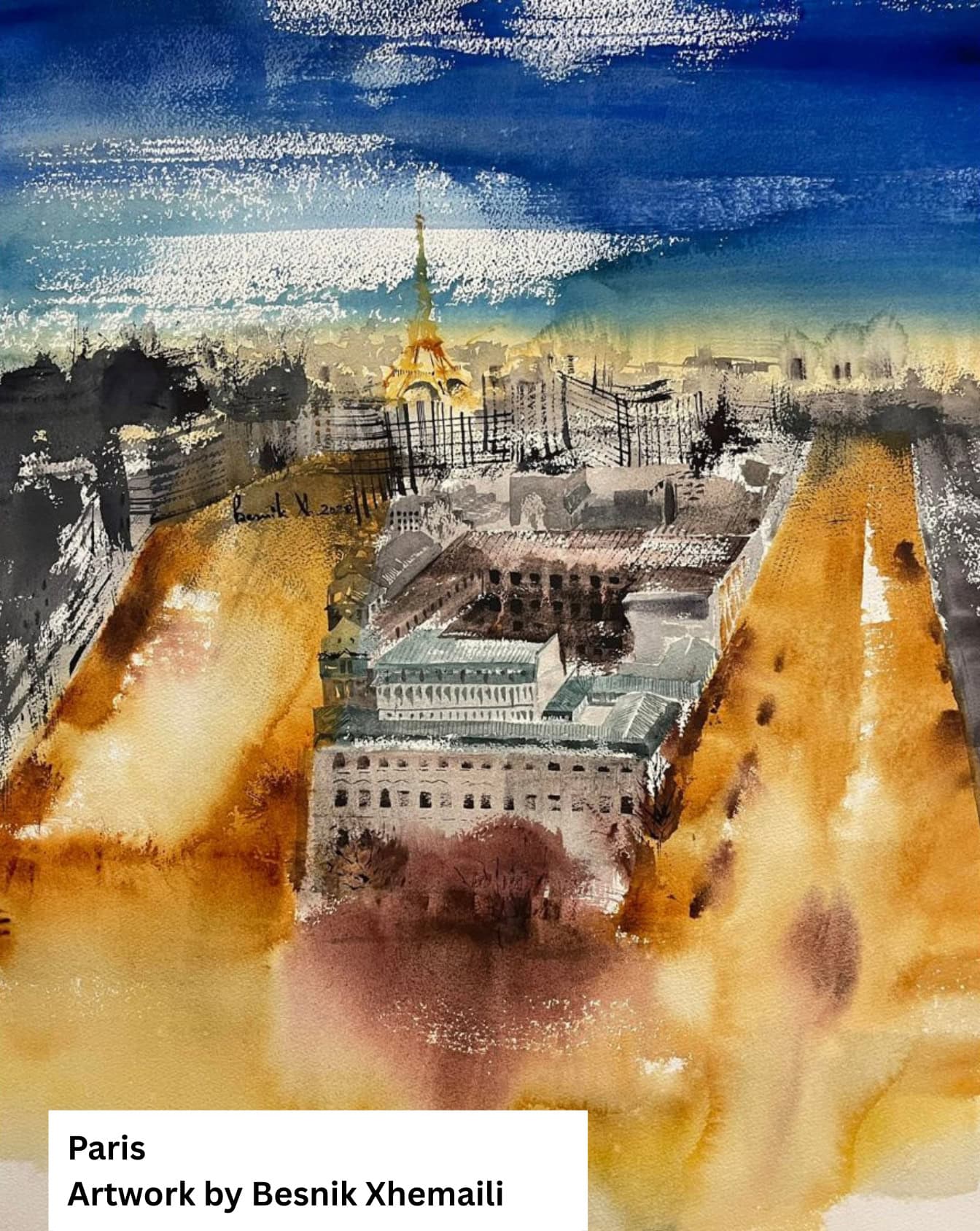
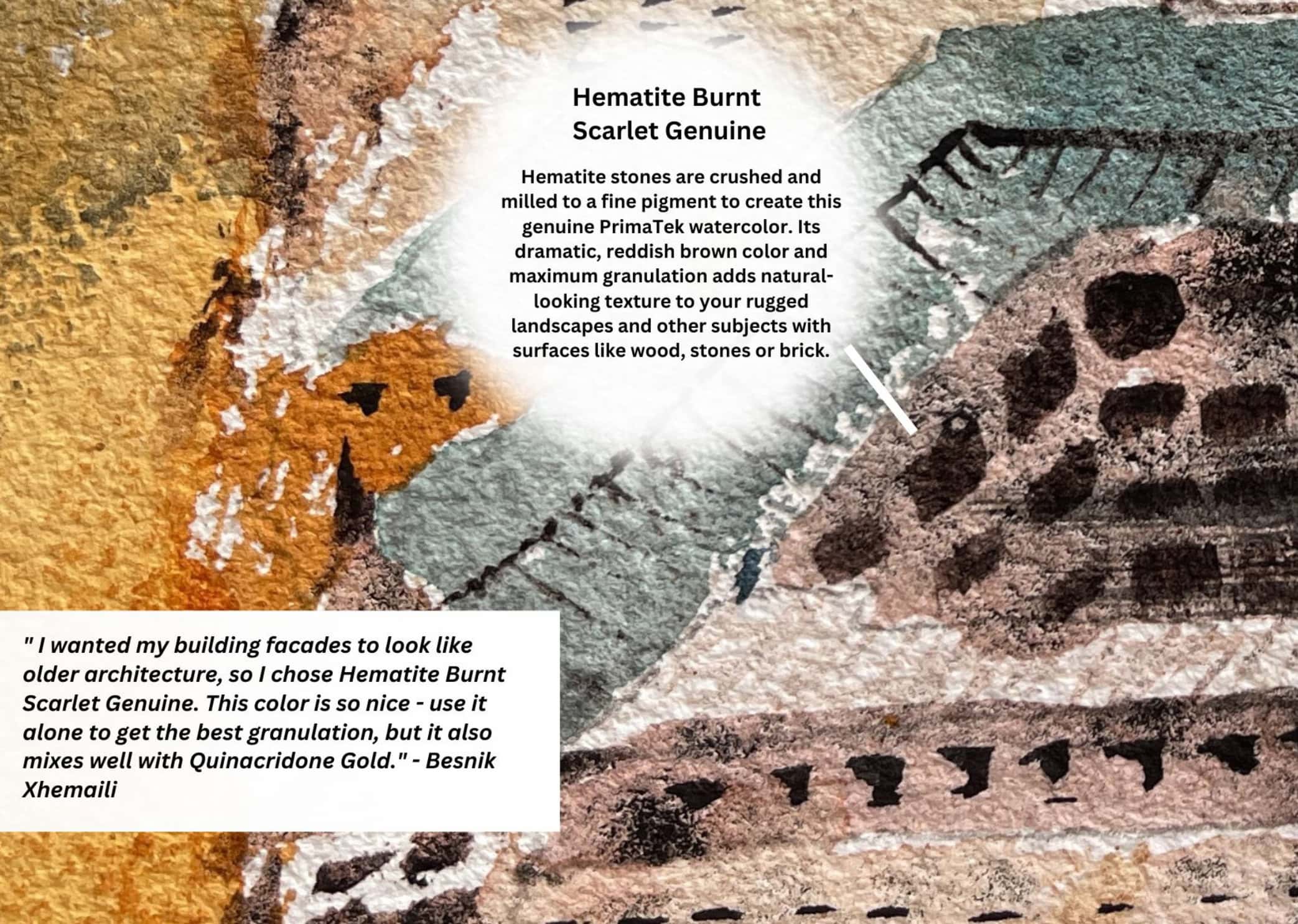
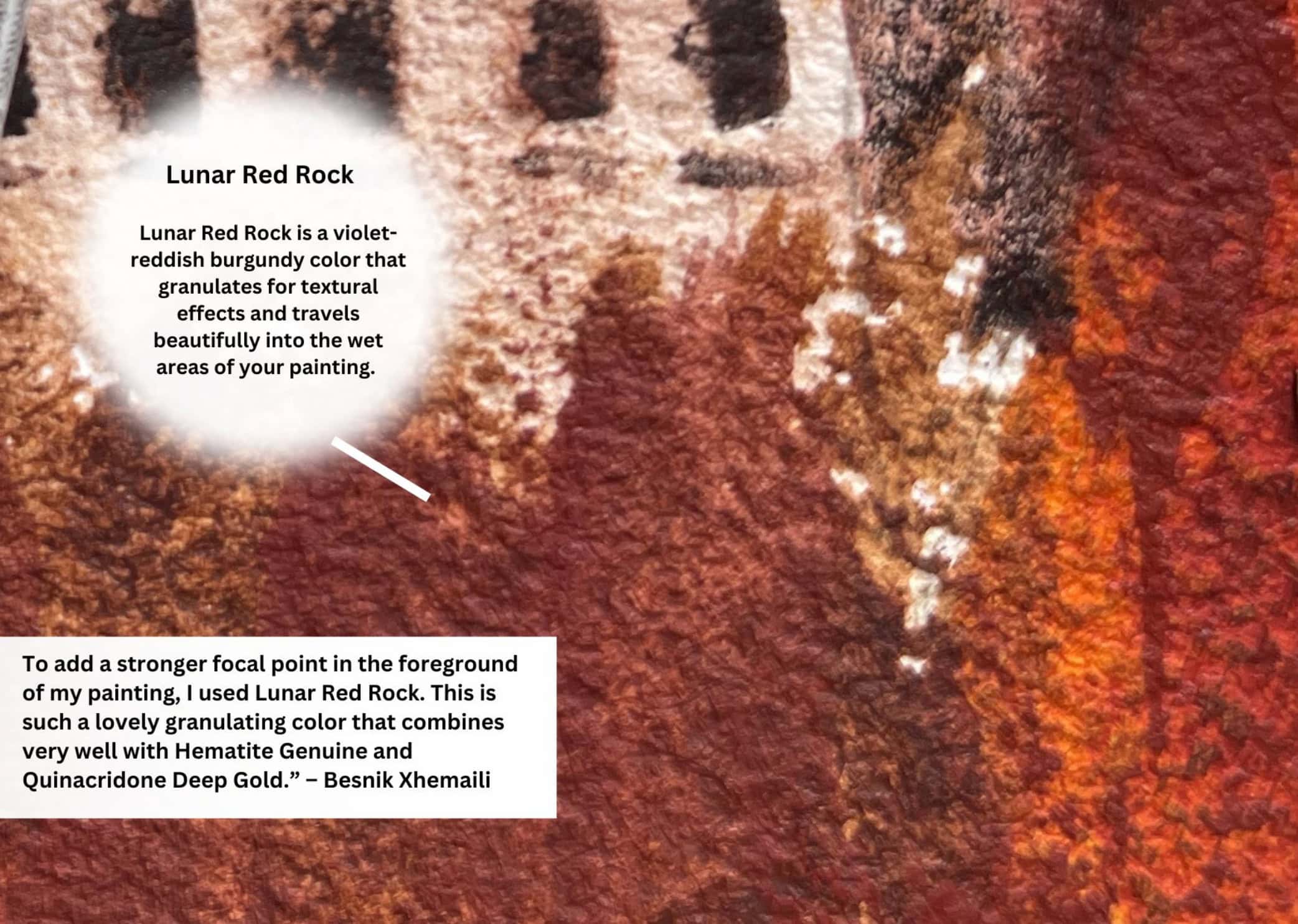
Wie gelingt es, Spontaneität und bewusste Entscheidungsfindung beim Erstellen eines abstrakten Aquarellbildes in Einklang zu bringen, vom ersten Farbauftrag bis zum letzten Schliff?
Jedes Gemälde beginnt mit Offenheit, nicht mit Gewissheit.
Die ersten Farbschichten entstehen intuitiv. Ich lasse Wasser, Schwerkraft und Pigmente Möglichkeiten eröffnen, anstatt sofortige Lösungen zu erzwingen. Im Verlauf des Bildprozesses wird die Beobachtung wichtiger als das Handeln. Ich verbringe genauso viel Zeit mit Beobachten wie mit Malen.
Irgendwann beginnt das Gemälde, seine eigene Richtung zu entwickeln. Meine Rolle wandelt sich vom Schöpfer zum Zuhörer. Die abschließenden Entscheidungen werden zunehmend bewusst getroffen – ich setze Akzente, vereinfache unnötige Passagen und bewahre die Frische, die in den ersten Phasen vorhanden war.
Für mich liegt die größte Herausforderung darin, zu wissen, wann man aufhören muss. Ein gelungenes Aquarell zeichnet sich oft dadurch aus, was unberührt bleibt.
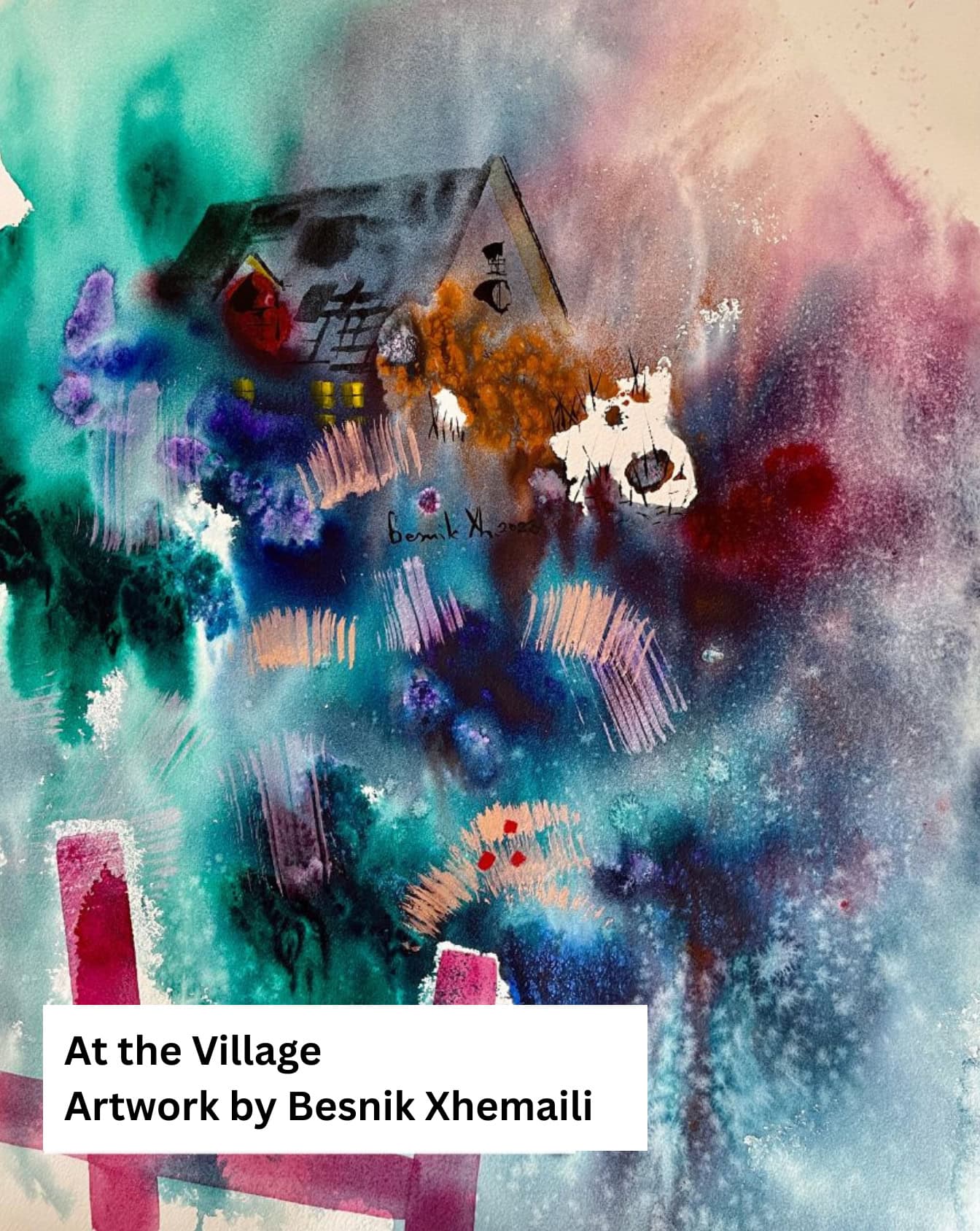
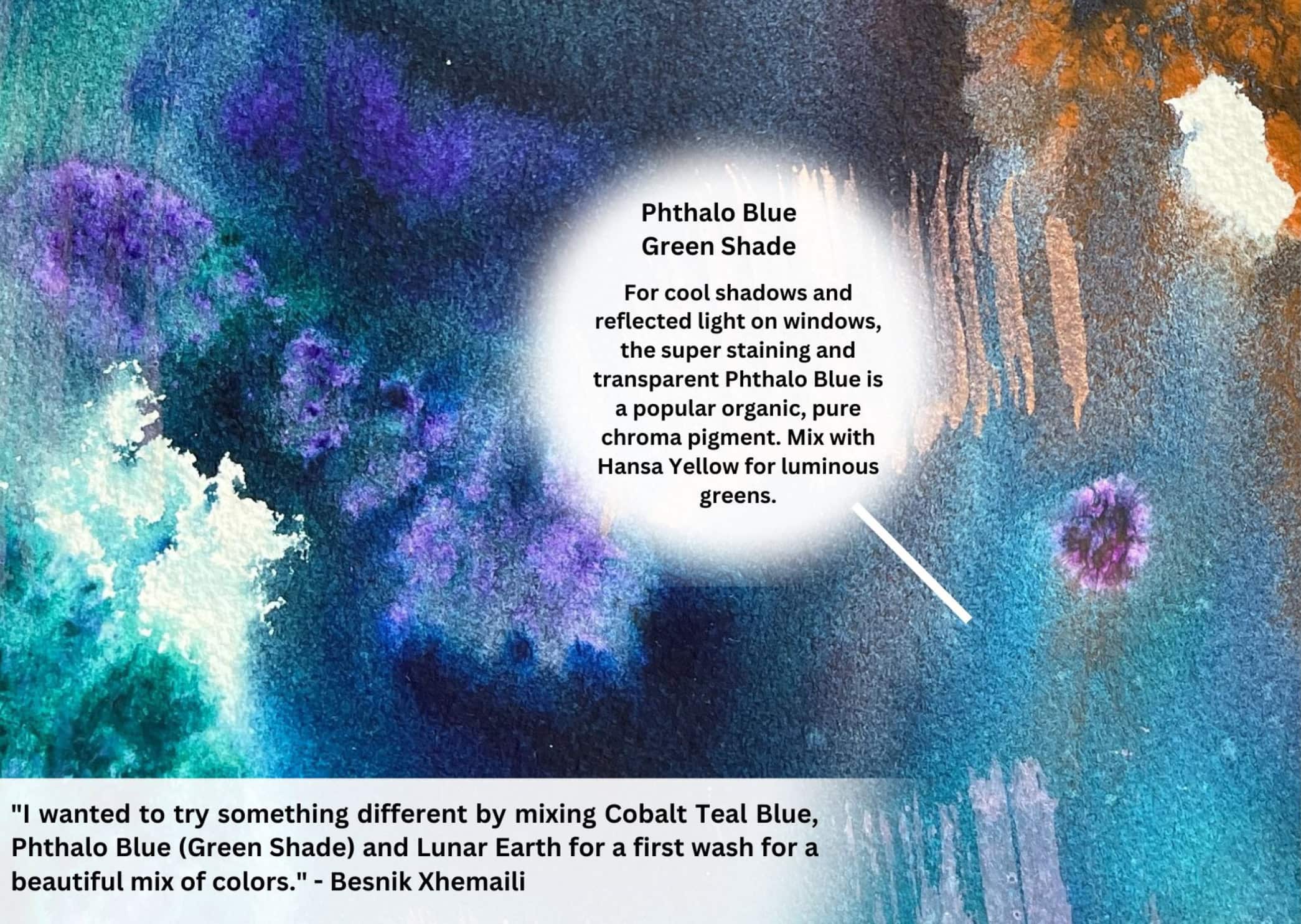
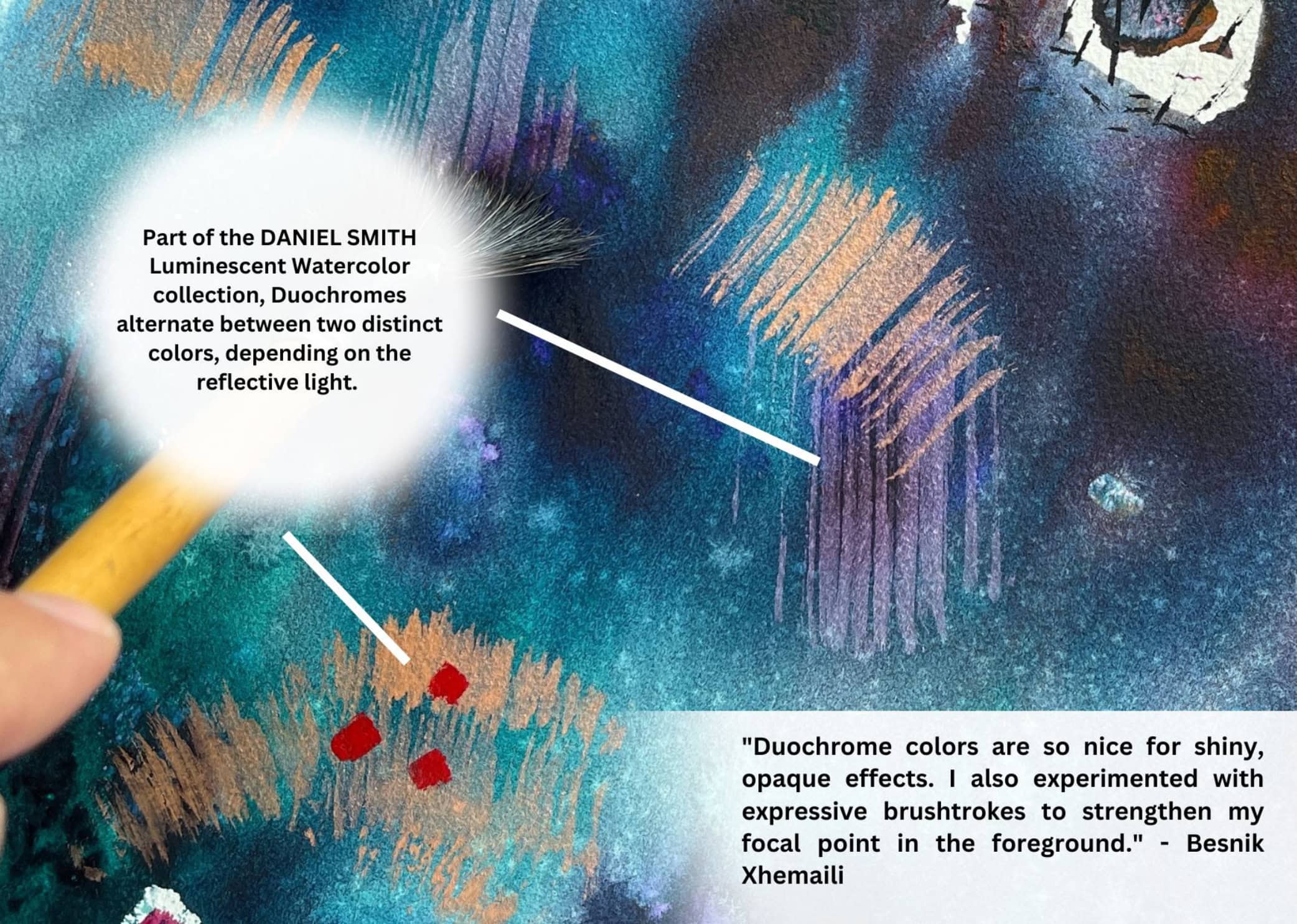
Welches Ihrer abstrakten Aquarellgemälde repräsentiert Ihre künstlerische Vision am besten, und was erhoffen Sie sich, dass andere Künstler daraus lernen oder mitnehmen?
Anstatt ein einzelnes Gemälde zu betrachten, sehe ich mein Gesamtwerk als einen fortlaufenden Dialog. Jedes Gemälde beantwortet Fragen, die das vorherige aufgeworfen hat, und eröffnet gleichzeitig neue Fragen für das nächste.
Wenn es einen Gedanken gibt, der meine künstlerische Vision prägt, dann ist es das Streben nach Freiheit innerhalb der Disziplin. Aquarellmalerei ist gleichermaßen fragil wie anspruchsvoll. Sie belohnt Selbstvertrauen, bestraft aber Zögern. Dieser Widerspruch fasziniert mich.
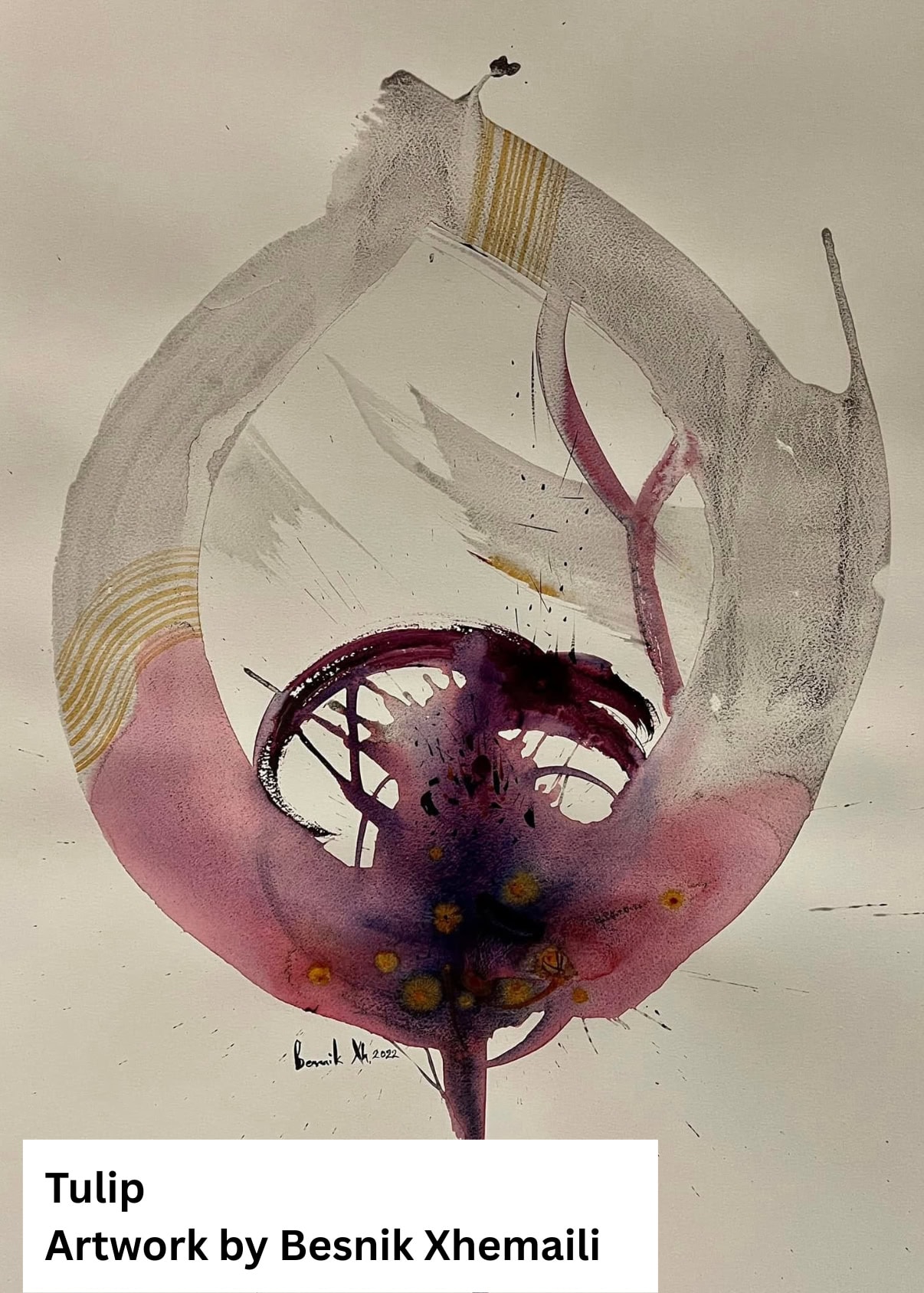
Ich hoffe, andere Künstler verstehen, dass Originalität nicht durch den Versuch entsteht, anders zu sein. Sie entsteht durch ehrliches und beständiges Arbeiten und indem man die eigenen Erfahrungen in die Bildsprache einfließen lässt. Technik ist wichtig, aber Authentizität verleiht einem Gemälde seine bleibende Wirkung. Und ja, natürlich ist das Tulpenmotiv mein Lieblingsmotiv.
Welchen Rat würden Sie Künstlern geben, die gerade erst anfangen, sich mit abstrakter Aquarellmalerei auseinanderzusetzen und ihre eigene, einzigartige künstlerische Ausdrucksweise entwickeln möchten?
Sei geduldig mit dir selbst.
Folge nicht dem Stil. Folge deiner Neugier.
Meistere die Grundlagen der Aquarellmalerei – verstehe Wasser, Pigmente, Timing und Papier –, aber lass dich nicht von der Technik einschränken. Experimentiere ständig, betrachte Misserfolge als wertvolle Lehrmeister und male regelmäßig genug, damit deine Hand ganz natürlich und ohne übermäßiges Nachdenken arbeitet.
Am wichtigsten ist, dass du deine Arbeit nicht mit der anderer vergleichst. Deine künstlerische Ausdrucksweise entwickelt sich aus deinen eigenen Erfahrungen, Beobachtungen und Gefühlen. Je ehrlicher du malst, desto unverwechselbarer wird dein Werk.
Letztendlich geht es beim Aquarellmalen nicht darum, das Wasser zu beherrschen. Es geht darum zu lernen, wann man es lenkt, wann man ihm vertraut und wann man es einfach sprechen lässt.
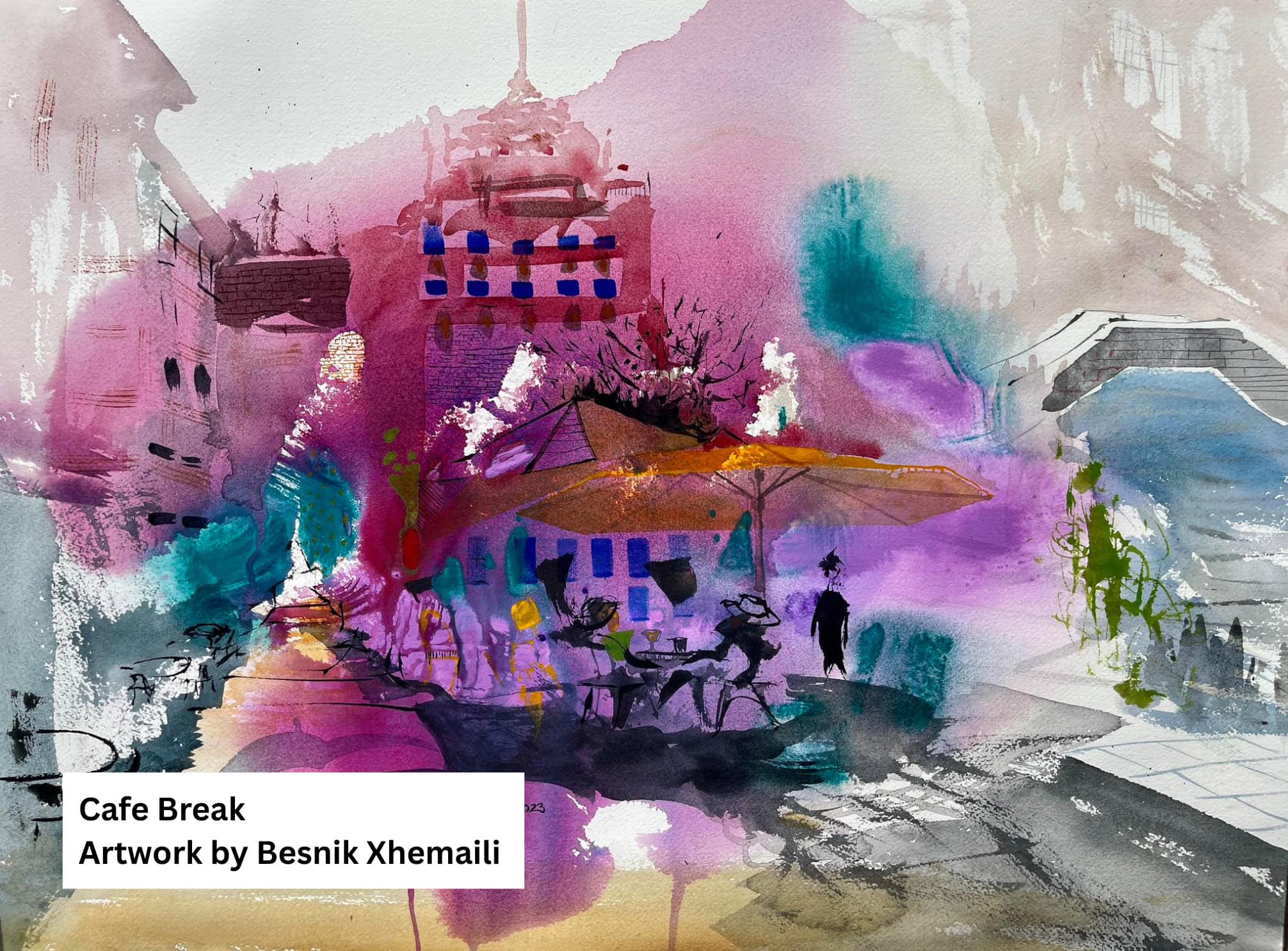
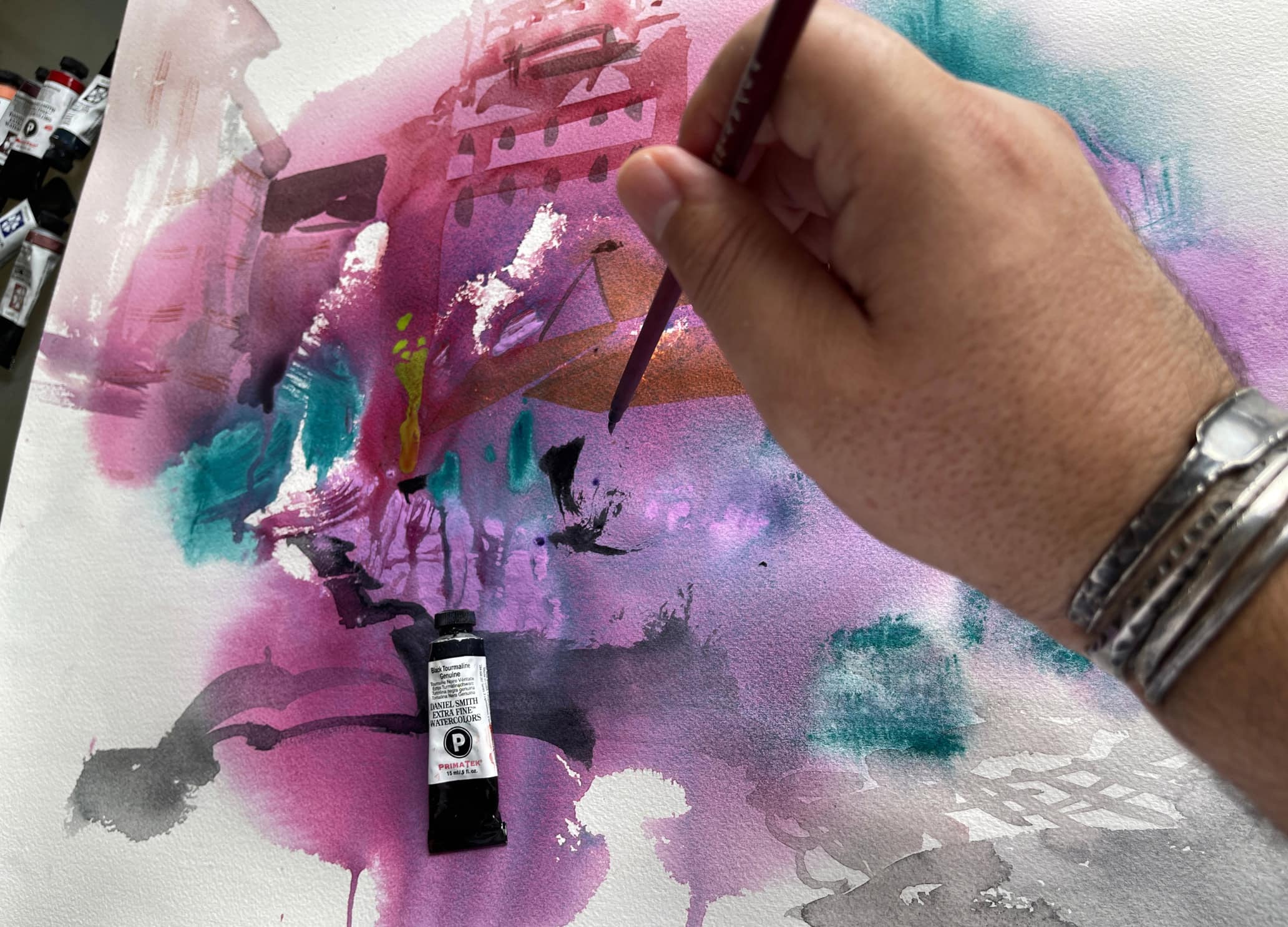
Nach jahrelanger Auseinandersetzung mit der Kunst hat Besnik Xhemaili entdeckt, dass abstrakte Aquarellmalerei ebenso sehr von Vertrauen wie von Technik abhängt. Seine Erfahrungen ermutigen Künstler, ihrer Neugierde freien Lauf zu lassen, sich von der Farbe leiten zu lassen und eine ganz eigene künstlerische Ausdrucksweise zu entwickeln.
Haben Sie schon einmal abstrakte Aquarellmalerei ausprobiert oder würden Sie das gerne einmal erkunden? Wir freuen uns auf eure individuellen Interpretationen – teilt eure farbenfrohen Kreationen mit uns und vergesst nicht, uns zu markieren 😊

Ein Professor mit der Leidenschaft eines Studenten, Besnik Xhemaili Born lebt und arbeitet als Künstler im Kosovo und ist ein sehr aktiver Teilnehmer an zahlreichen Aquarellveranstaltungen weltweit. Als führender Vertreter der kosovarischen Aquarellkünstler leitet er die Aktivitäten der IWS Kosovo und organisiert viele Aquarellfestivals.
Seine Aquarelle sind hauptsächlich im zeitgenössischen Stil gehalten, wobei er Pinselstriche und seine einzigartige Farbpalette in abstrakten expressiven Formen anwendet. Er hat aber auch sein zeichnerisches Können unter Beweis gestellt, indem er verschiedene Porträts und figurative Werke gemalt hat.