









Chương trình Friday LIVE với John Cogley & Đại sứ thương hiệu DANIEL SMITH Sabine Dreher
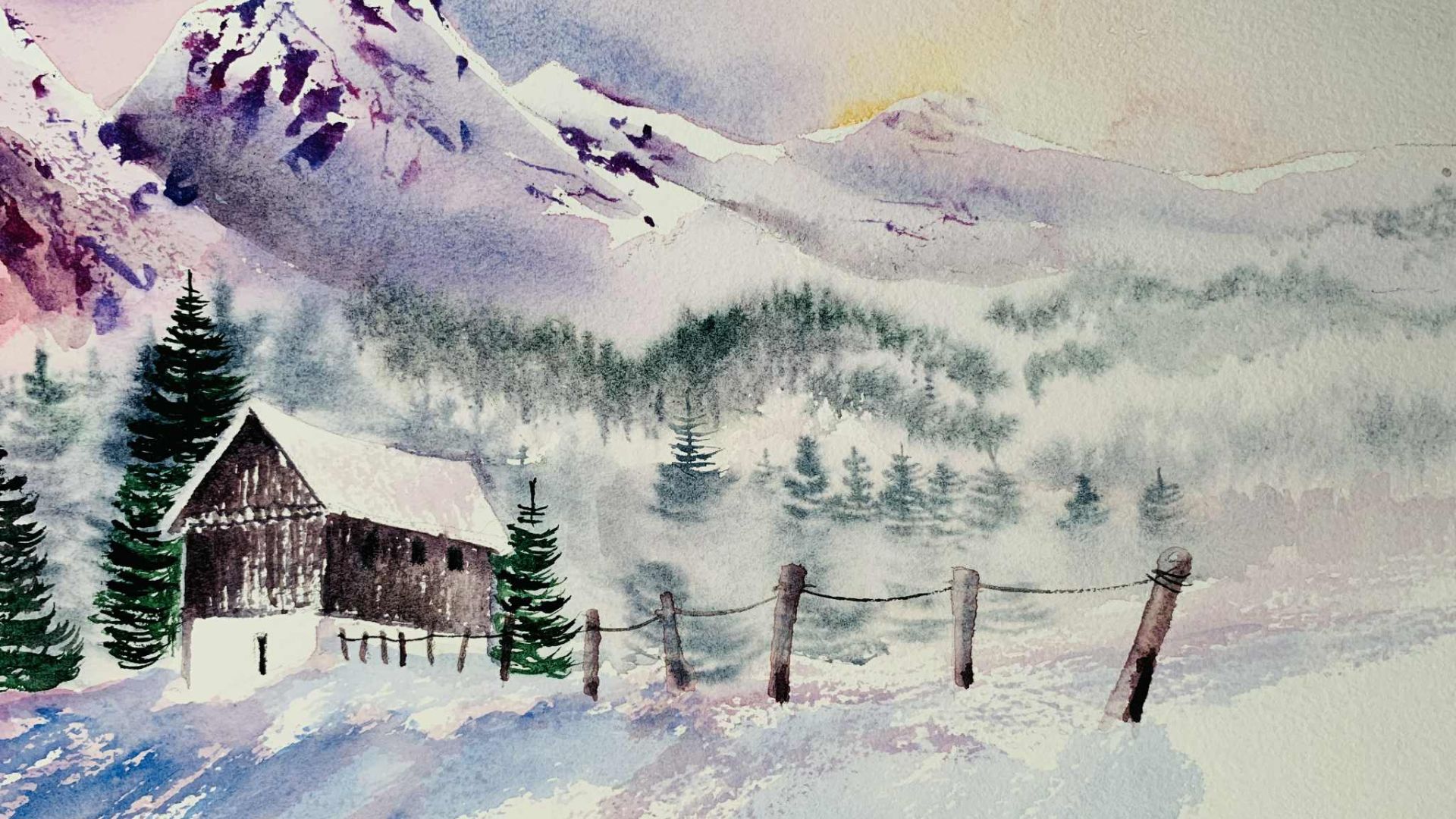
Hãy cùng tham gia với Đại sứ thương hiệu DANIEL SMITH! Sabine Dreher Hãy cùng lắng nghe cô ấy trình diễn cách nắm bắt bầu không khí mùa đông dịu nhẹ, tuyết trắng lấp lánh và những hàng cây thanh lịch bằng màu nước DANIEL SMITH Extra Fine. Buổi trình diễn trực tiếp vào thứ Sáu này sẽ cung cấp nhiều mẹo hữu ích để kiểm soát độ sáng tối, tạo bóng đổ lung linh và xây dựng một phong cảnh mùa đông yên bình với các lớp màu trong suốt. Xem buổi trình diễn, sau đó làm theo hướng dẫn tóm tắt bên dưới để tạo ra khung cảnh tuyết của riêng bạn.
Có điều gì đó kỳ diệu trong tranh phong cảnh tuyết phủ bằng màu nước. Bầu không khí tĩnh lặng, những đường nét mềm mại và sự tương phản giữa bóng tối dịu mát và ánh sáng rực rỡ khiến cho việc vẽ tranh mùa đông trở nên vô cùng thú vị. Trong một buổi phát trực tiếp hôm thứ Sáu gần đây, Đại sứ thương hiệu Sabine Dreher Cô đã cùng John Cogley trình bày cách tiếp cận của mình trong việc ghi lại những khu rừng phủ tuyết và ánh sáng mùa đông bằng màu nước DANIEL SMITH Extra Fine. Quá trình của cô nhẹ nhàng, trực quan và dựa trên sự quan sát tỉ mỉ — hoàn hảo cho những họa sĩ muốn khám phá các chủ đề theo mùa.
Trong bài viết này, chúng ta sẽ cùng điểm qua những điểm chính từ bản demo của Sabine, nêu bật các kỹ thuật hữu ích và đưa ra hướng dẫn giúp bạn tạo ra khung cảnh mùa đông tuyết phủ của riêng mình.
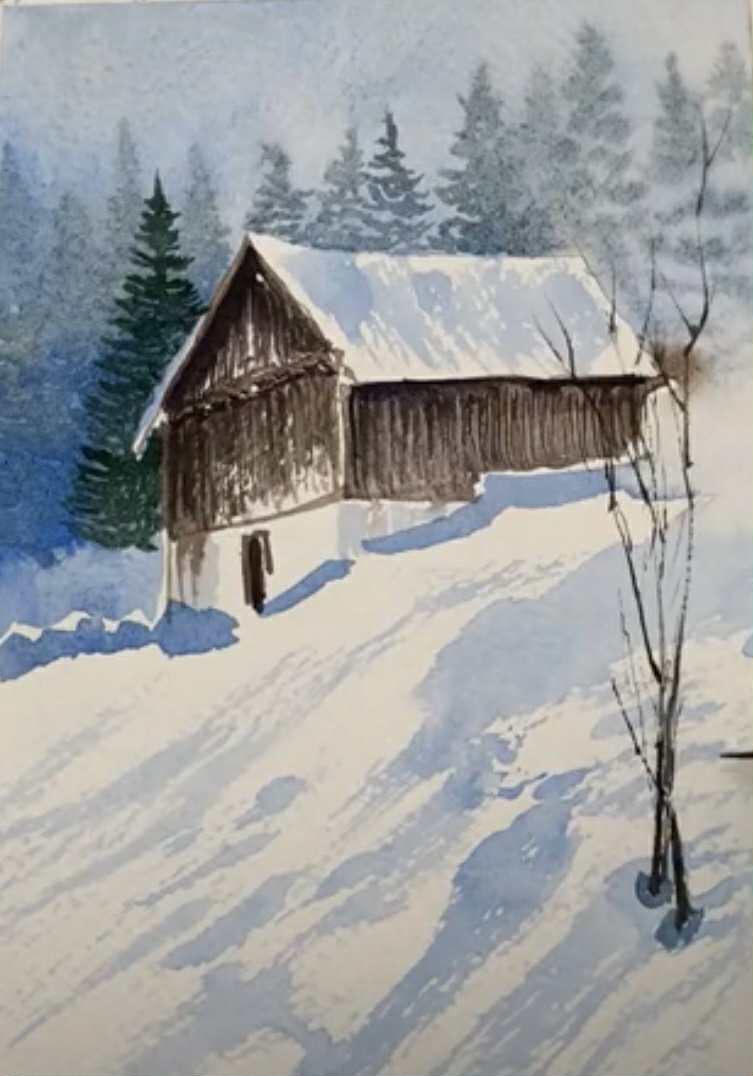
Một trong những lời nhắc nhở hữu ích nhất mà Sabine chia sẻ là tuyết không bao giờ nên chỉ toàn màu trắng tinh khôi. Tuyết phản chiếu mọi thứ xung quanh nó—ánh sáng, bầu trời, cây cối—và vẻ đẹp của nó nằm ở những sự chuyển đổi tinh tế giữa các tông màu ấm và lạnh.
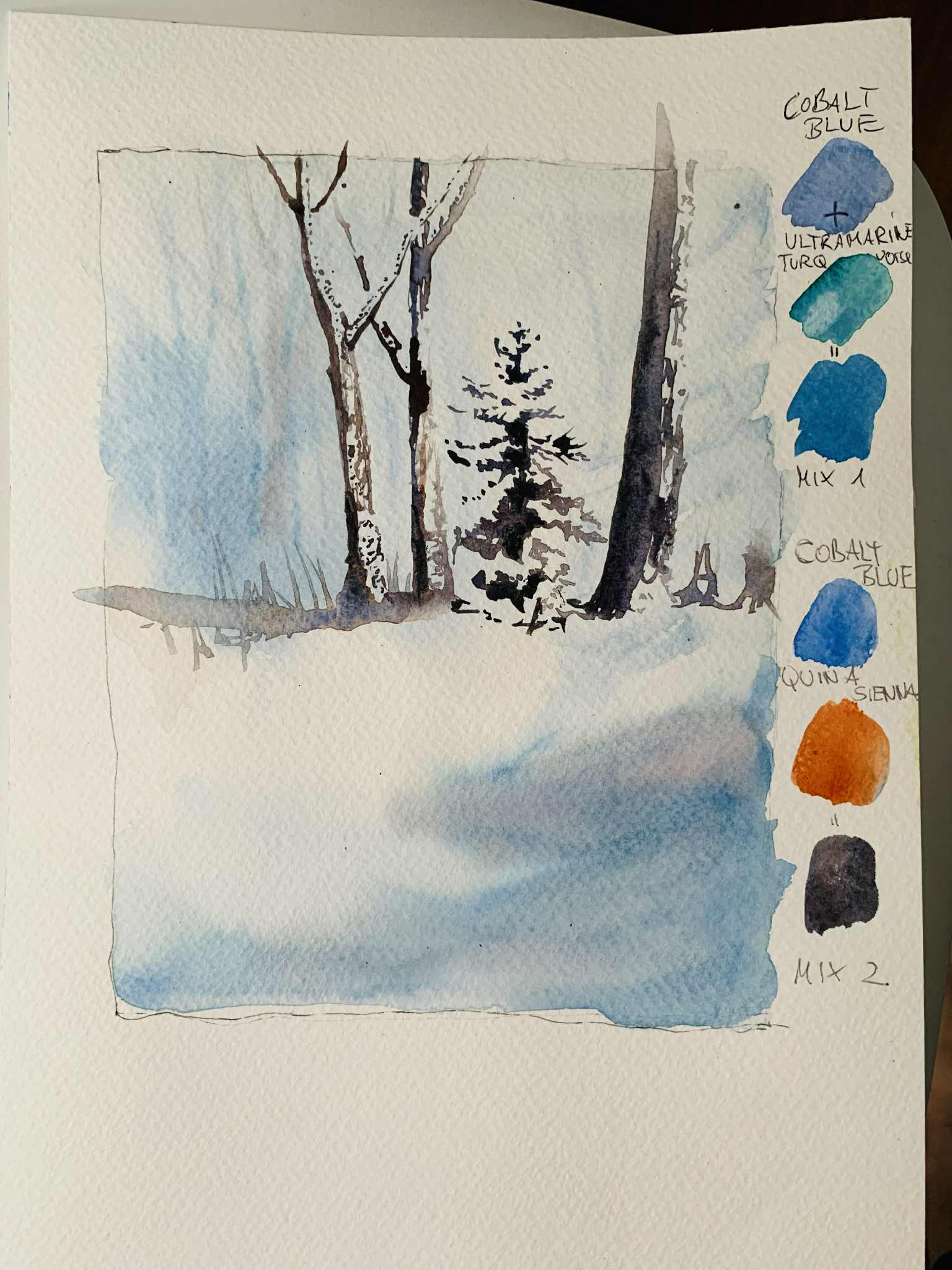
Ngay cả trong khu rừng mùa đông hoang sơ, tuyết vẫn mang theo những dấu vết của... màu xanh dương, tím, xám nhạt và màu phản chiếu Từ những vật thể xung quanh. Những biến tấu tinh tế này làm cho khung cảnh trở nên mới mẻ và có chiều sâu, và Sabine đã kết hợp những sự thay đổi này một cách trong suốt và tiết chế.
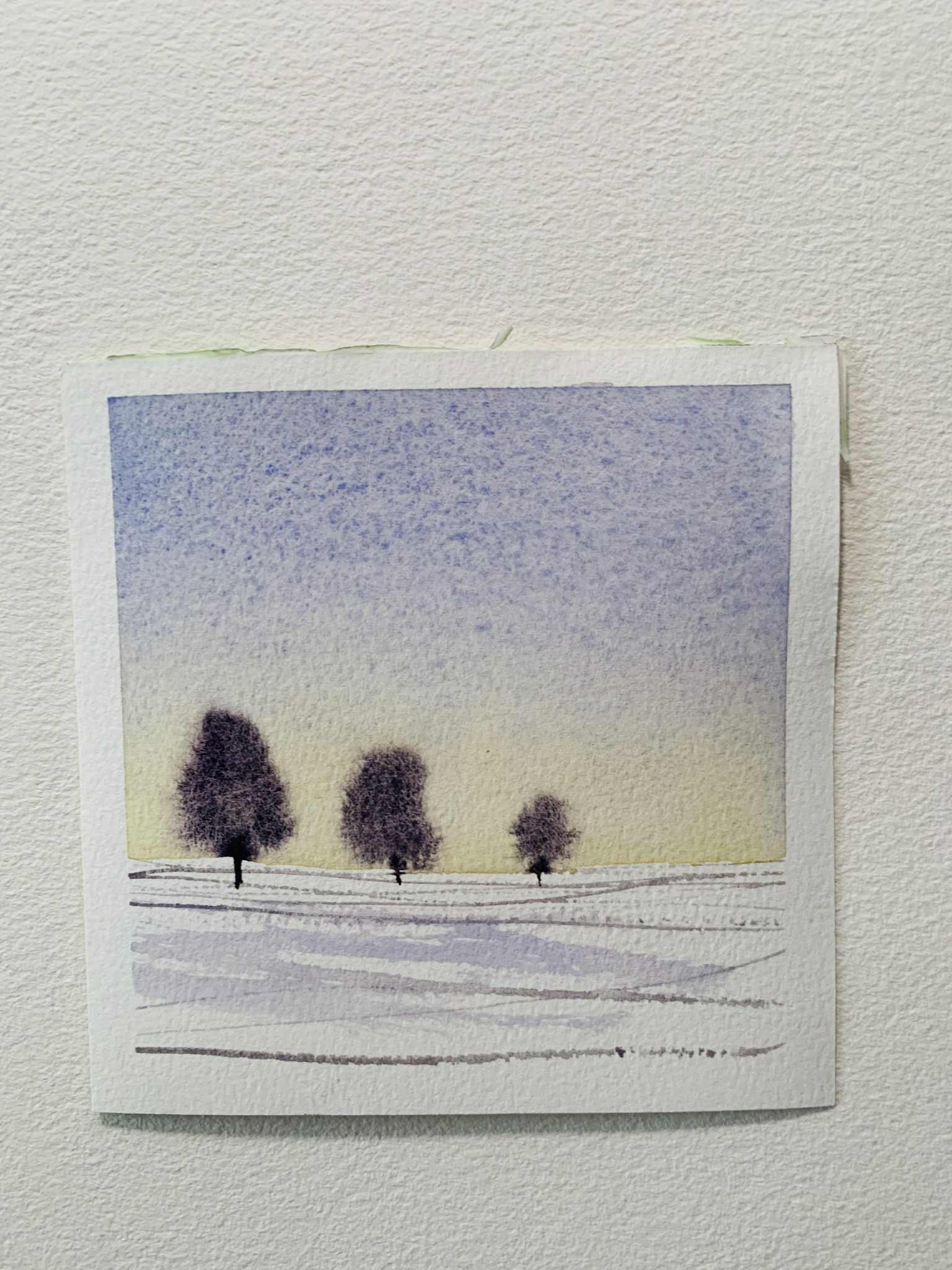
Sabine bắt đầu bức tranh phong cảnh mùa đông của mình bằng cách tạo ra một phông nền mềm mại, giàu cảm xúc:
- Kỹ thuật vẽ chồng màu ướt tạo hiệu ứng mờ ảo nhẹ nhàng cho bầu trời và khu rừng xa xa, rất phù hợp cho những ngày sương mù và lạnh giá.
- Cô ấy để cho màu sắc lan tỏa một cách tự nhiên, tận dụng sự mềm mại của màu nước thay vì cố gắng tạo ra những hình dạng sắc nét quá sớm.
- Việc giữ nguyên các khu vực quan trọng giúp bảo tồn những điểm nhấn tự nhiên, nơi tuyết sẽ phủ kín sau này.
Giai đoạn đầu tiên này tập trung vào tâm trạng—yên tĩnh, bình thản và thư thái.
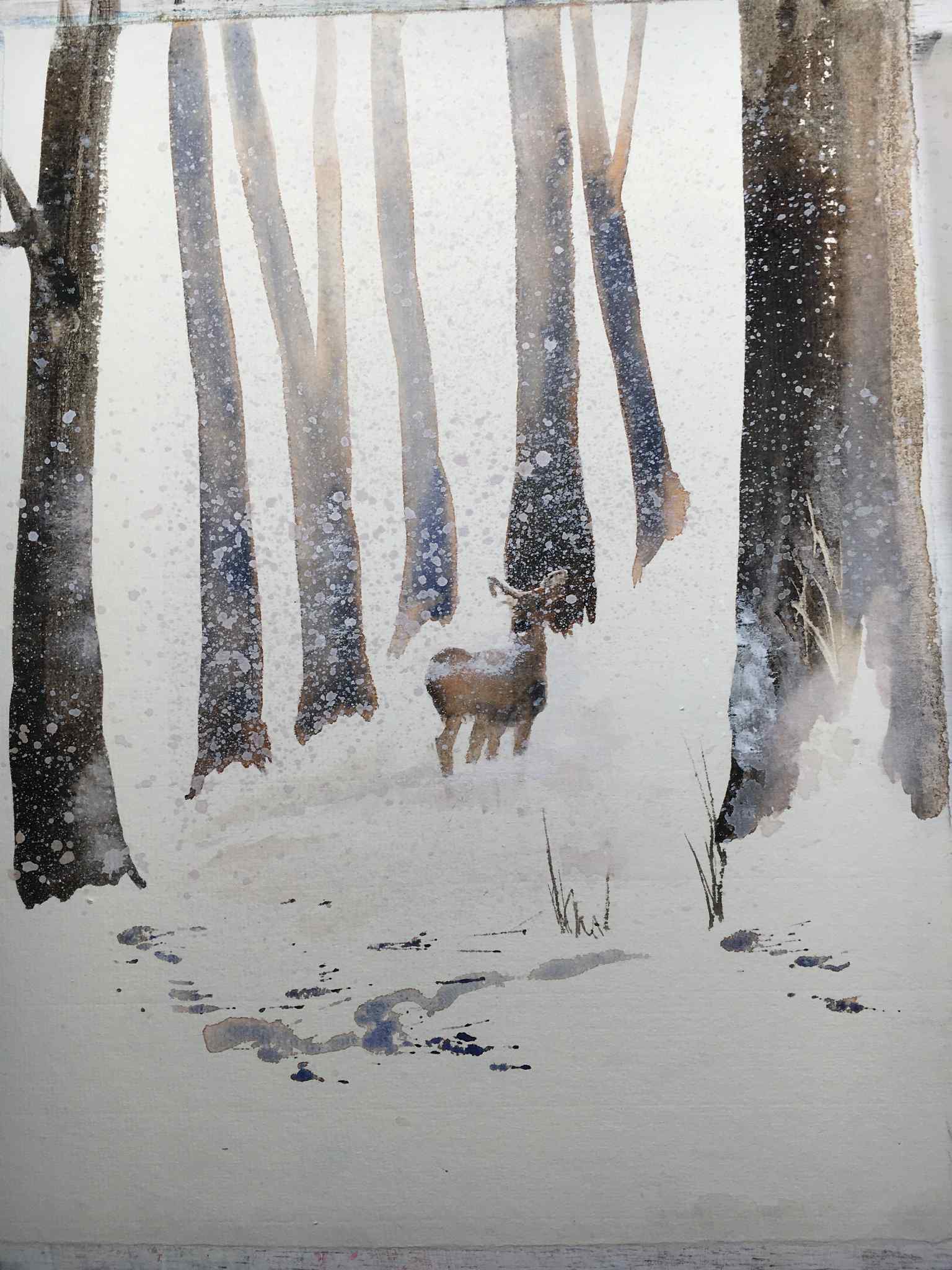
Để làm cho tuyết tỏa sáng, Sabine đã cố ý làm sâu sắc thêm các sắc độ xung quanh. Khi cô ấy chuyển sang phần trung cảnh và tiền cảnh:
- Cô ấy sử dụng những tông màu tối hơn cho cây cối và cành cây, tạo ra sự tương phản khiến tuyết trông sáng hơn.
- Các mảng tối được vẽ bằng những lớp màu trong suốt, mát mẻ—không bao giờ đậm hay mờ đục—khiến tuyết trông nhẹ nhàng và lung linh.
- Bằng cách thay đổi độ sáng và nhiệt độ, cô ấy đảm bảo mỗi hình dạng tuyết đều có hình khối và đường nét, chứ không phải là một khoảng trắng phẳng.
Sự cân bằng giữa sự mềm mại và tương phản trong tranh của Sabine chính là điều thu hút người xem vào khung cảnh thiên nhiên.
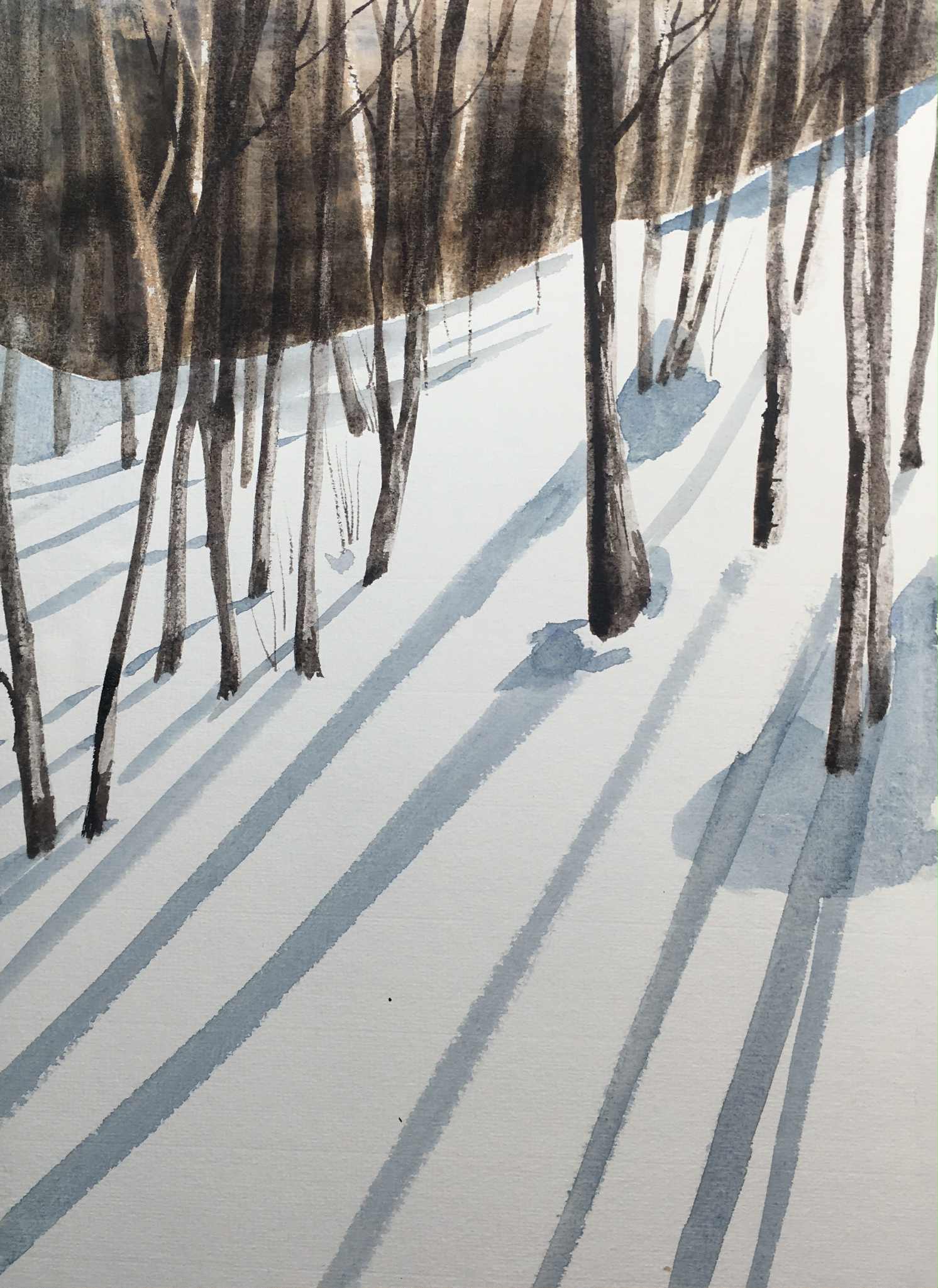
Những cây do Sabine trồng là điểm nhấn của buổi trình diễn. Quy trình của cô ấy bao gồm:
- Những nét vẽ nhẹ nhàng, có định hướng, phù hợp với thân cây mảnh mai.
- Các lớp giá trị được sử dụng để tạo chiều sâu giữa các tán cây chồng lên nhau.
- Thỉnh thoảng làm mềm hoặc nâng nhẹ các cạnh để mô phỏng cách tuyết bám vào cành cây.
- Sử dụng các điểm nhấn tối màu một cách tiết chế—vừa đủ để định hình cấu trúc mà không làm lu mờ bầu không khí tinh tế.
Cô ấy nhắc nhở chúng ta rằng những khu rừng mùa đông chứa đựng cả những chi tiết sắc nét và những hình dạng mềm mại, mờ ảo. Bí quyết là biết nên làm nổi bật cái nào và nên để cái nào mềm mại hơn.
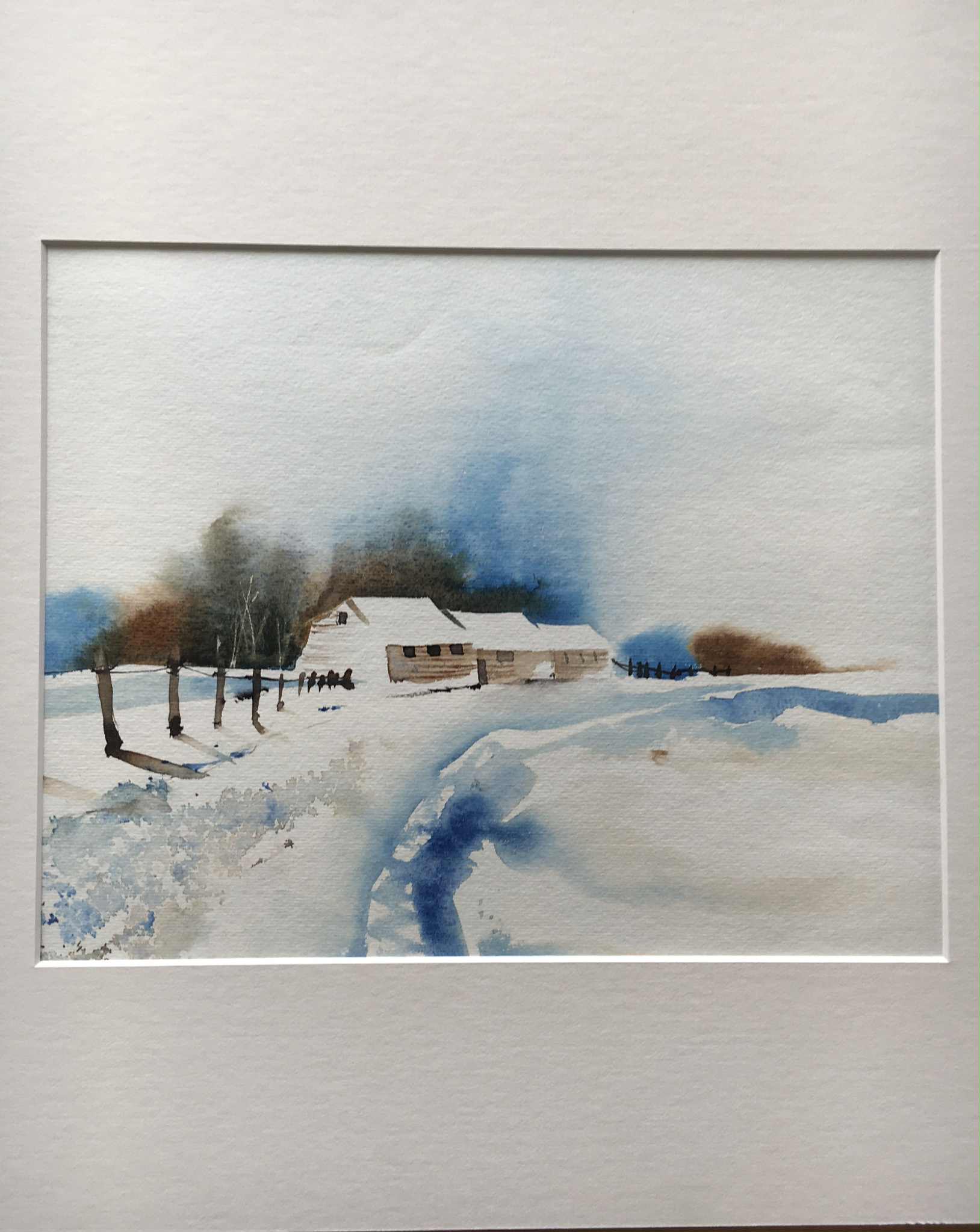
Bảng màu của Sabine cho bản demo này bao gồm các sắc tố trong suốt, mát mẻ, có thể chồng lớp một cách tinh tế. Mặc dù bảng màu của mỗi nghệ sĩ là khác nhau, nhưng những màu sắc tuyệt vời cho cảnh mùa đông bao gồm:
- Phthalo Blue (Màu xanh lá cây)
- Màu chàm
- Xám của Payne
- Màu trung tính
- Màu xanh mặt trăng
- Hoa oải hương
- Hoa hồng Quinacridone (dành cho ánh sáng phản chiếu dịu nhẹ)
- Nâu cháy hoặc Nâu thô dành cho thân cây
Những màu sắc này cho phép tạo ra những thay đổi nhiệt độ tinh tế và những bóng đổ lung linh – hai yếu tố thiết yếu đối với tuyết.
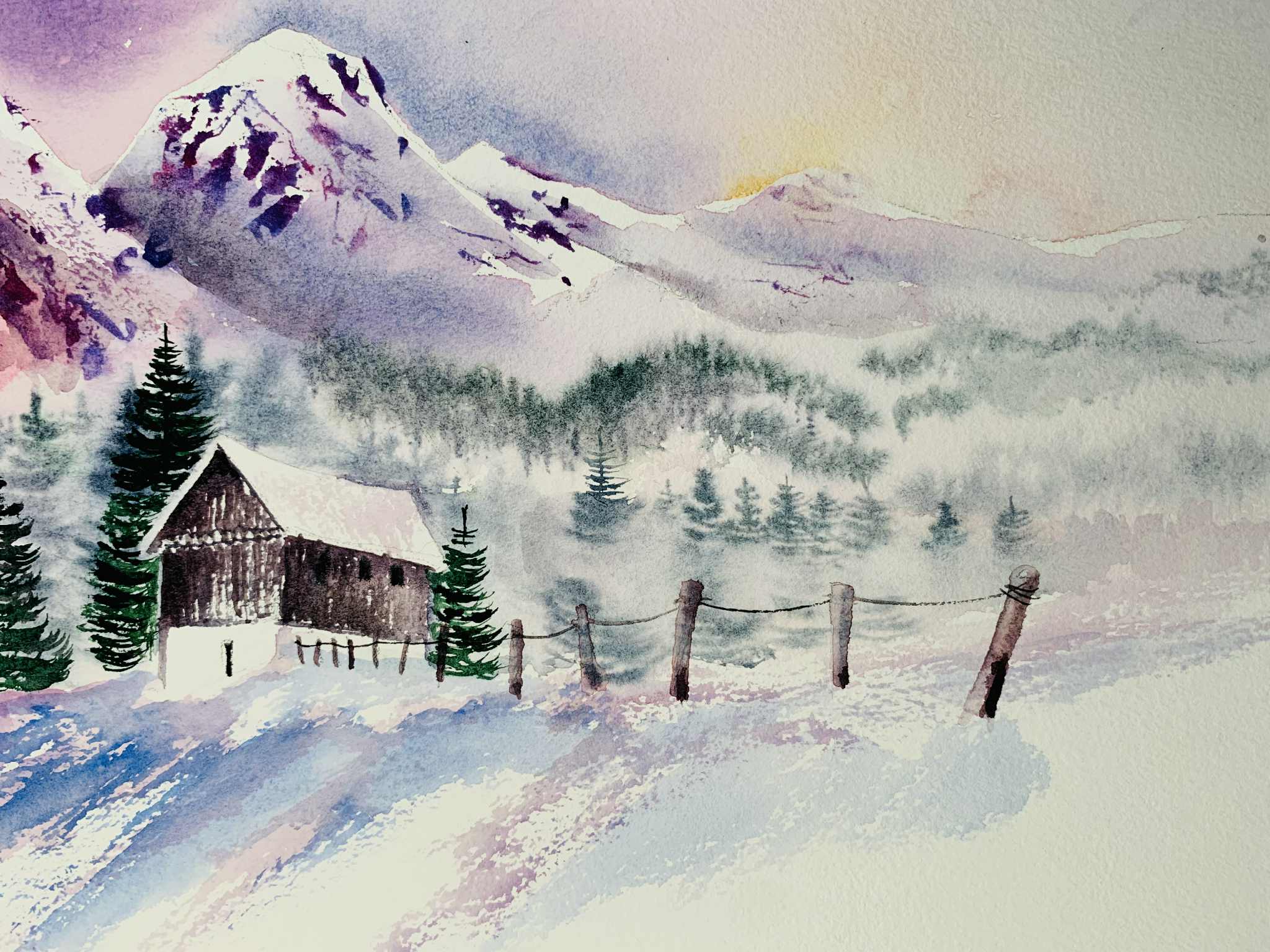
Cách tiếp cận của Sabine nhắc nhở chúng ta rằng phong cảnh tuyết không chỉ đơn thuần là vẽ "màu trắng" mà còn là vẽ nên bức tranh về chính nó. ánh sáng. Chỉ với vài thao tác tô vẽ khéo léo, những thay đổi sắc độ có chủ ý và tập trung vào không khí, bạn có thể tạo ra một khung cảnh mùa đông tràn đầy vẻ đẹp tĩnh lặng.
Hãy xem Sabine's trình diễn đầy đủ.
Chúng tôi rất mong chờ được xem những khung cảnh tuyết trắng mà bạn tạo ra. Nhớ gắn thẻ chúng tôi nhé! @DanielSmithArtistsMaterials để chúng tôi có thể chia sẻ tác phẩm của bạn với cộng đồng của mình.