
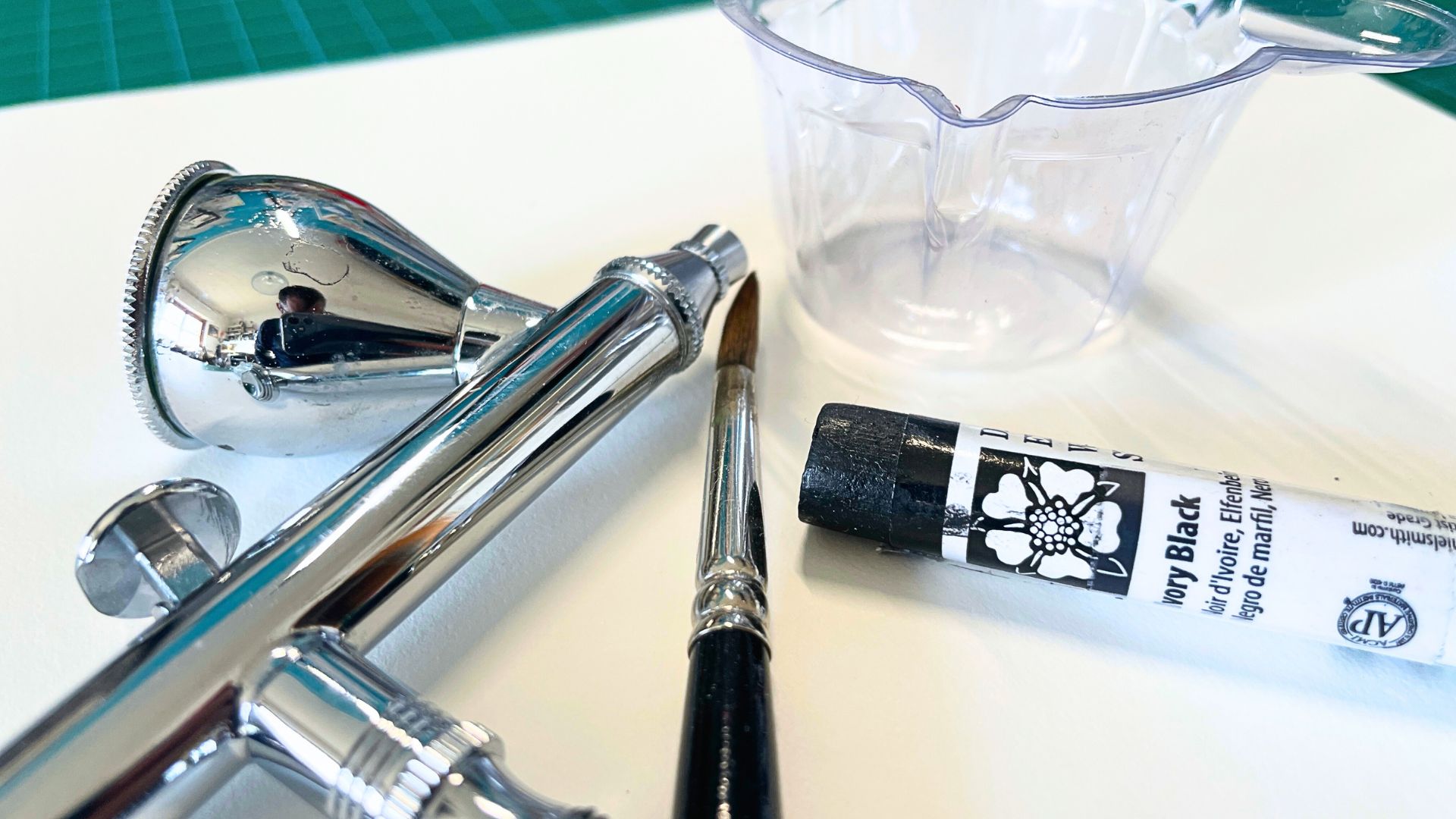

DANIEL SMITH Merkambassadeur Giovanni Balzarani Hij vertelt hoe hij aquarelverf combineert met airbrush-technieken om vloeiende, hyperrealistische effecten te bereiken. Giovanni put uit zijn achtergrond in schaalmodelbouw en onderzoekt hoe airbrush-gereedschap – traditioneel buiten de beeldende kunst gebruikt – nieuwe creatieve mogelijkheden kan bieden in combinatie met aquarelverf.
Een van de technische en artistieke hulpmiddelen die in de kunstwereld ongetwijfeld onderschat wordt, is de airbrush.
Deze kwast, die veelvuldig wordt gebruikt in autoschadeherstelbedrijven, industriële lakwerkplaatsen of voor algemene coatings om een perfecte afwerking te bereiken, is in de loop der jaren geëvolueerd tot geminiaturiseerde versies. Deze worden voornamelijk gebruikt bij schaalmodelbouw om effecten te creëren die met een standaard kwast simpelweg ondenkbaar zijn.
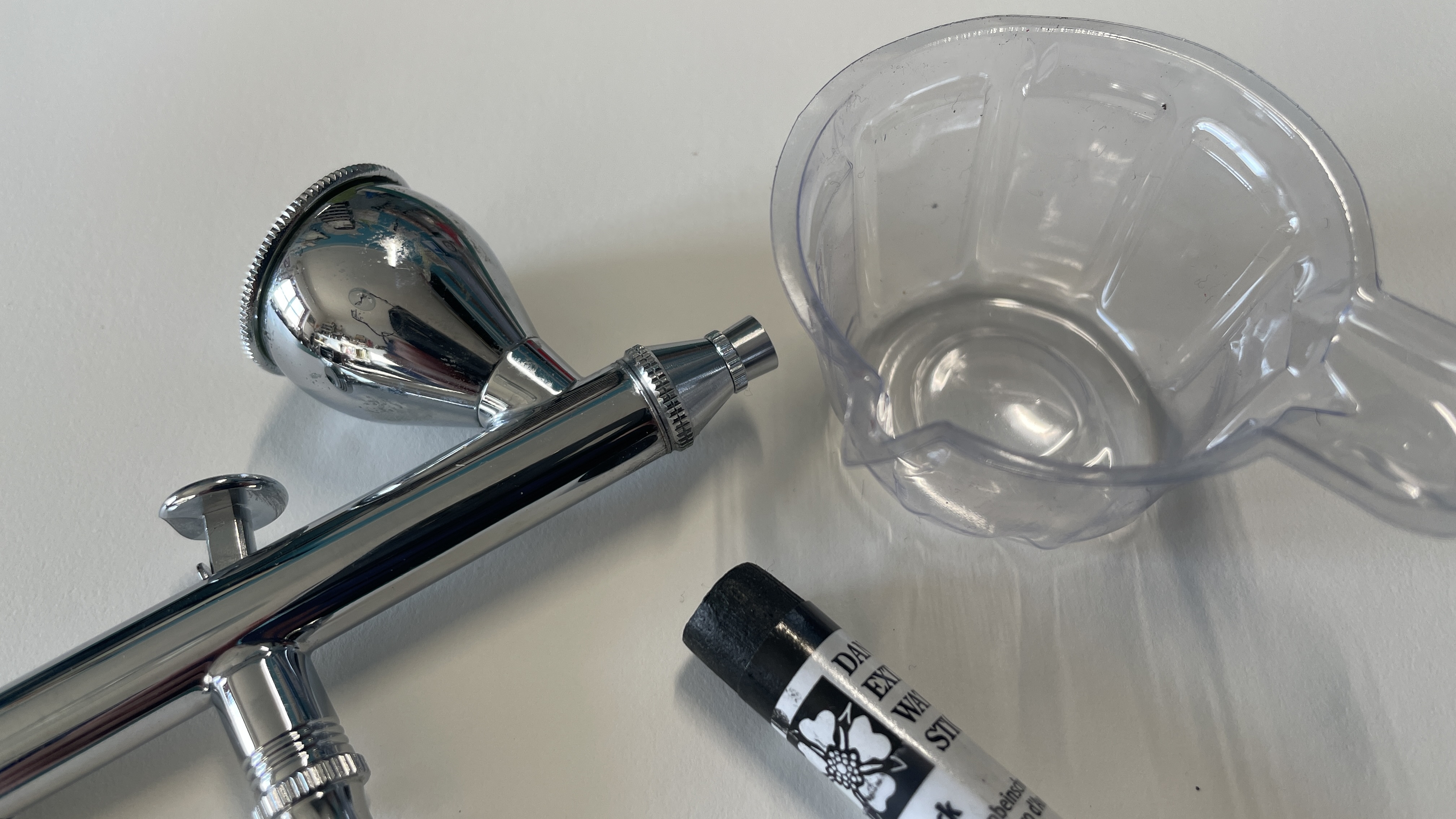
Een van mijn vele hobby's is schaalmodelbouw – zowel RC (dynamisch) als statisch verzamelen. Ik heb me vaak afgevraagd hoe ik airbrush-technieken zou kunnen toepassen op mijn huidige aquarelschilderijen.
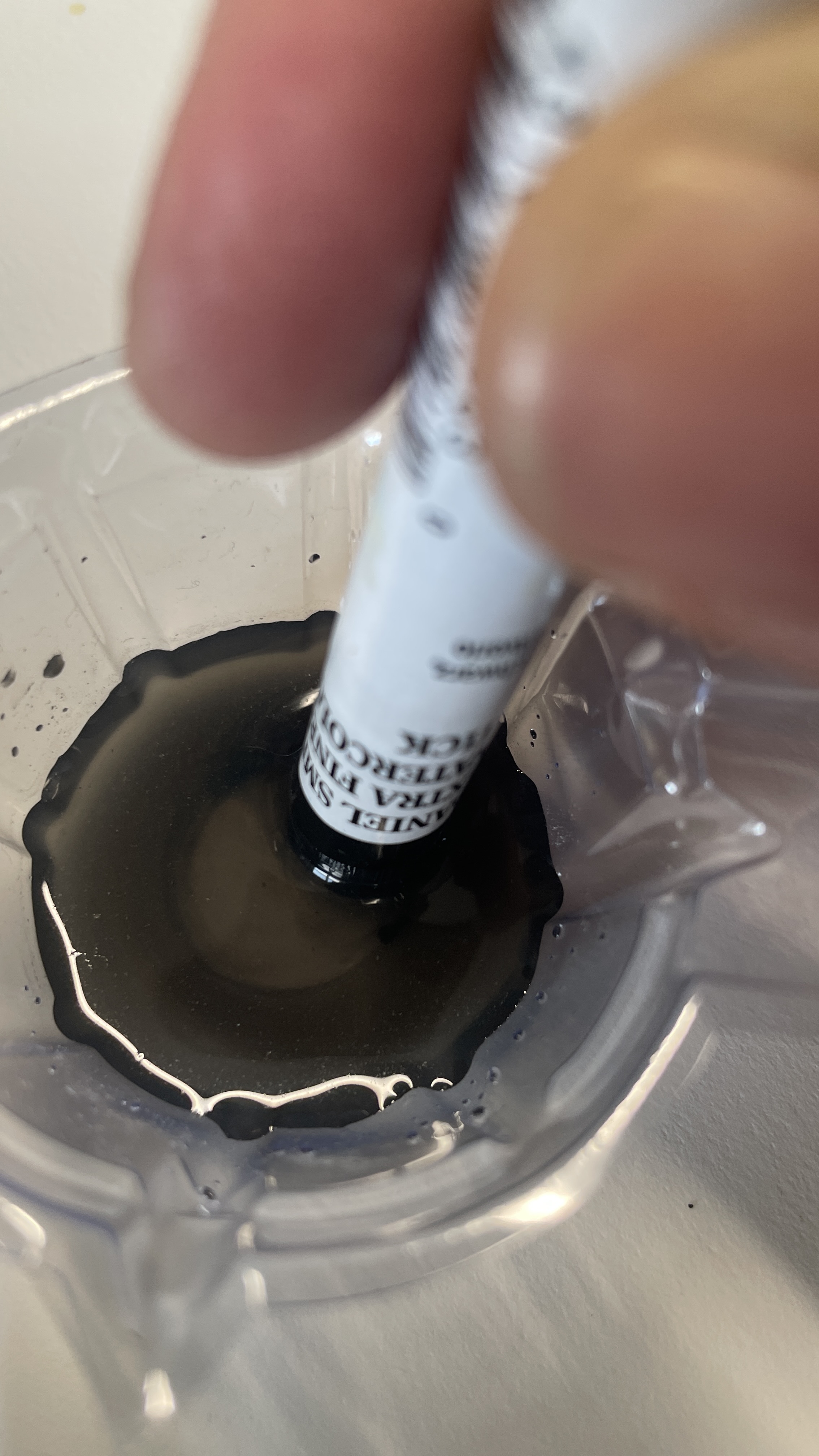
De techniek is er eigenlijk heel geschikt voor, omdat de airbrush een zeer vloeibare verdunning nodig heeft om goed te functioneren; een goede startverhouding is 70/30 (70% verdunner op 30% verf).
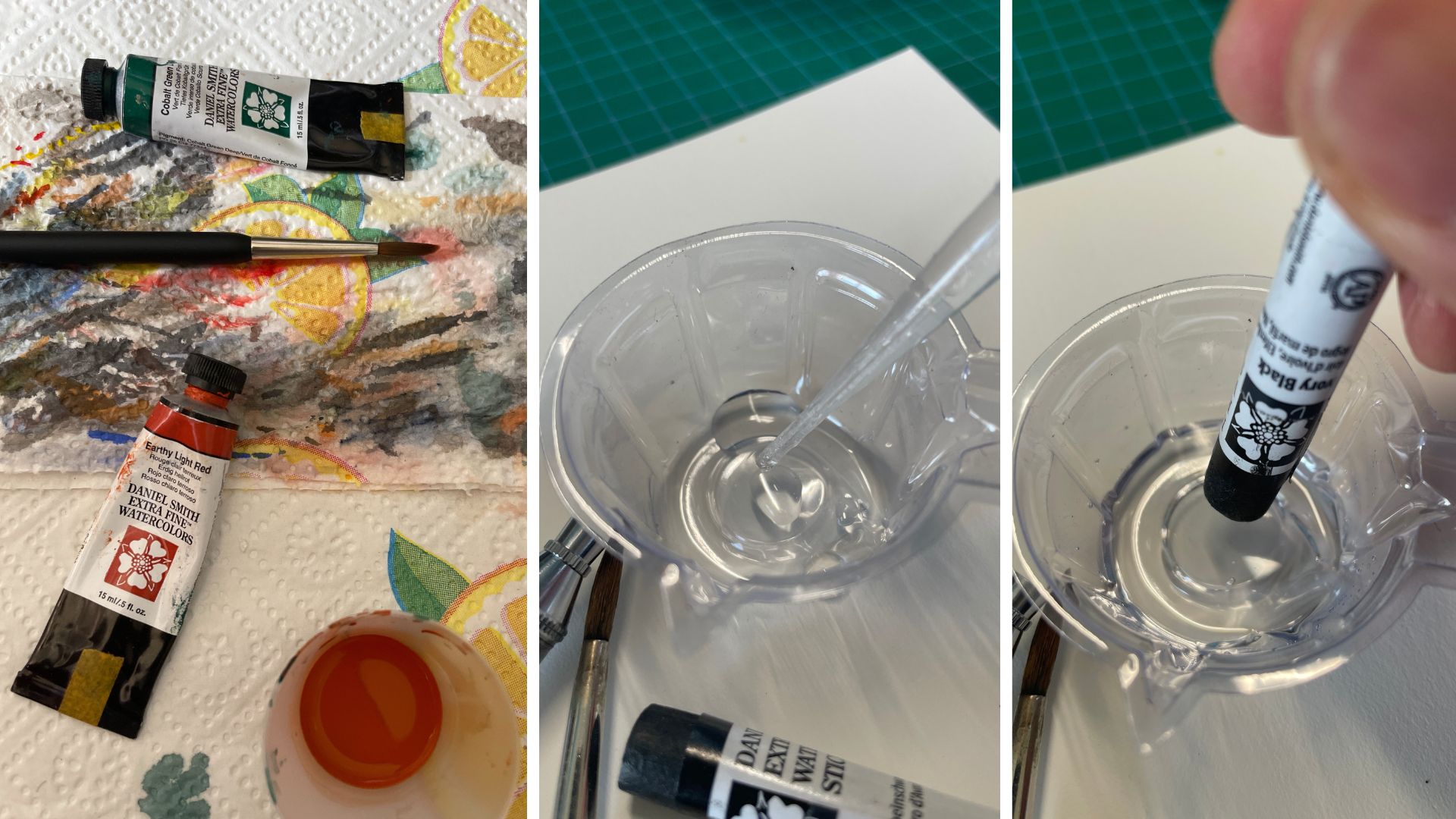
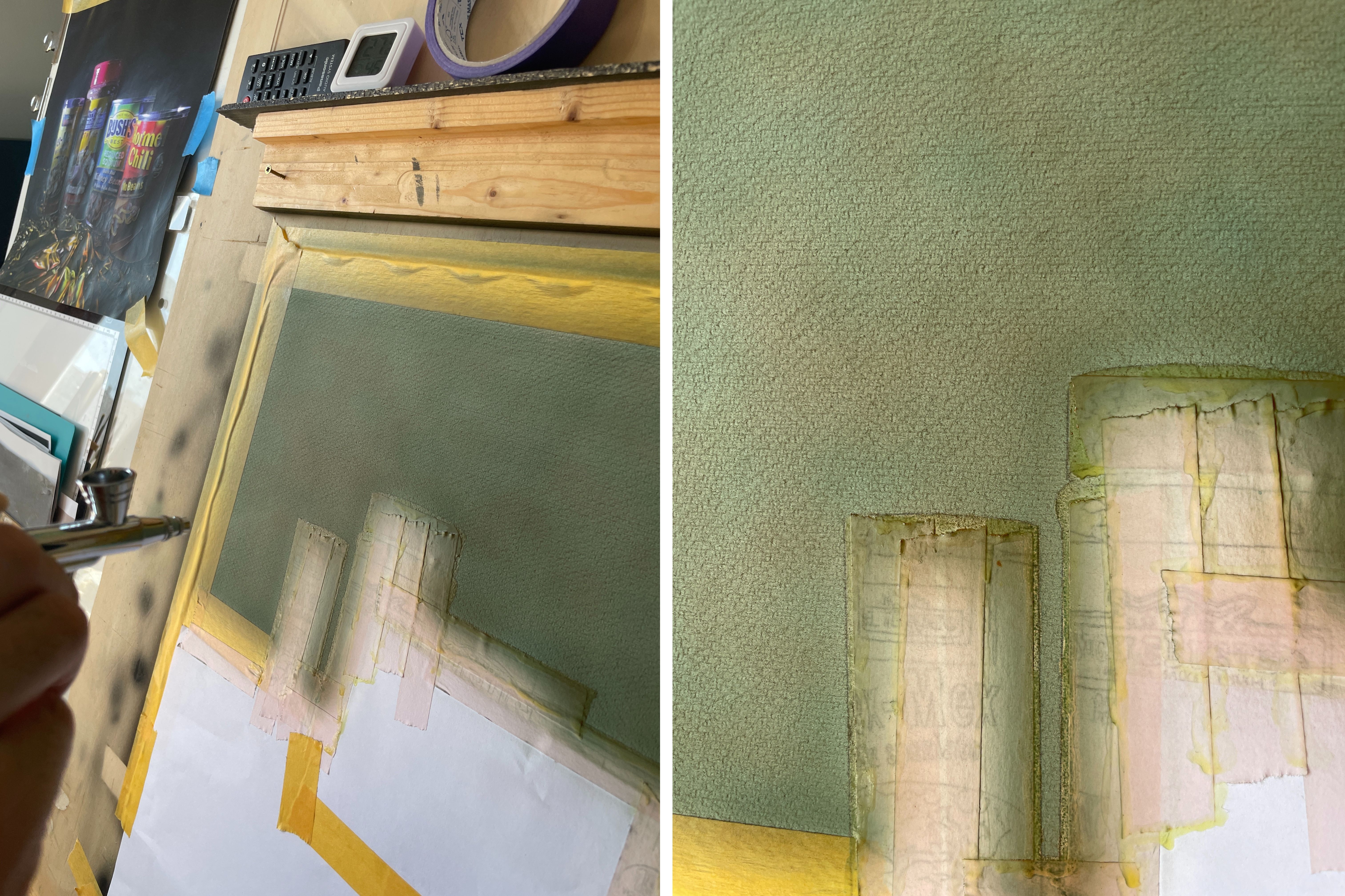
Na het verdunnen goot ik alles in mijn airbrush-reservoir en voerde ik spuitproeven uit om de verdunning te controleren.
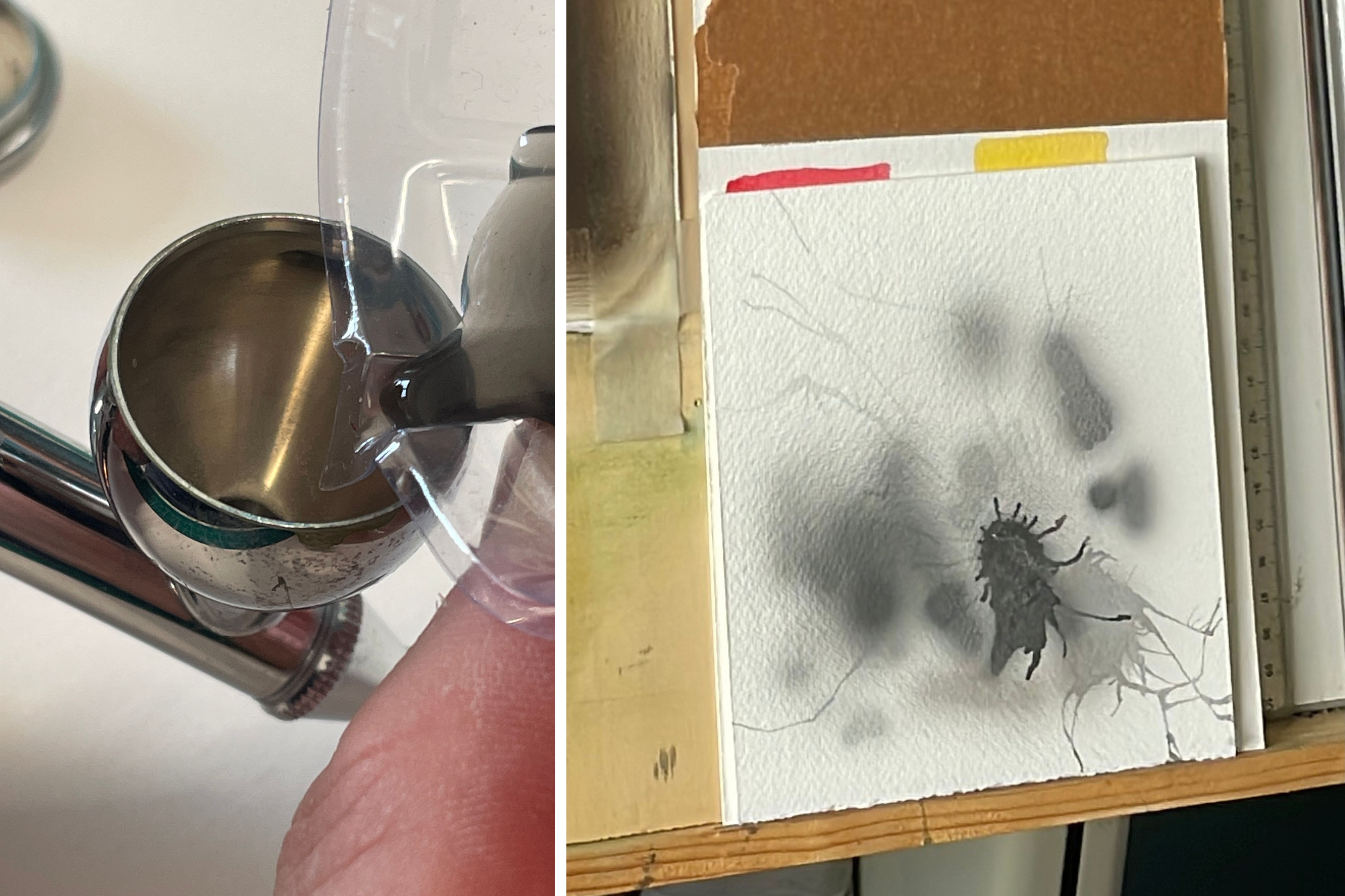
Voor mijn meest recente werken heb ik gebruikt DANIEL SMITH Aquarelsticks Omdat ze rijk zijn aan pigment en gemakkelijk te verdunnen, zijn ze uitermate geschikt voor deze methode.
Een essentieel onderdeel van deze techniek is maskeren.
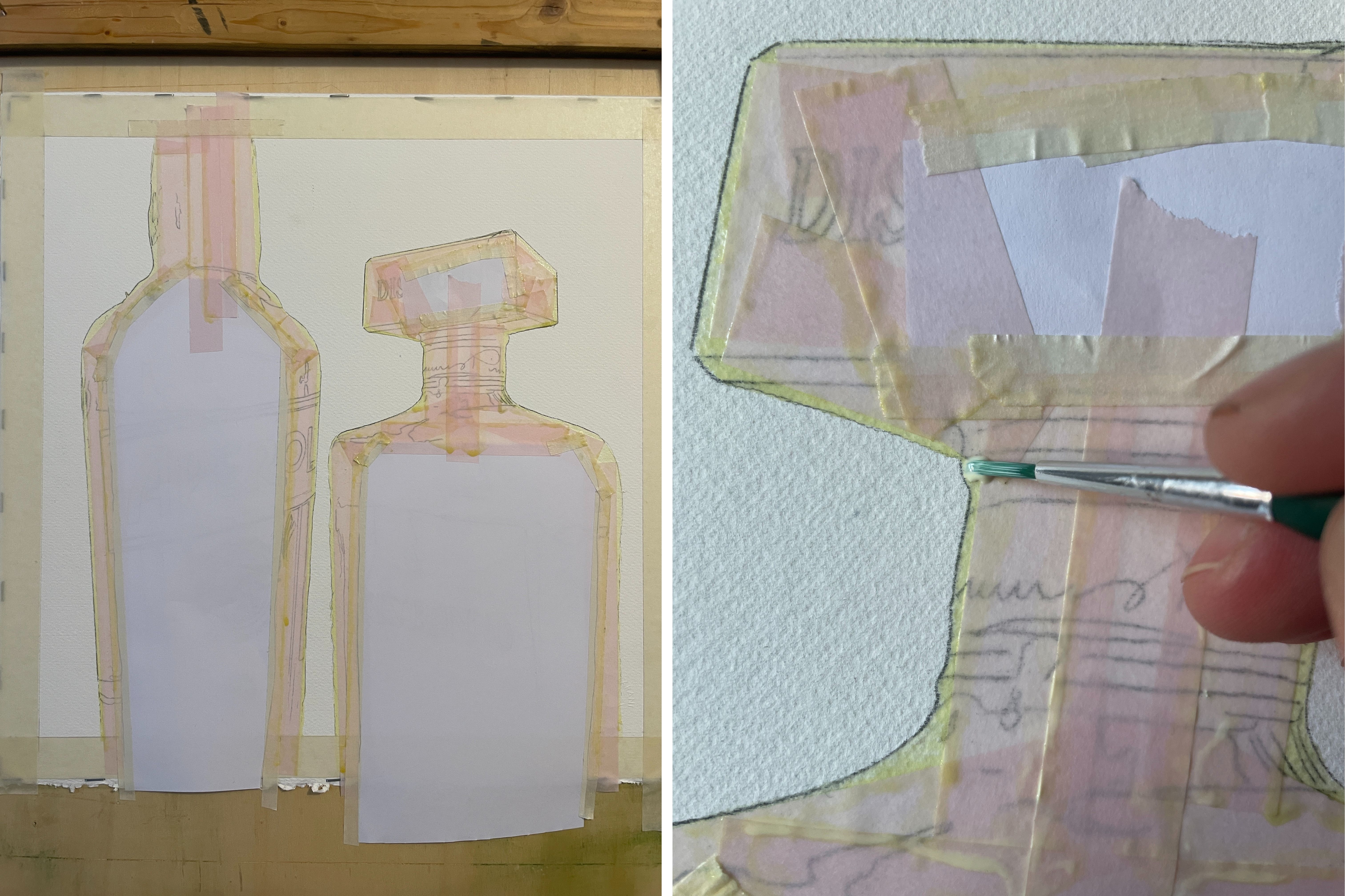
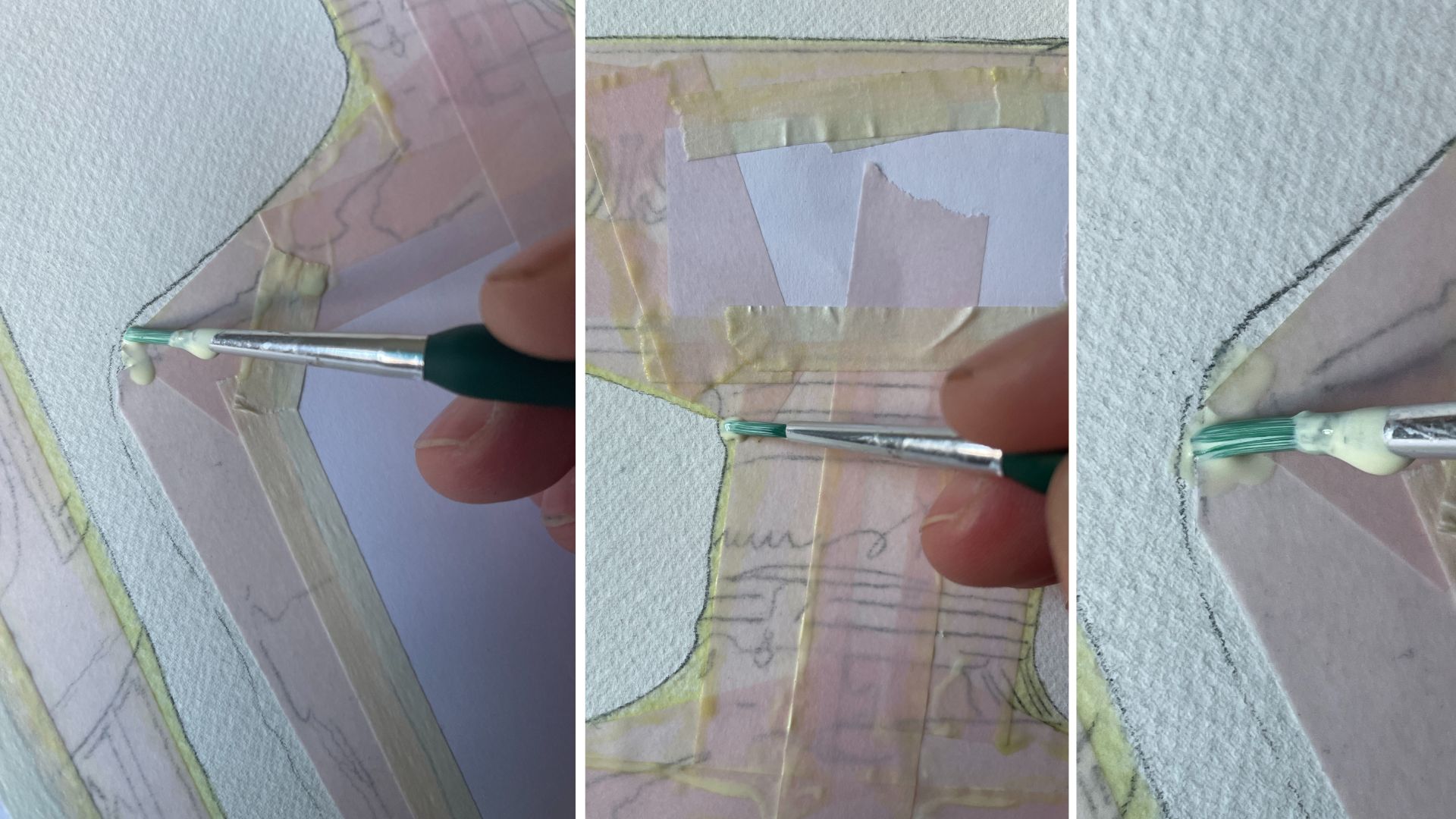
Dit wordt gedaan met behulp van afplaktape met lage kleefkracht en Maskeervloeistof om eventuele kieren zorgvuldig af te dichten.
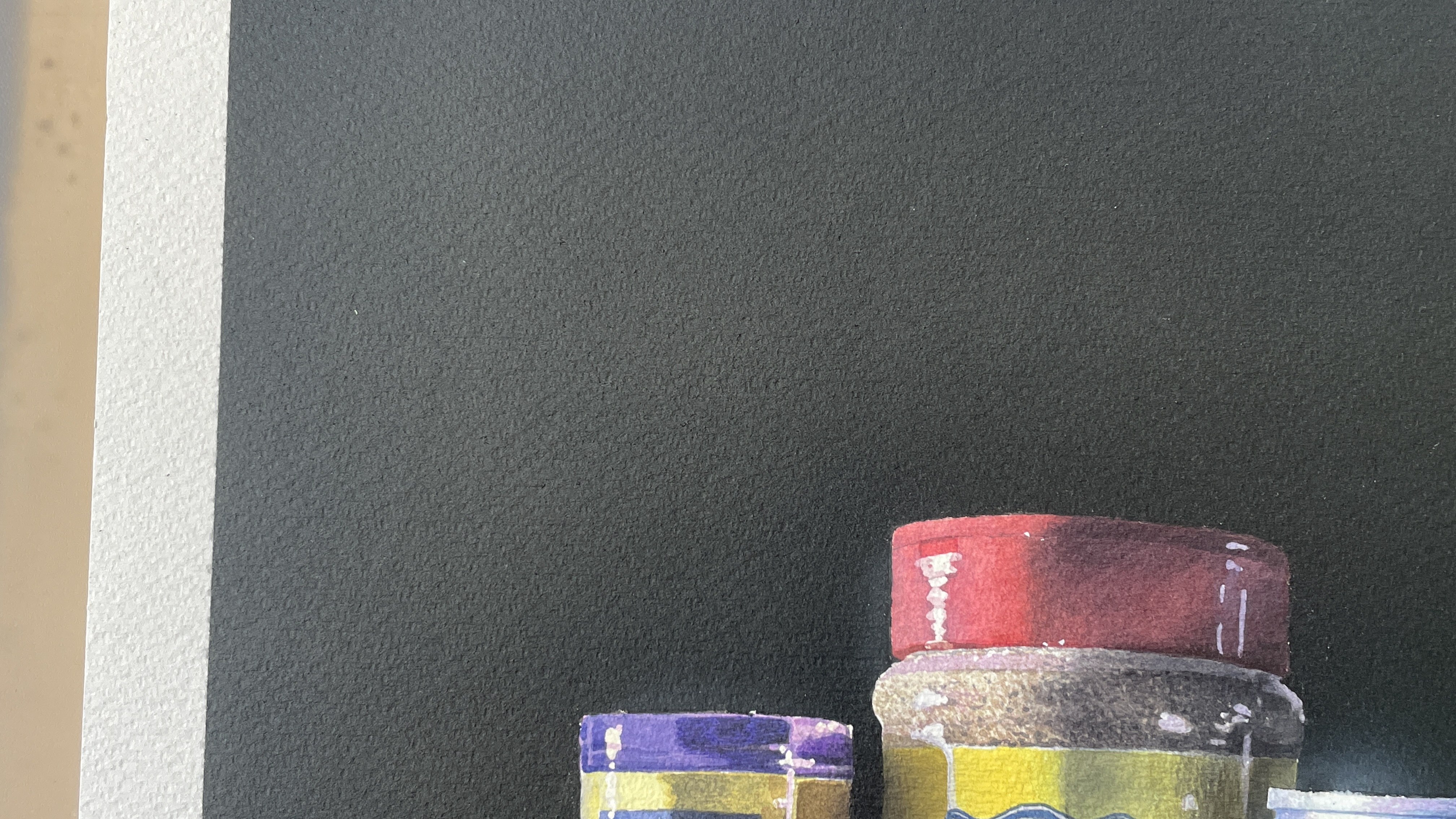
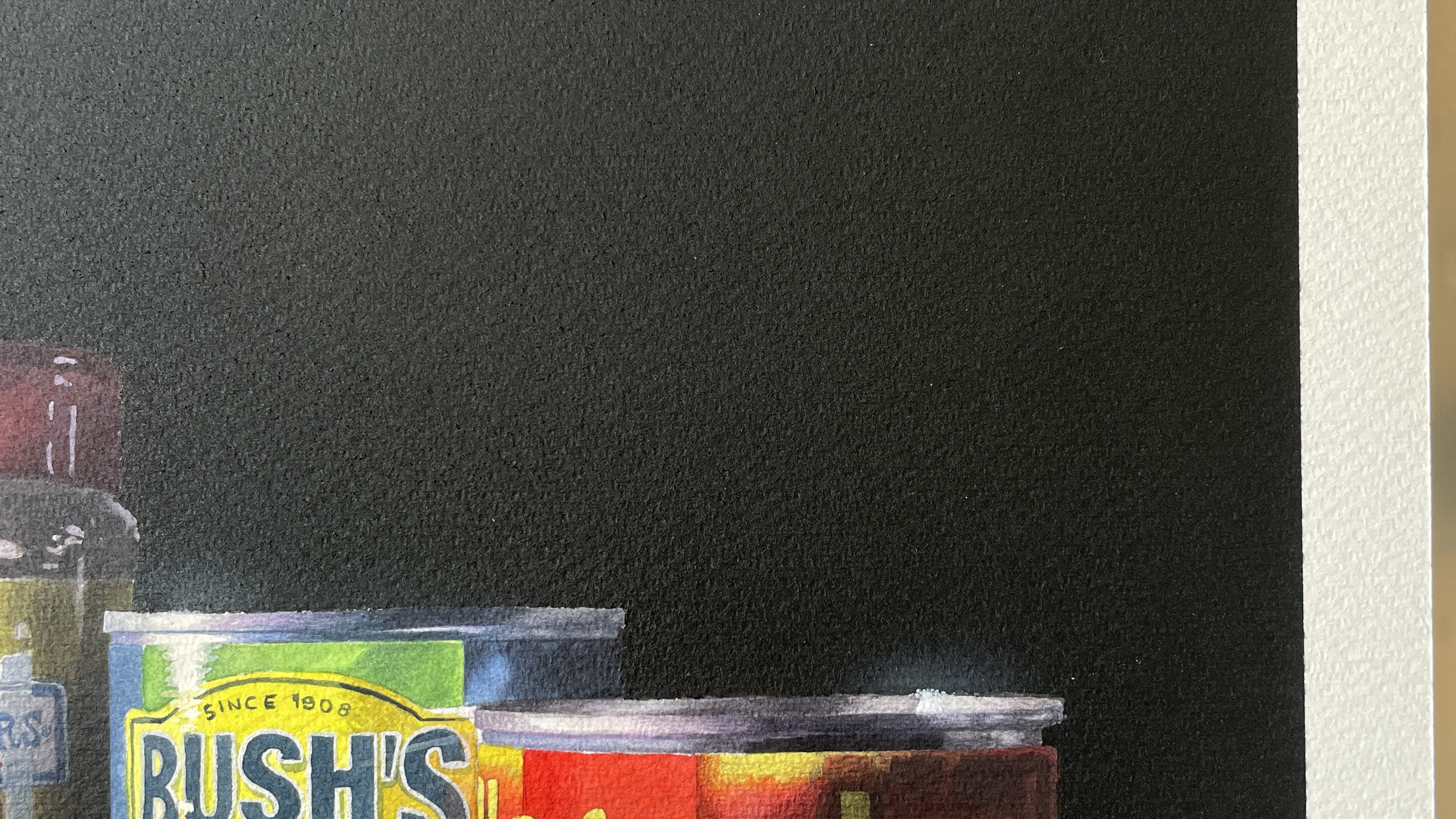
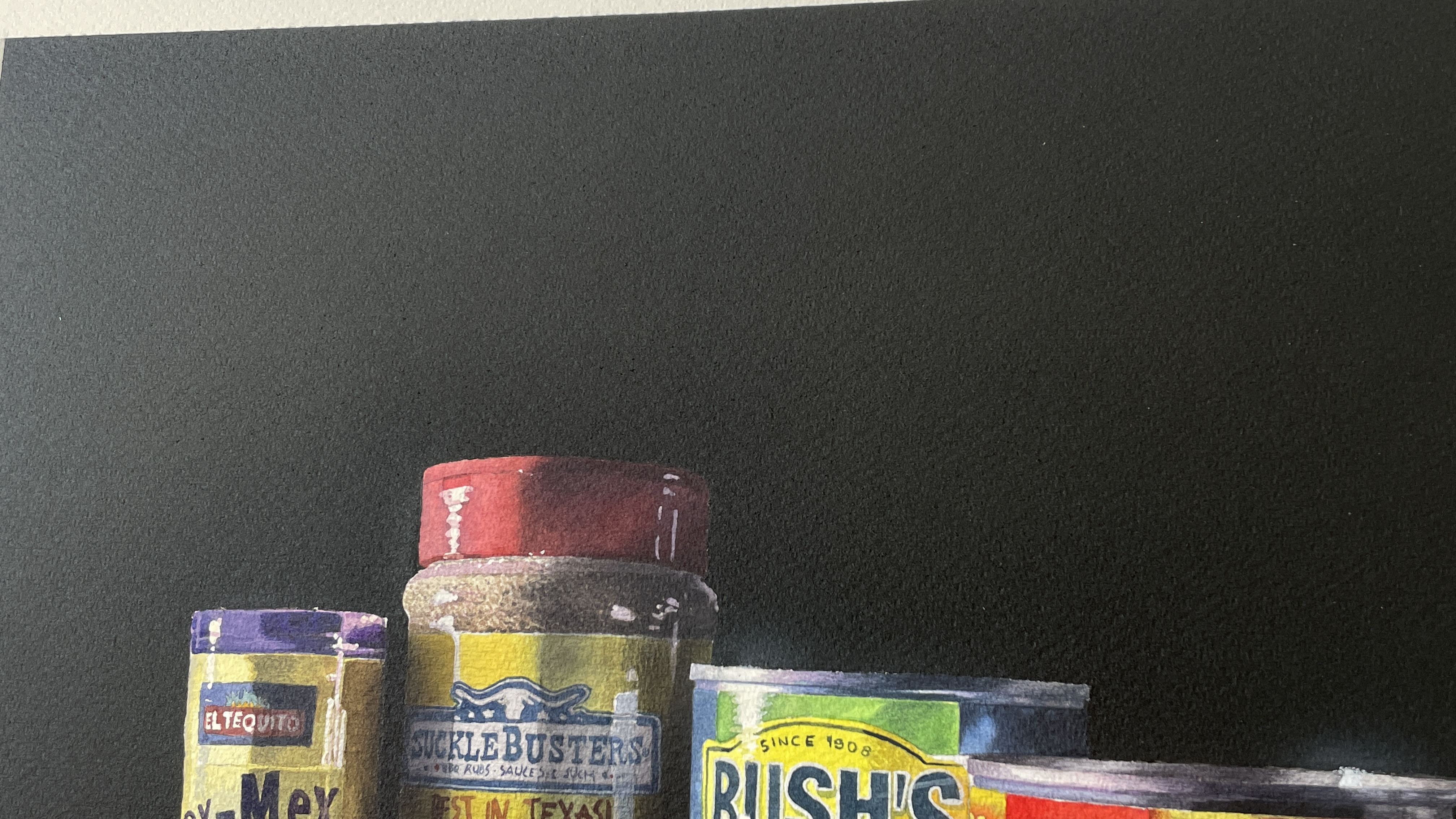
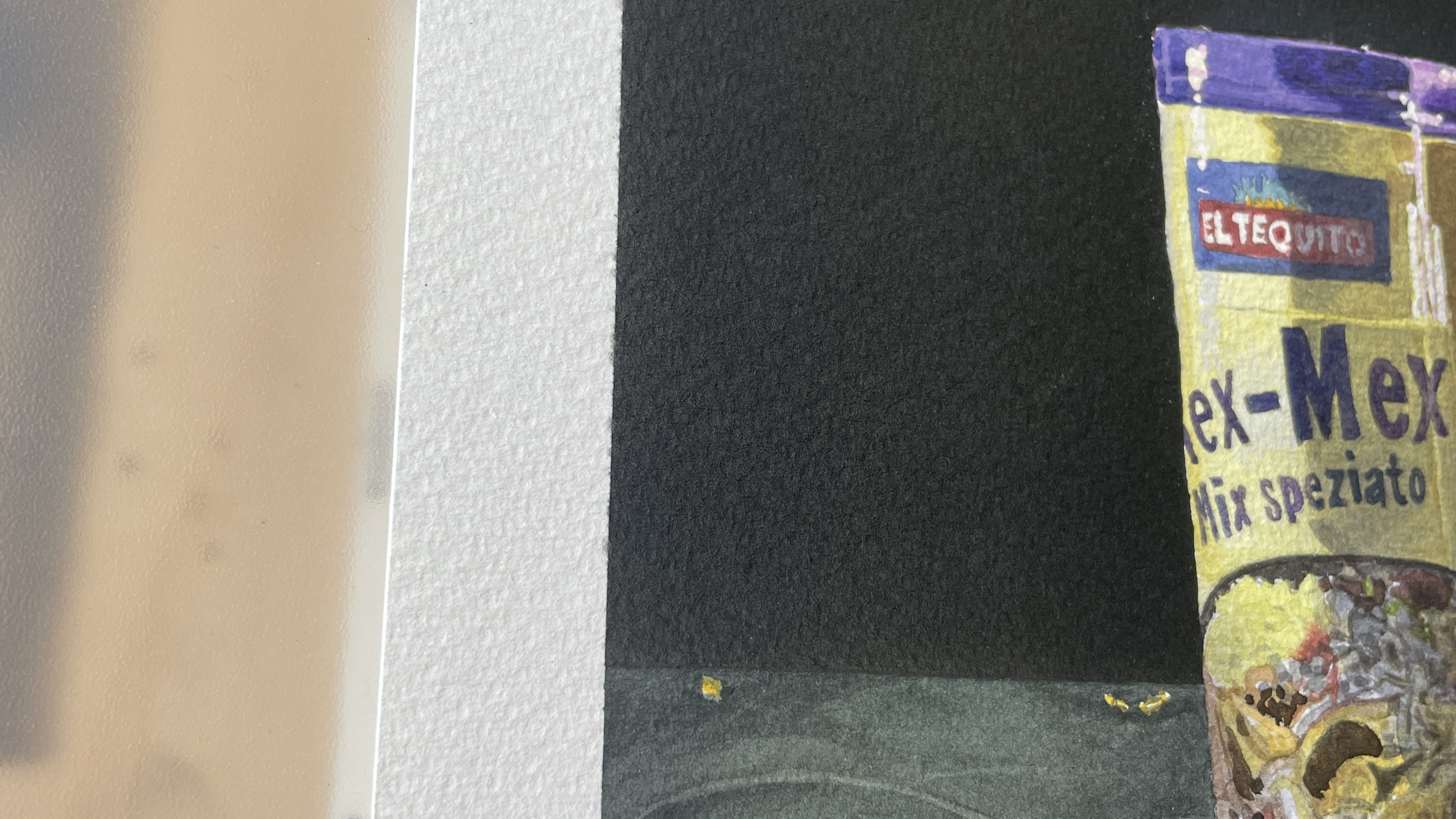
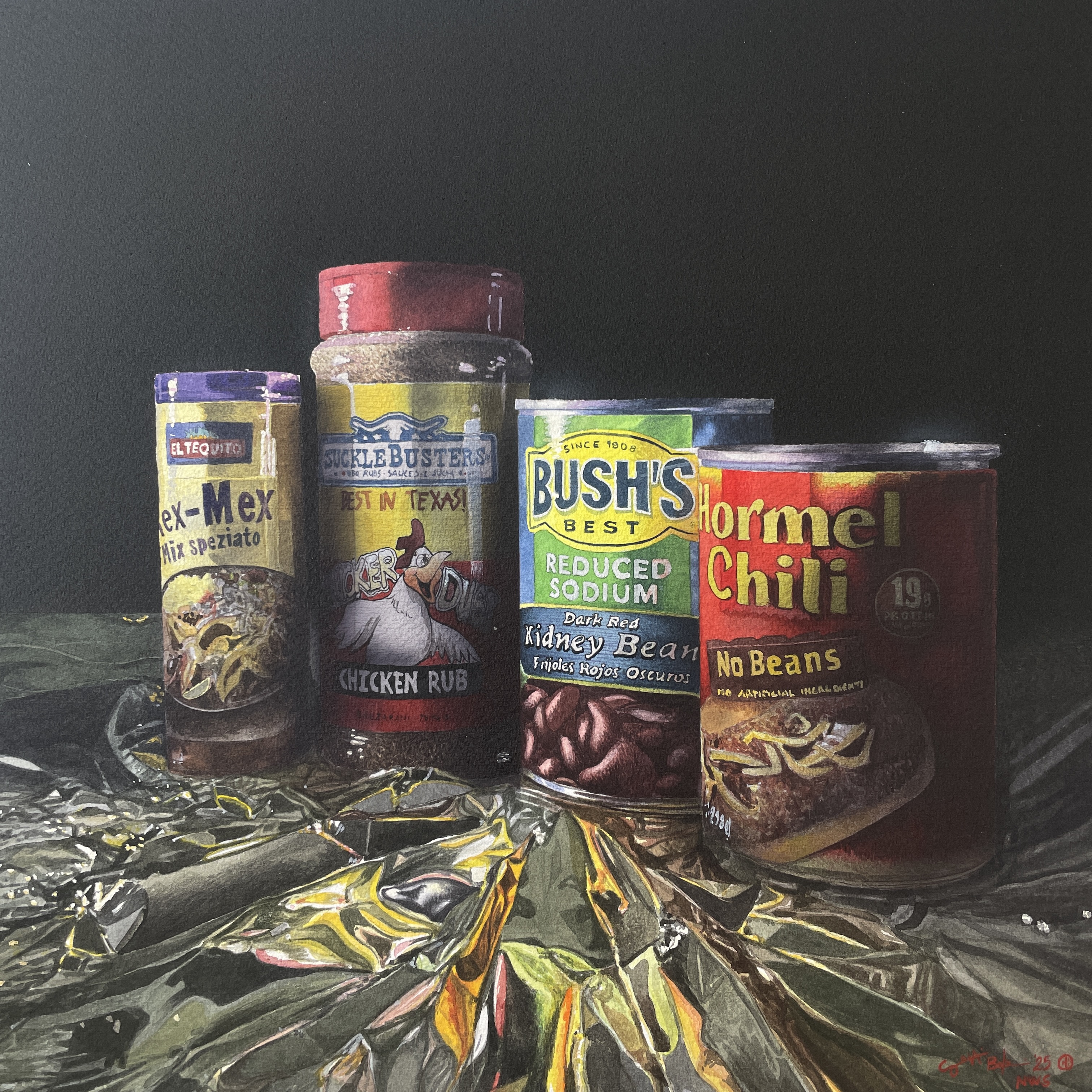
Het idee om een airbrush te gebruiken kwam voort uit mijn wens om een perfecte, homogene achtergrond te creëren zonder één zichtbare penseelstreek, aangezien ik me verdiep in hyperrealistische aquareltechnieken met hoge resolutie.
Voordat ik een perfect egaal zwart bereikte, heb ik verschillende grisaille-lagen aangebracht met kleuren die overeenkwamen met mijn referentieafbeelding.
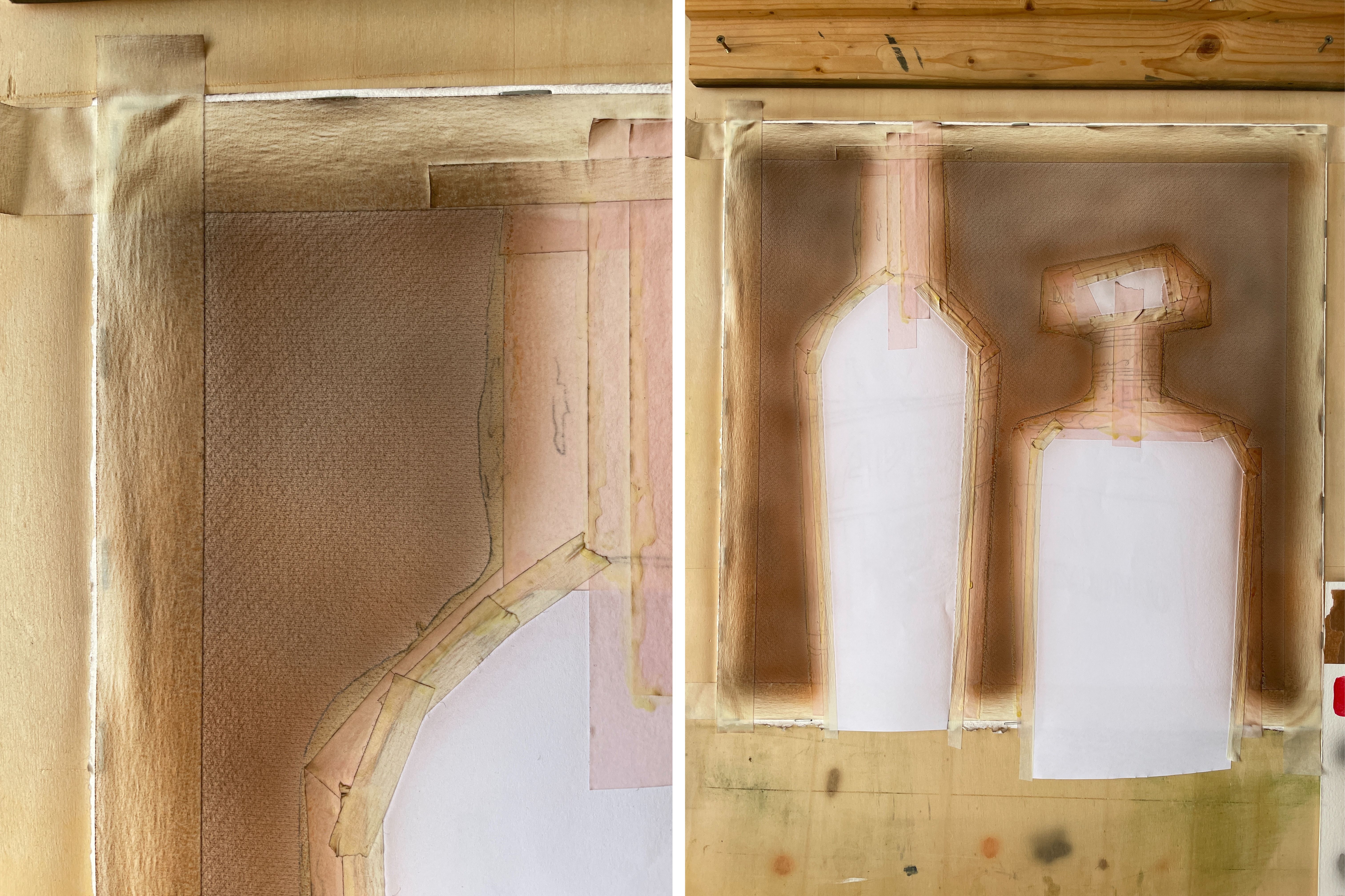
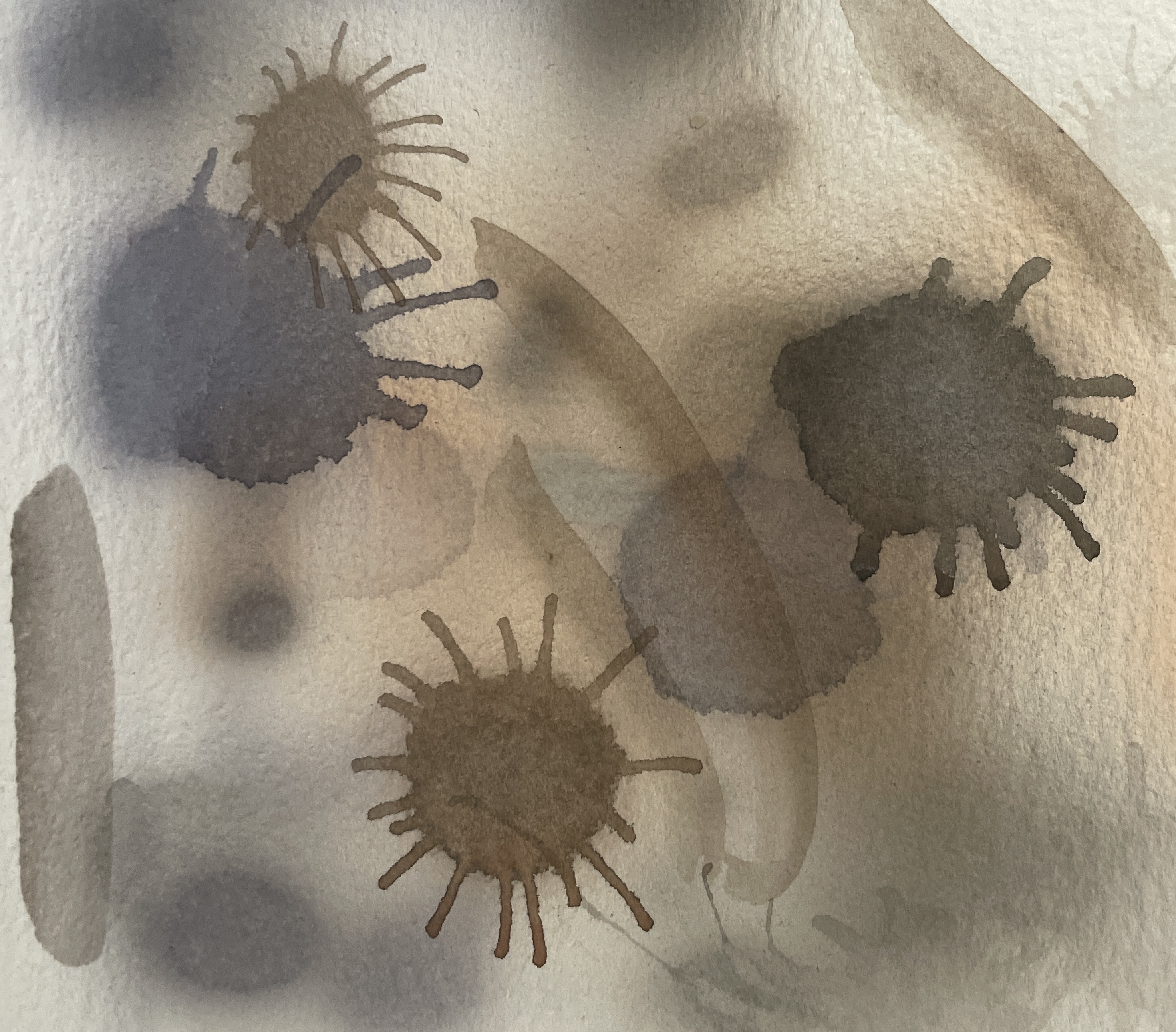
Na diverse stappen, waarbij de luchtdruk en verdunning werden gecontroleerd, is het resultaat ronduit verbluffend en overtreft het mijn verwachtingen.
Over Giovanni Balzarani

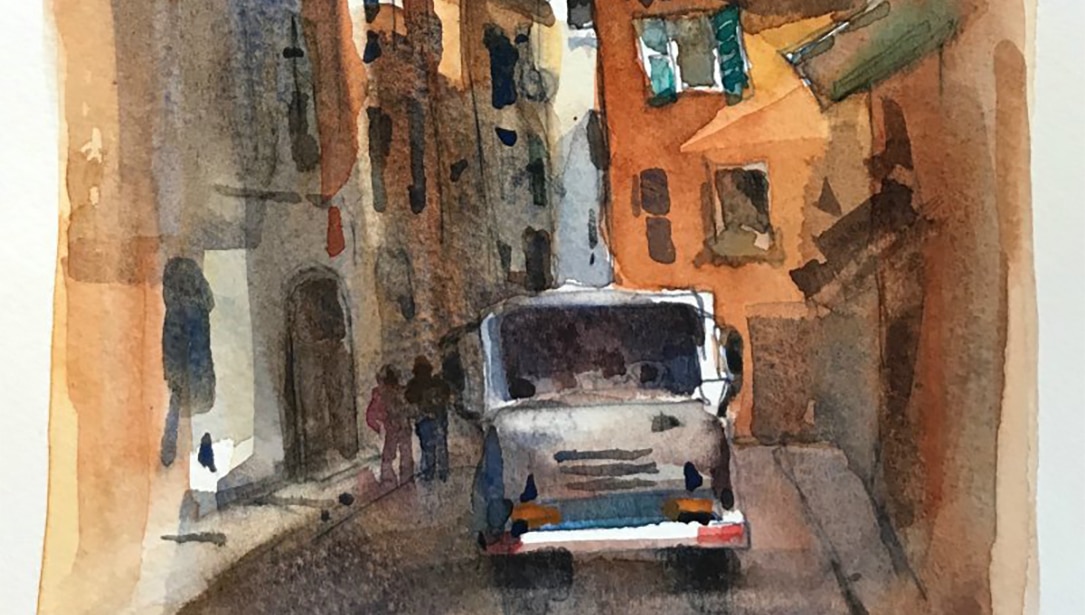
Giovanni Balzarani is een Italiaanse schilder die de School of Painting aan de Academie voor Schone Kunsten in Rome volgde. Hij ontdekte de aquarelwereld toen hij negen jaar oud was, daarna verkende hij tijdens zijn studie andere schildertechnieken. Hij sloot zich aan bij de internationale aquarelwereld en ontving verschillende prijzen van organisaties, waaronder de Hong Kong International Watercolor Biennale, het Budapest International Watercolor Festival en Fabriano in Watercolor. Zijn werk is voornamelijk gericht op stillevens in de hyperrealistische stijl, beïnvloed door popart- en fotorealistische kunstenaars zoals Andy Warhol, Ralph Goings en Chuck Close.


 EN
EN  JA
JA  FR
FR  IT
IT  DE
DE  ES
ES  NL
NL  UK
UK  VI
VI  ZH
ZH  ZH_TW
ZH_TW