









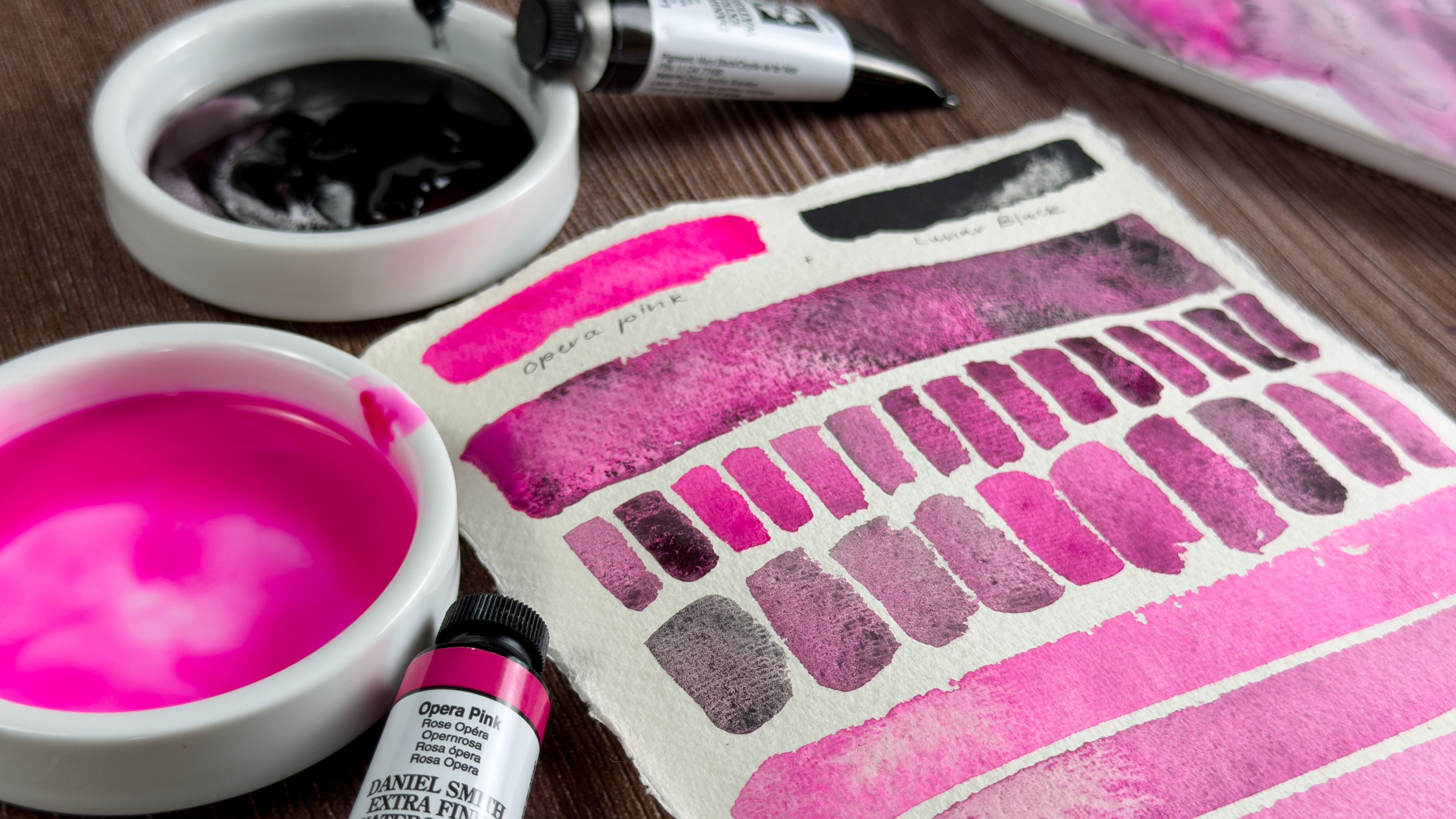

In this installment of our Recette de mélange d'aquarelle series, we explore the unexpected harmony between two bold opposites: Opera Pink and Lunar Black. When combined, these pigments create a deep, granulating violet-black that shifts beautifully between glowing undertones and textured shadows. It’s a mix full of drama and nuance—equally suited for expressive florals, moody atmospheres, and richly layered studies on both cold-press and hot-press papers.
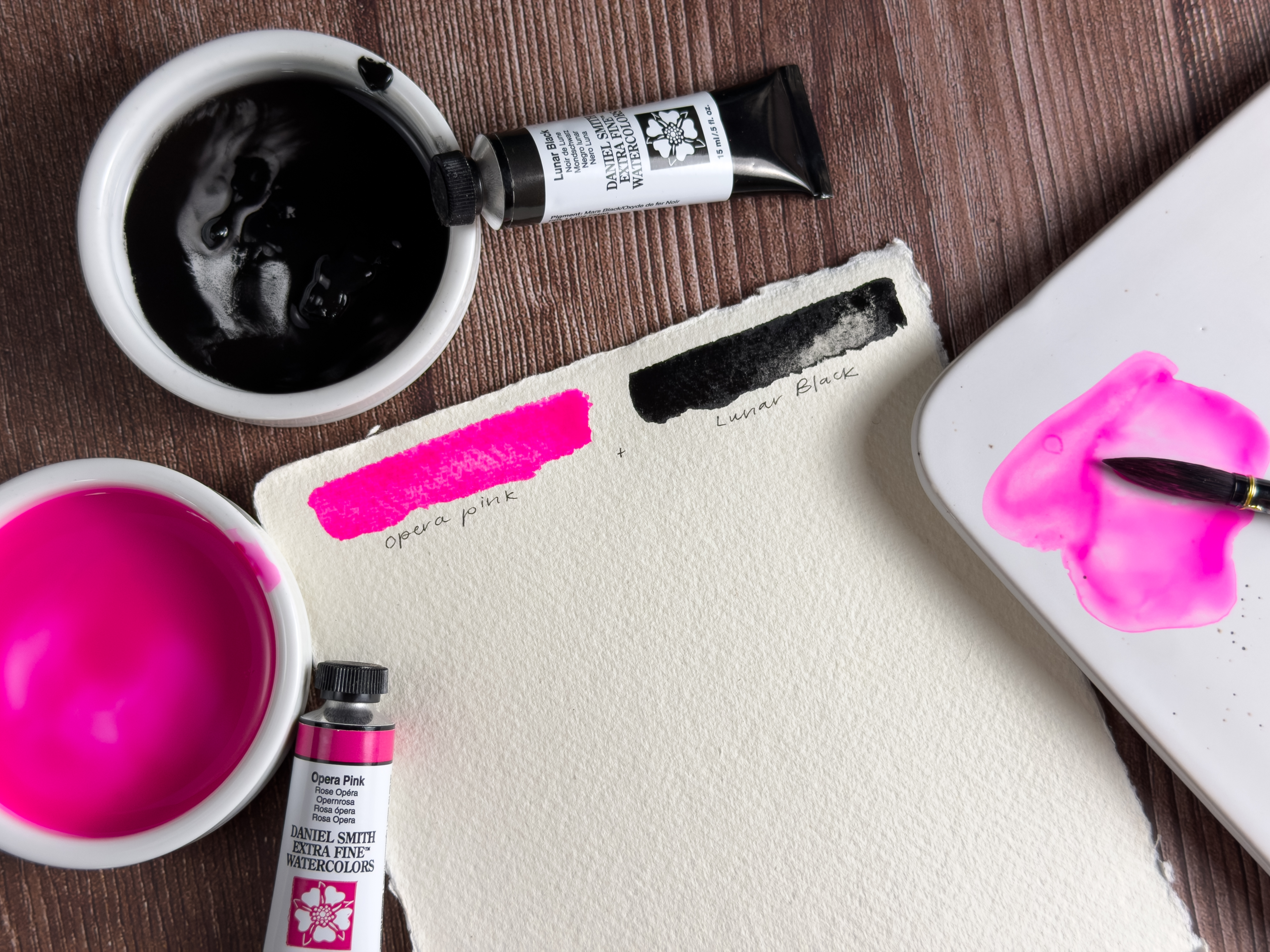
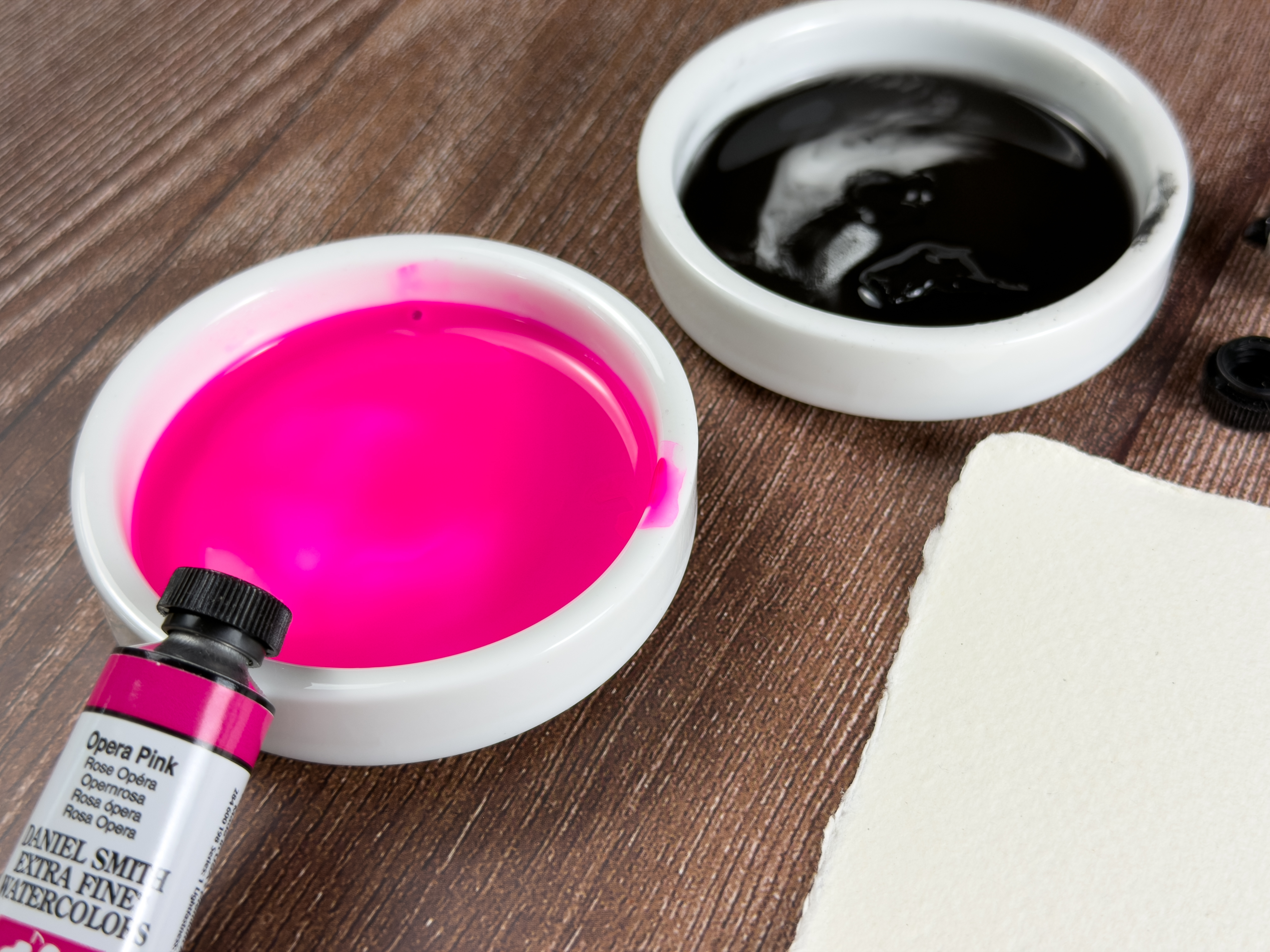
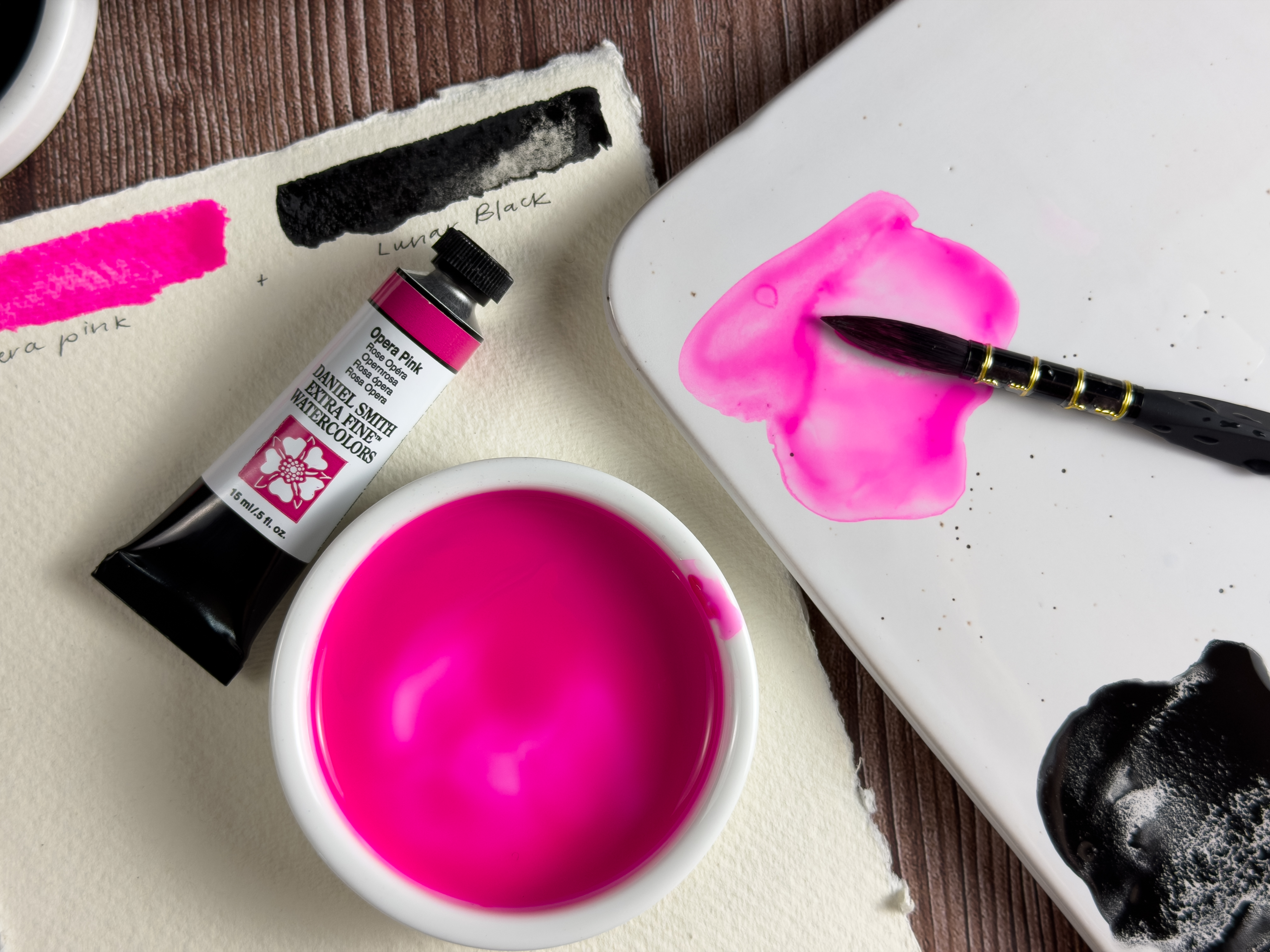
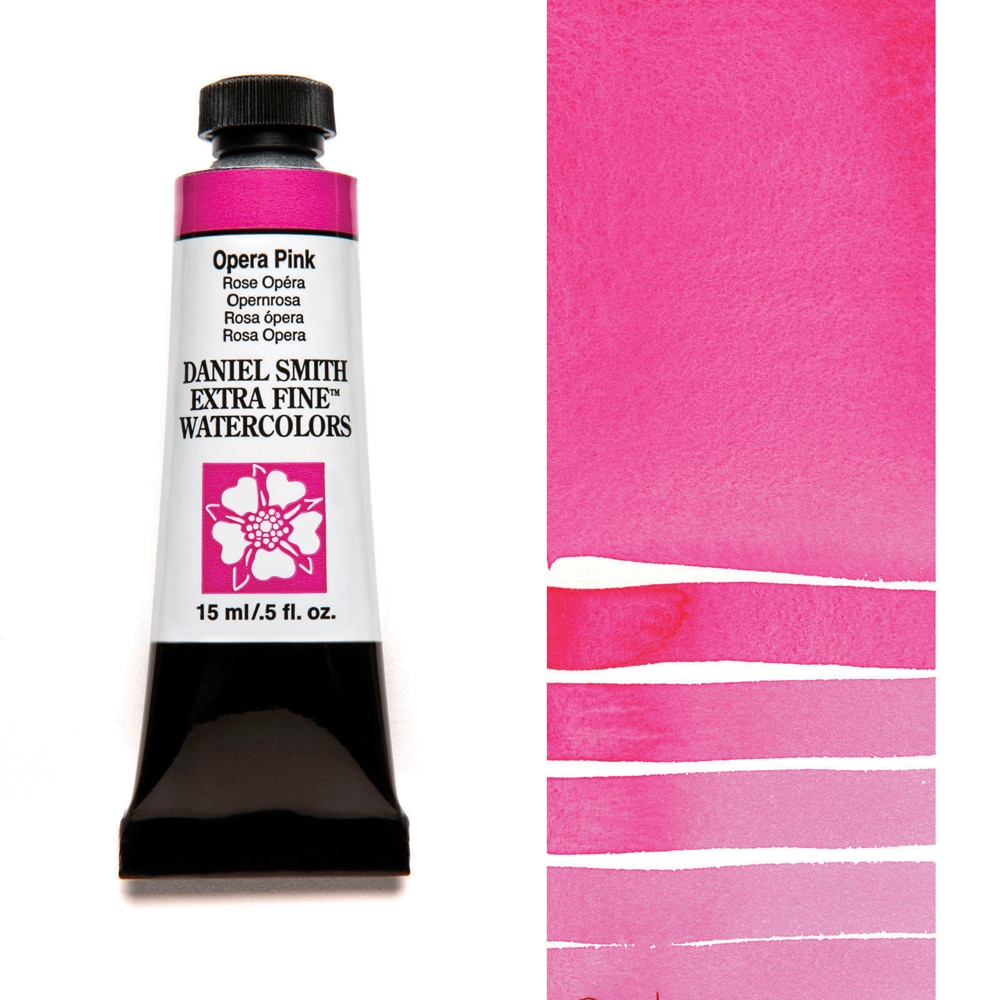
Pigment: PR 122 | Series: 1
Lightfastness: IV – Fugitive
Transparence : Transparent
Coloration : 1-Non colorant
Granulation : Granulation
- Opéra Rose is described as “the most vivid of all pinks” — a primary magenta with a hint of fluorescent-pink granulation that gives it an almost glowing vibe.
- As a transparent, granulating watercolor, Opera Pink can add a luminous touch, ideal for florals, blossoms, bright highlights, or any part of a painting where you want that exciting ‘pop’ of color.
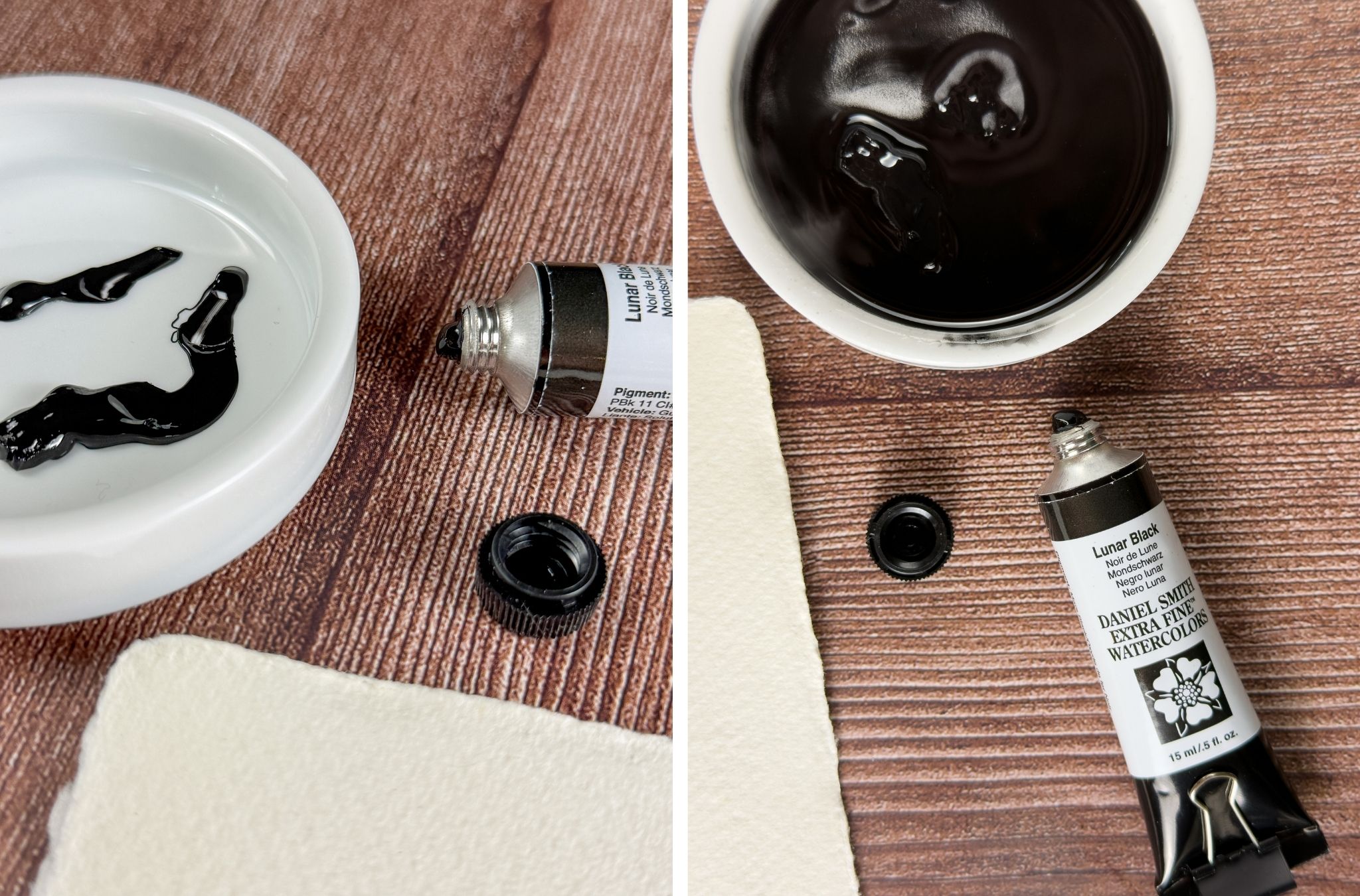
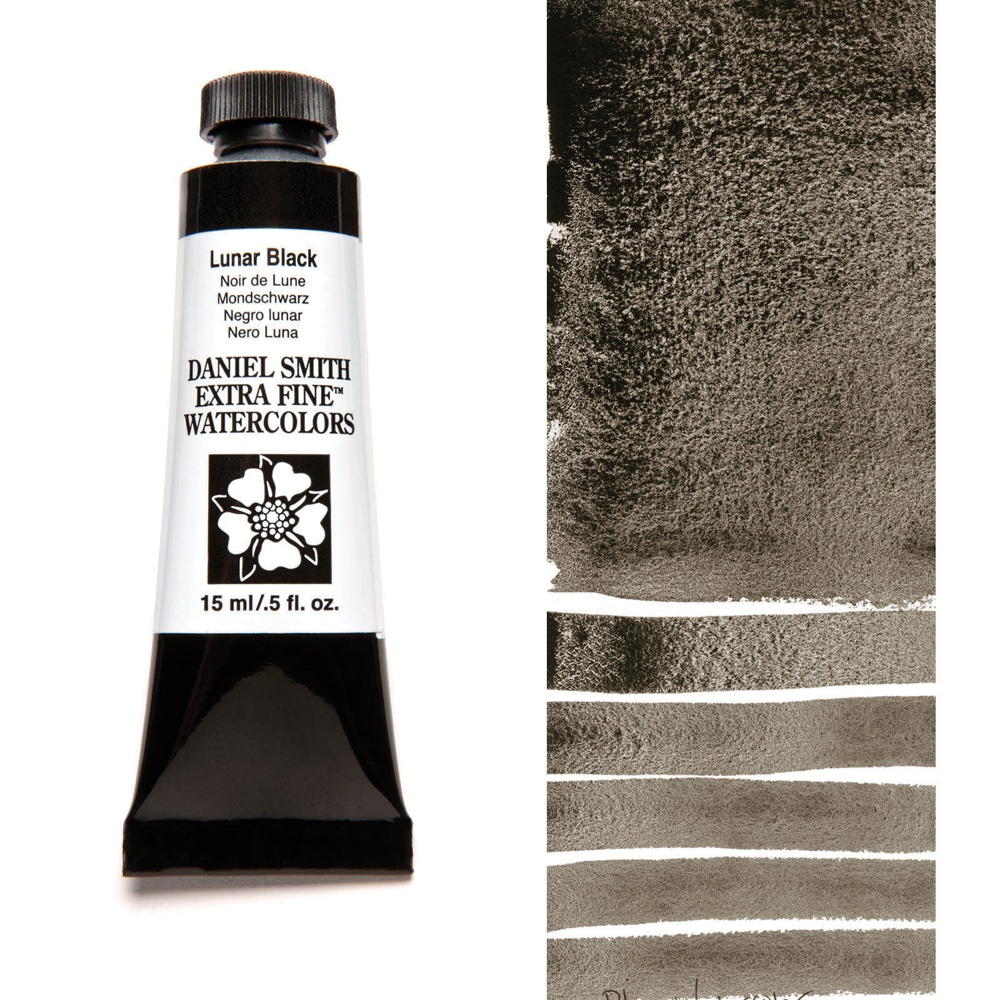
Pigment: PBk 11 | Series: 1
Résistance à la lumière : I – Excellente
Transparence : Transparent
Coloration : 2-Faible coloration
Granulation : Granulation
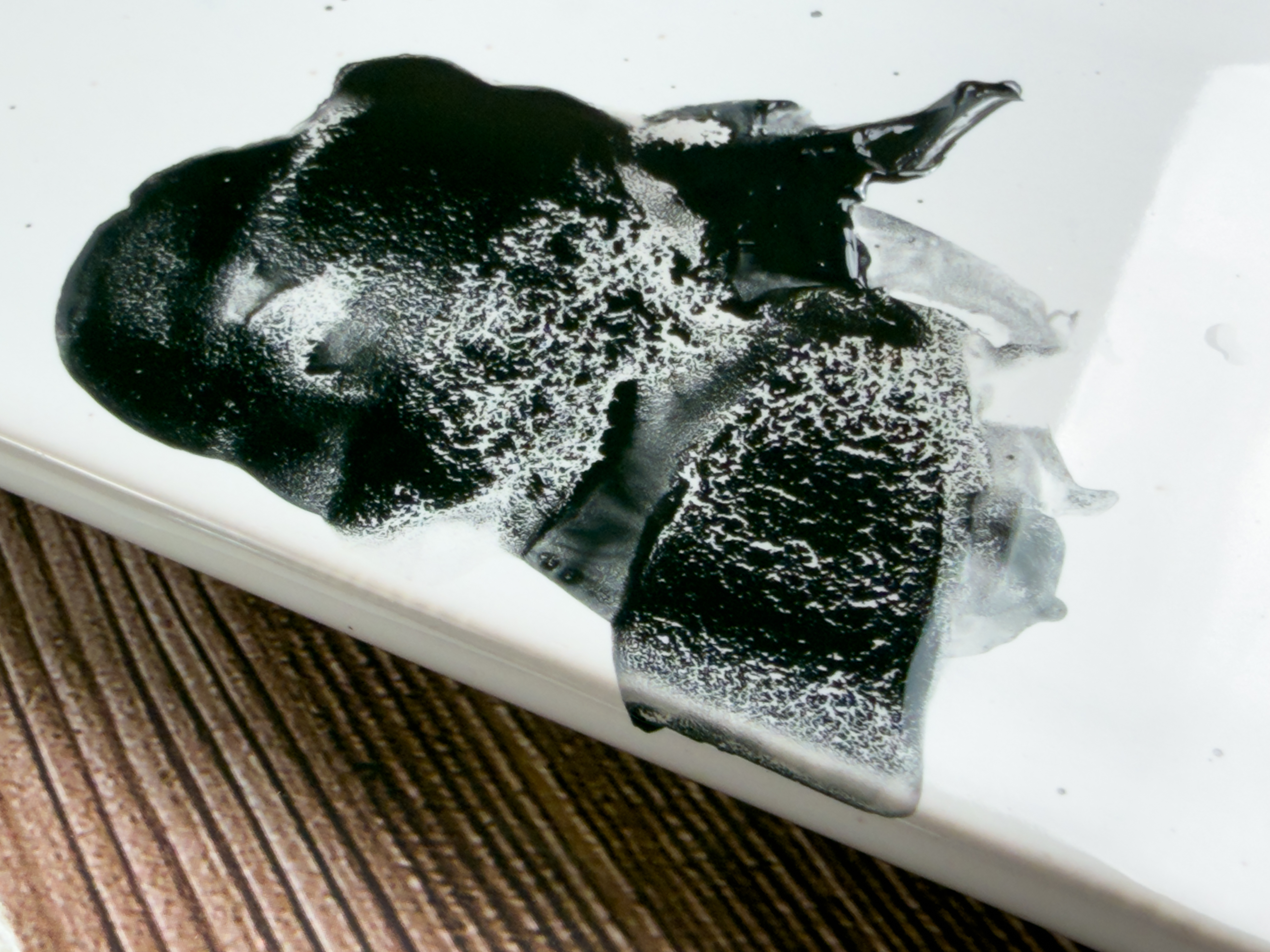
- Noir lunaire is a transparent, neutral black created with a unique granulating pigment whose particles behave like “magnetic shavings” — attracting and repelling each other to create a mottled, marbled texture on paper. Very much resembling the surface of the moon, it’s truly out of this world!
- When used as a wash, Lunar Black can suggest a “moonscape” or stone-like texture. It also offers a broad value range, so you can get everything from soft grey wash to deep near-black.
- It’s especially useful as a mixer — adding granulation, depth, and subtle texture to other colors. The possibilities are endless!
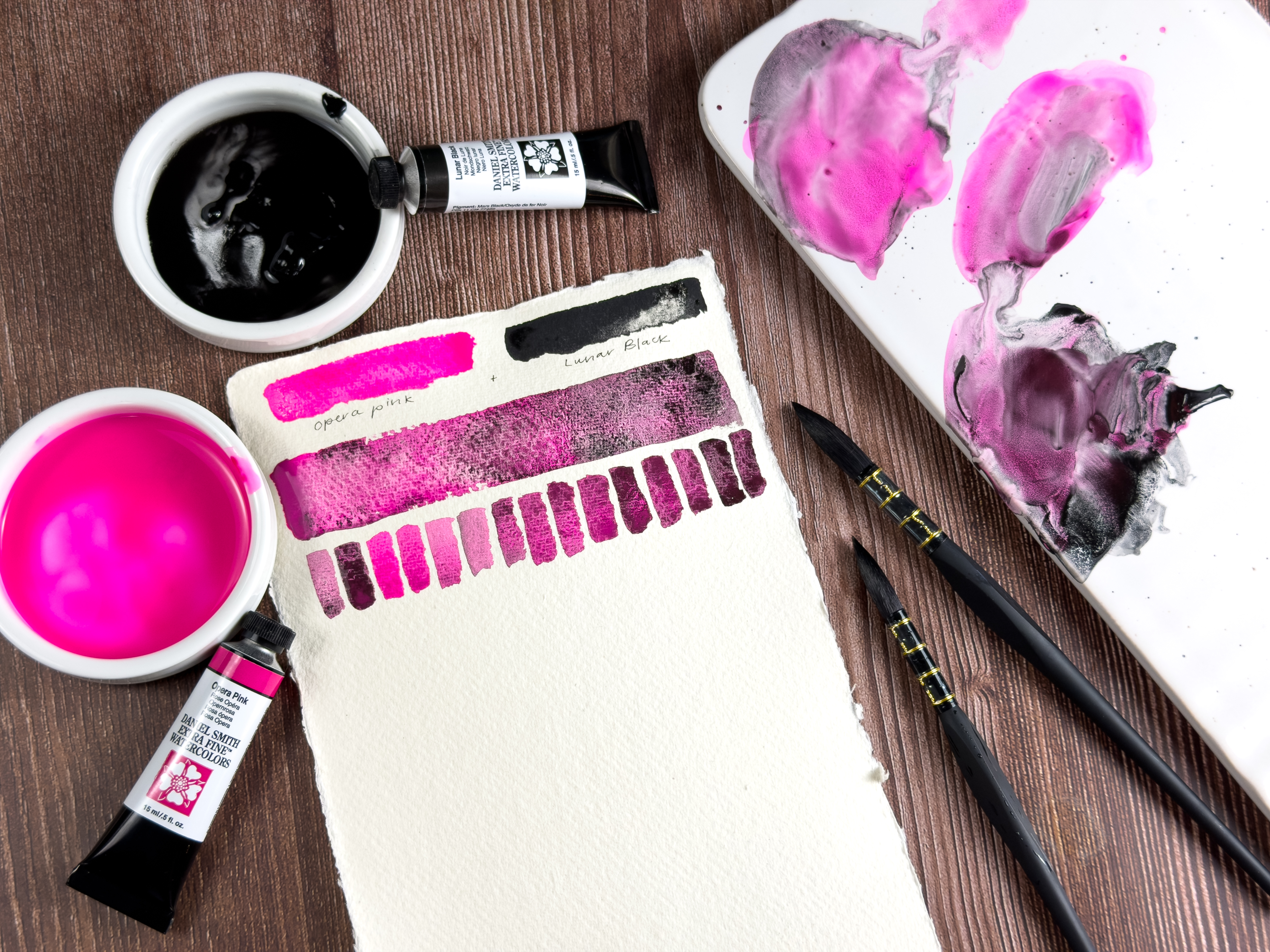
Once you’ve got Opera Pink and Lunar Black out of the tube and into your palette, here are some mixing recipes and experiments — and what to watch for depending on paper type.
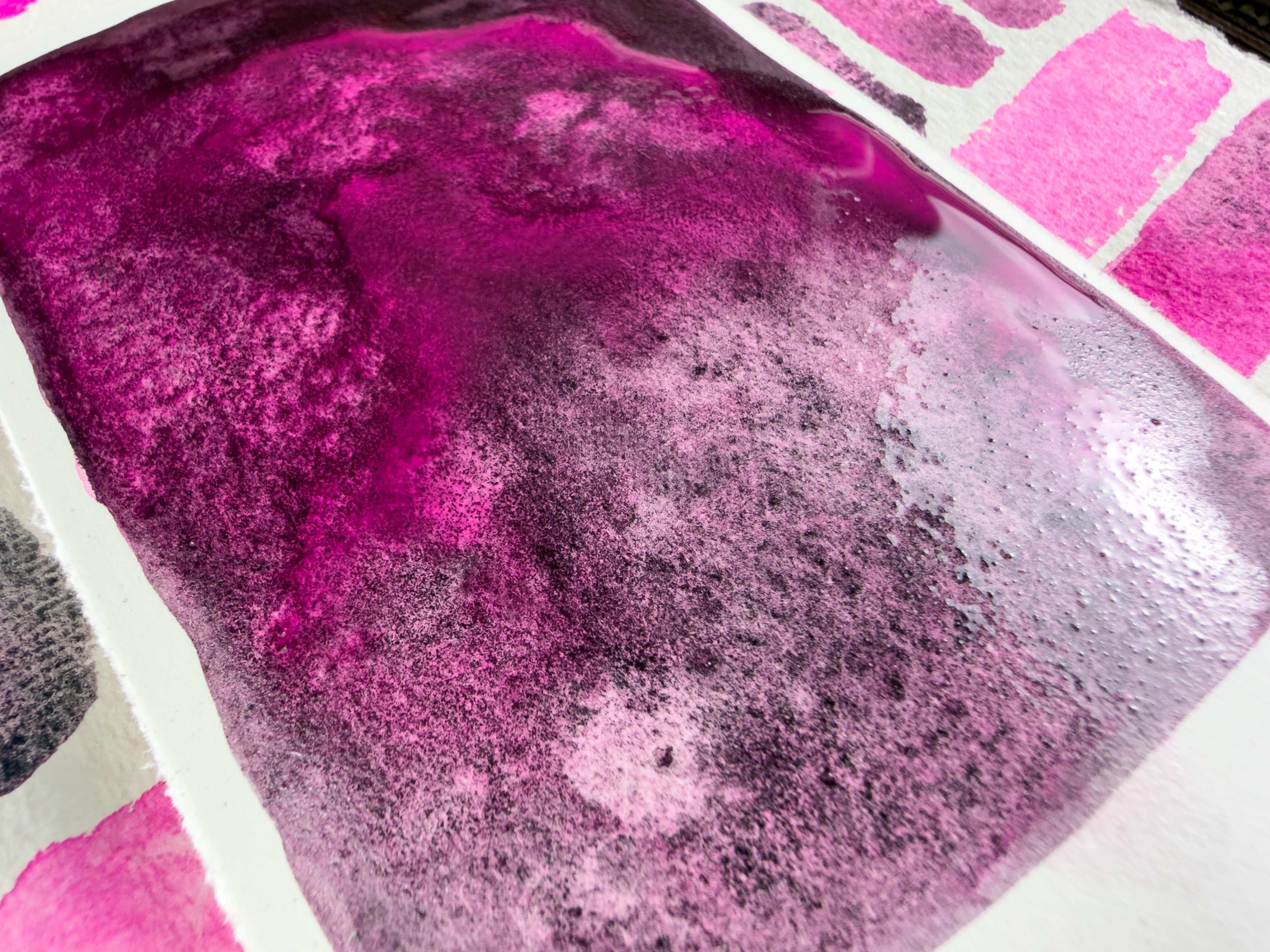
| Mix Ratio & Approach | What to Expect / How It Behaves |
|---|---|
| Heavy Opera Pink (≈ 3–4 parts Opera Pink + 1 part Lunar Black) | A rich, moody magenta-black — muted pink with granulated shadows, good for dramatic florals or moody florals/objects with a pink-violet cast. |
| Balanced (1:1 Opera Pink : Lunar Black) | Soft muted plum / dusty rose–grey tone. Useful for subtle shadows on warm pink subjects (flowers, petals, fabrics) — less intense than pure pink but with tonal depth. |
| Light wash (1 part Opera Pink + small drop Lunar Black + lots of water) | A dusty, ethereal pink-gray wash — atmospheric background tone, soft shadows, or underpainting for flowers / objects where you want a subdued but interesting hue. |
| Glaze over dry Opera Pink — first lay down Opera Pink, let dry, then glaze a thin Lunar Black wash over a portion | Creates a luminous depth: the pink glows beneath a veil of soft gray/black granulation — interesting for petals transitioning from light to shadow. |
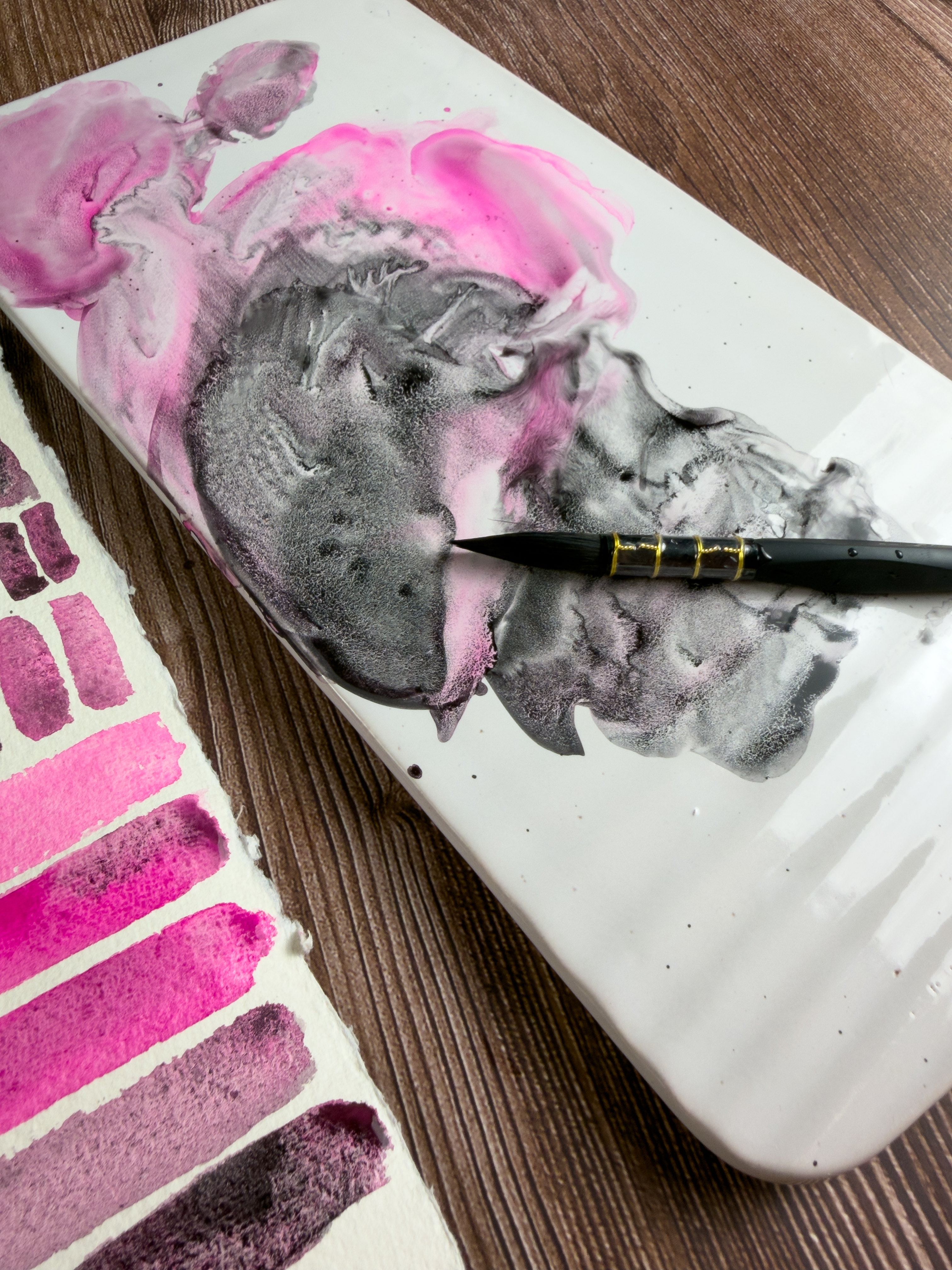
| Wet-into-wet: drop Lunar Black into wet Opera Pink | Granulation will bloom and separate — you get a marbled, textured blend with spots, edges, and organic variation. Great for expressive, loose styles, abstract florals, or textured backgrounds. |
Tips for experimentation:
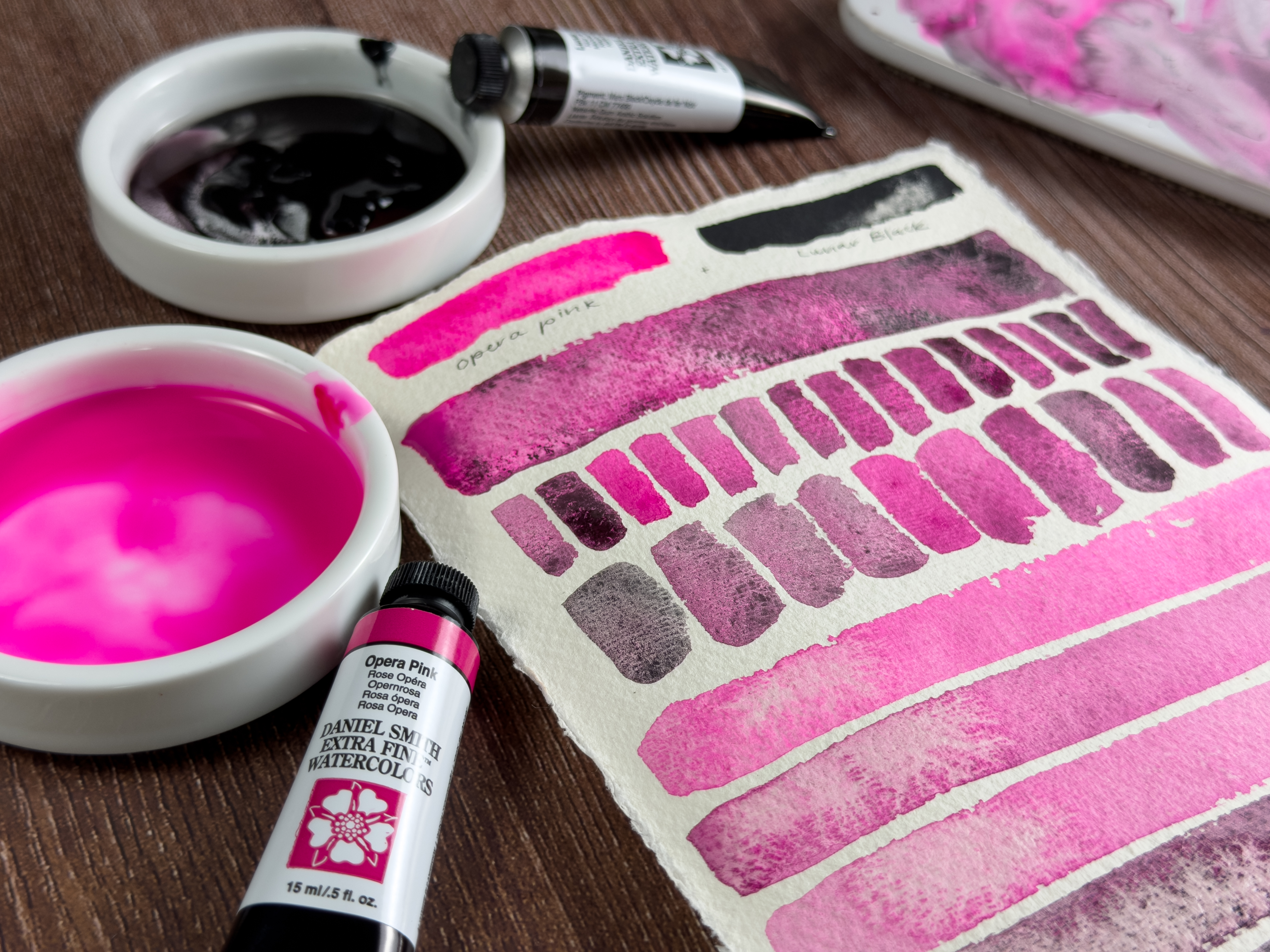
- Try the same mix ratio on different paper types side by side to compare how texture and wash behave. You will be surprised how differently the granulation behaves on cold press vs hot press papers!
- For maximum granulation / “moonscape” effect, use minimal water and a flat brush to lay down Lunar Black on top or beside Opera Pink — or drop wet-on-wet as described.
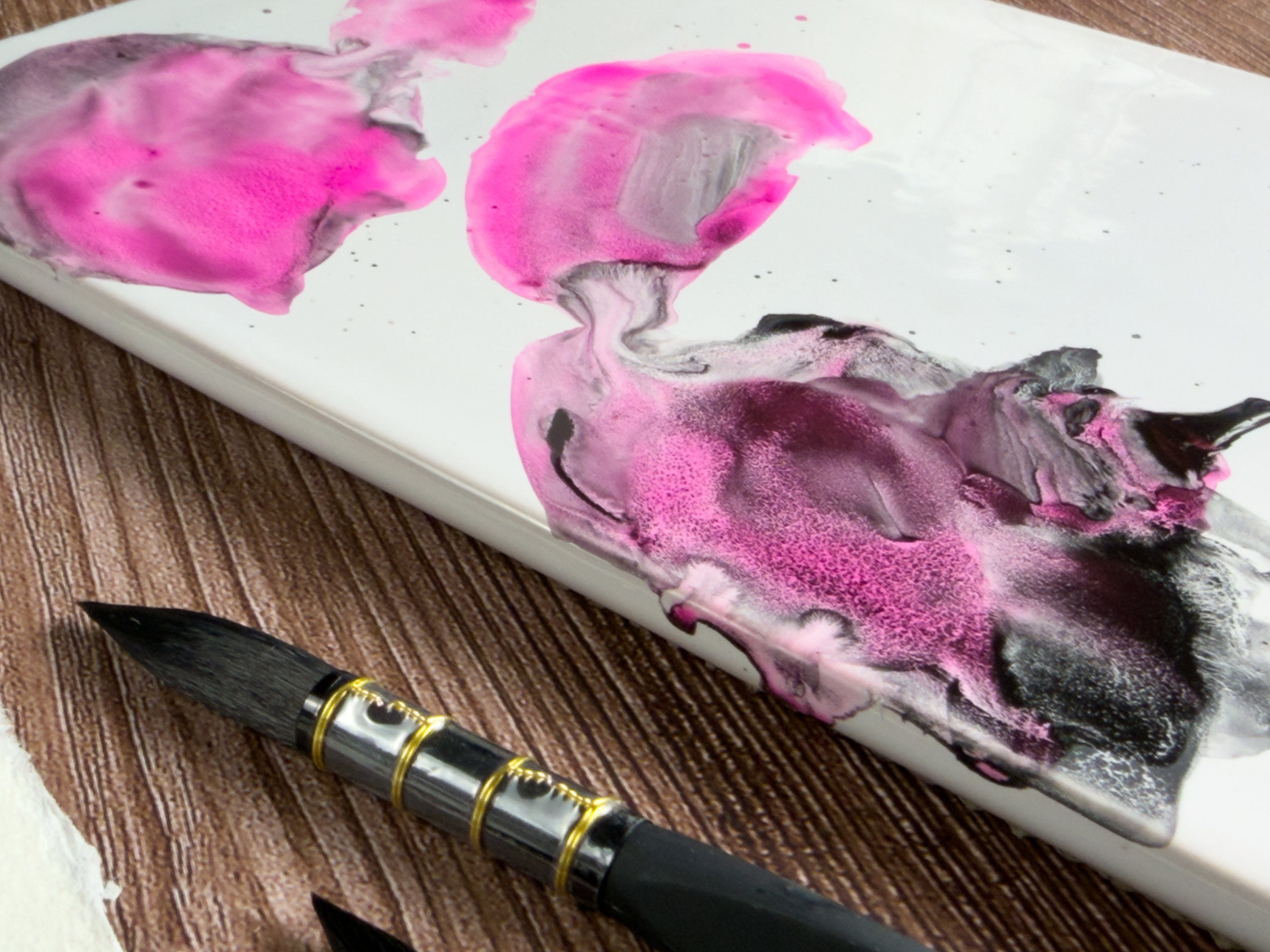
- For smooth, subtle color blends, thin the mix and use hot-press paper.
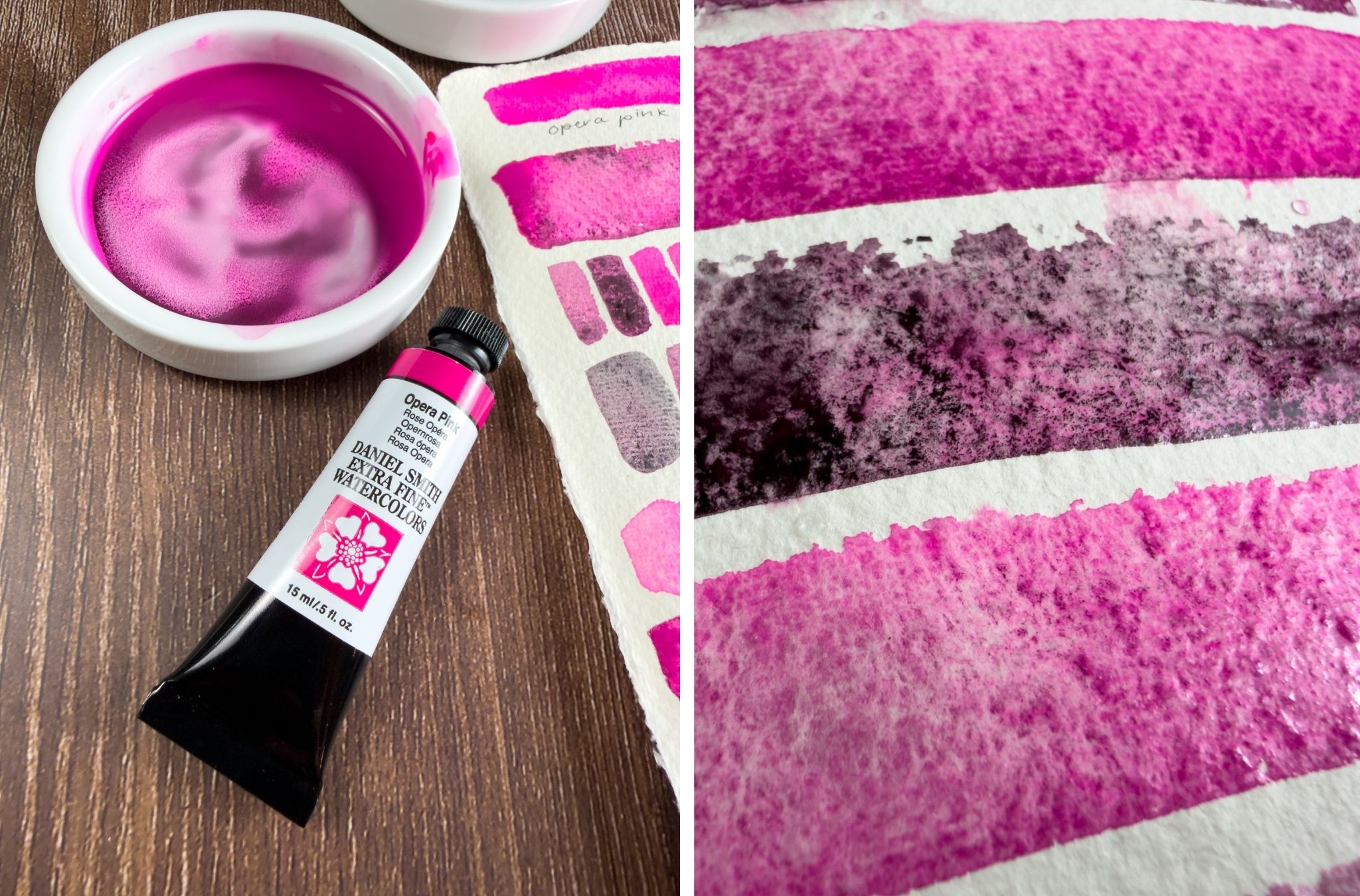
- Muted florals — for shadows in petals or leaves where pure pink would feel too bright.
- Atmospheric washes — backgrounds, skies at dusk, moody abstracts, and underpaintings.
- Dramatic still life or portrait shadows — colored shadows (a soft pink-grey) instead of standard black or grey for a more interesting mood.
- Textured, expressive paintings — when granulation and natural pigment behavior add character and unpredictability.
We hope this unexpected pairing of Opera Pink and Lunar Black inspires you to explore the deep, granulating violet-black mixes you can create with just these two pigments. Try the recipes on different papers, adjust your ratios, and see how the colors shift and settle. When you experiment, share your results with us—we’d love to see what you create. Tag us on social media so we can follow along with your watercolor journey!